WHO report: Vaccines saved 50 million lives in Africa, progress slows
Vaccines have saved more than 50 million lives across Africa, but coverage gaps and aid cuts are now putting those gains at risk.
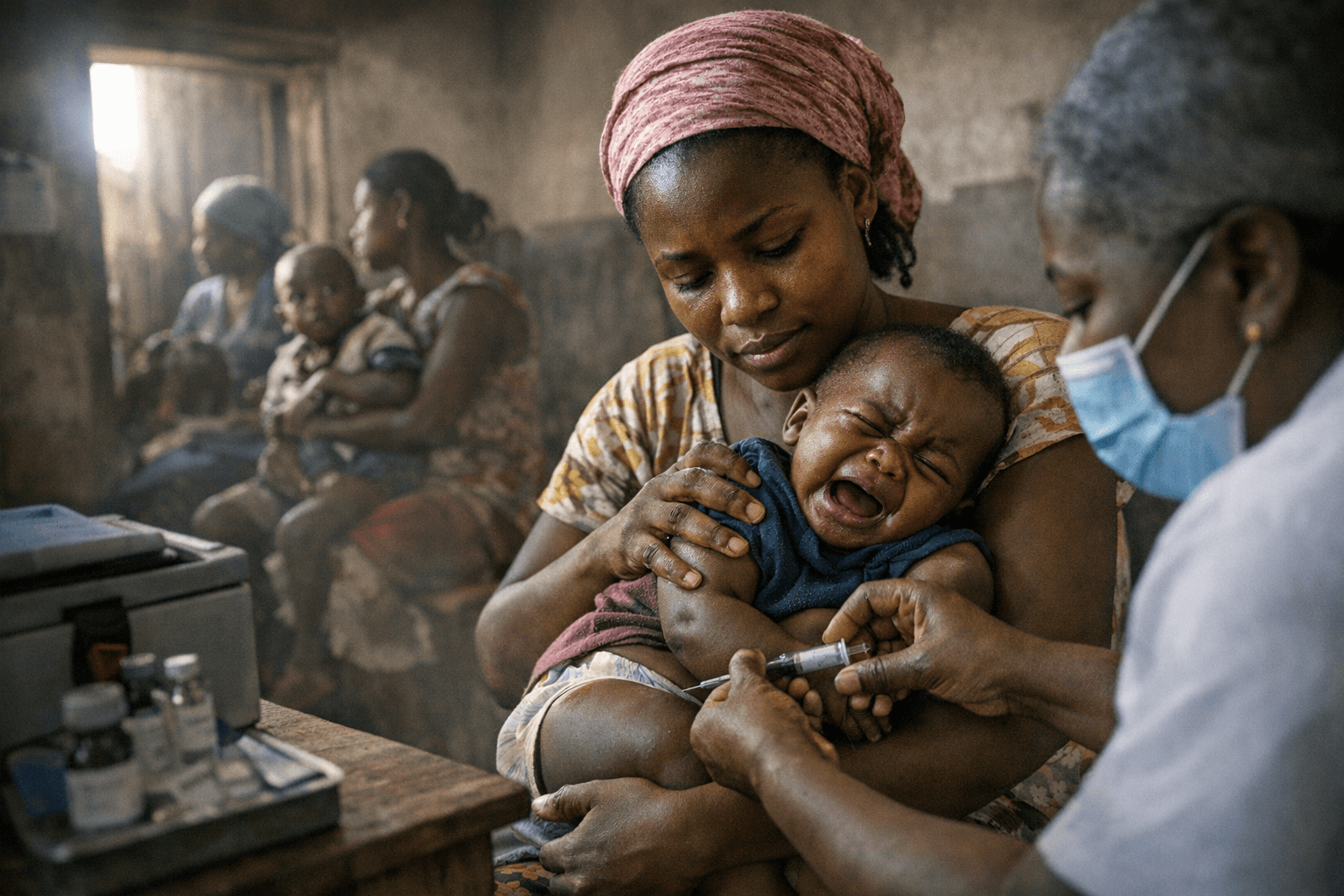
Vaccines have become one of Africa’s clearest public-health victories, saving an estimated 50 million lives over the past five decades and giving each infant life saved nearly 60 more years of life expectancy. Yet the new picture from the World Health Organization and Gavi is more unsettled: coverage is still uneven, zero-dose children remain concentrated in a handful of countries, and the financing that helped drive the gains is under strain.
The analysis showed that measles vaccinations alone have saved 19.5 million lives in Africa since 2000. More than 500 million children across the continent have been protected through routine immunization over that period, and vaccines saved at least 1.9 million lives in the African region in 2024 alone. Routine schedules now protect against 13 vaccine-preventable diseases, up from eight in 2000, while supplemental measles campaigns have delivered 622 million vaccinations.
Some of the progress is historic. Meningitis deaths in Africa have fallen by 39%. The measles second-dose coverage rate climbed from 5% in 2000 to 55% in 2024. Wild poliovirus was eradicated in 2020, and maternal and neonatal tetanus has been eliminated in most countries. Malaria vaccines are now being introduced in 25 African nations, with WHO saying the rollout could protect about 10 million children a year and is moving faster than nearly any other vaccine launch in the agency’s history.
But the same report also shows how fragile those gains remain. In the African region in 2024, first-dose measles coverage was 71%, DTP3 coverage was 76%, and yellow fever coverage in at-risk countries was 50%, below the 80% target. Ten countries now account for 80% of zero-dose children, a concentration that WHO Africa director Mohamed Janabi called a profound equity problem.
The pressure is not only medical. Janabi said aid cuts since President Donald Trump returned to the White House in 2025 have been devastating, while disruptions tied to the war in the Middle East have strained budgets and supply chains. Sania Nishtar of Gavi warned that if vaccinators cannot keep reaching fragile and remote communities, hard-won progress could stall or reverse.
UNICEF and WHO warned earlier in 2025 that funding cuts, misinformation, population growth and humanitarian crises were threatening immunization gains worldwide. More than 5 million zero-dose children in the African region have been vaccinated since 2024 through the Big Catch-Up initiative, launched in 2023 in 24 priority countries. The scale of the response is large, but the margin for error is shrinking as Africa’s immunization systems carry a global burden that extends far beyond the continent’s borders.
This article was produced by Prism’s automated news system from verified source data, official records, and press releases, then run through automated quality and moderation checks before publishing. The system is built and supervised by the people who set the standards it runs under. Read our full AI policy.
Did this article answer your question?