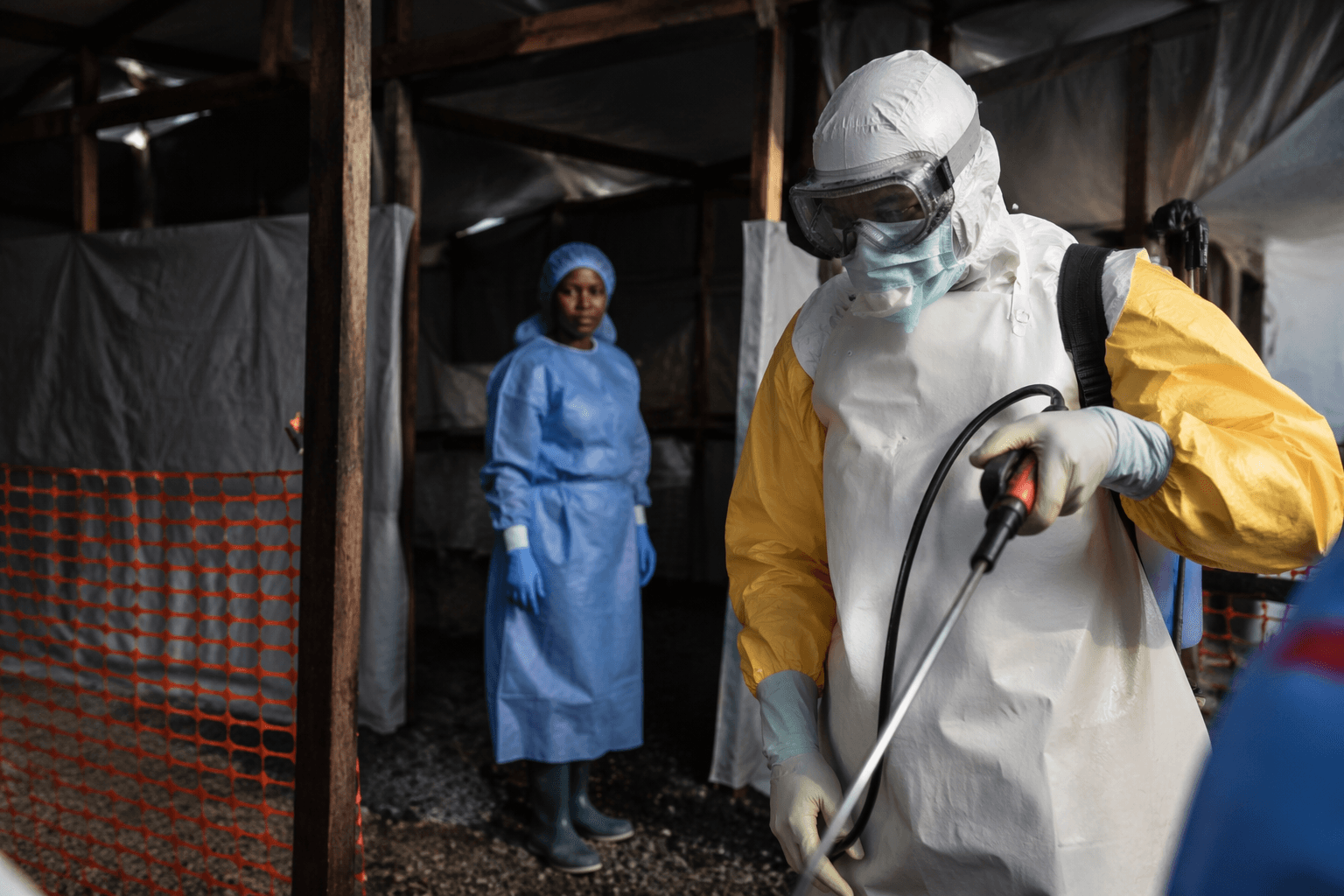
WHO says Congo-Uganda Ebola outbreak is not a pandemic emergency
WHO raised the Congo-Uganda Ebola outbreak to a global alert, but kept it below pandemic status as suspected cases climbed toward 600.
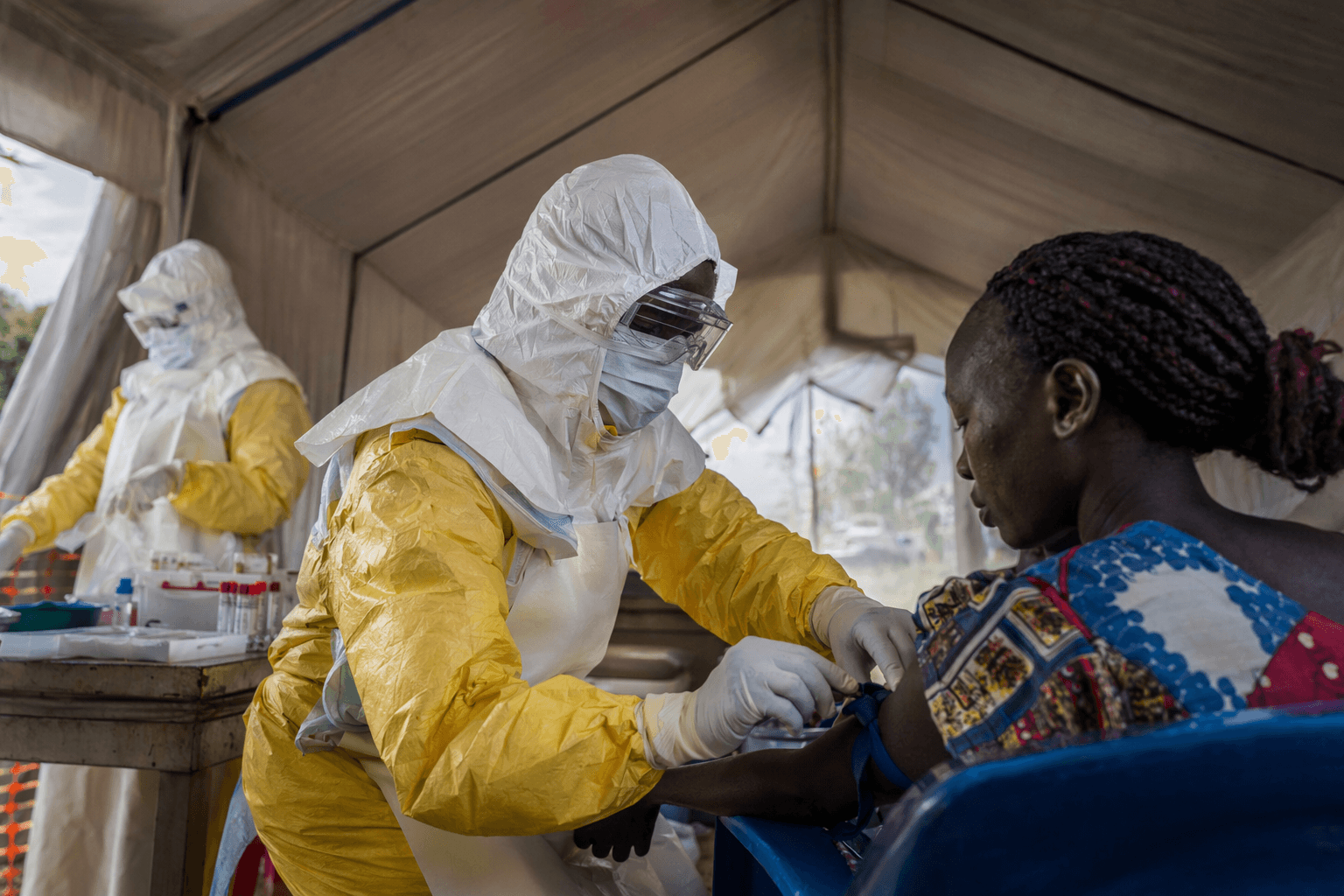
The World Health Organization moved fast on the Ebola outbreak in central Africa, but stopped short of calling it a pandemic emergency. Tedros Adhanom Ghebreyesus said the spread of Bundibugyo Ebola in the Democratic Republic of the Congo and Uganda was “not a pandemic emergency,” even as WHO judged the threat high in both countries and across the region, and low globally.
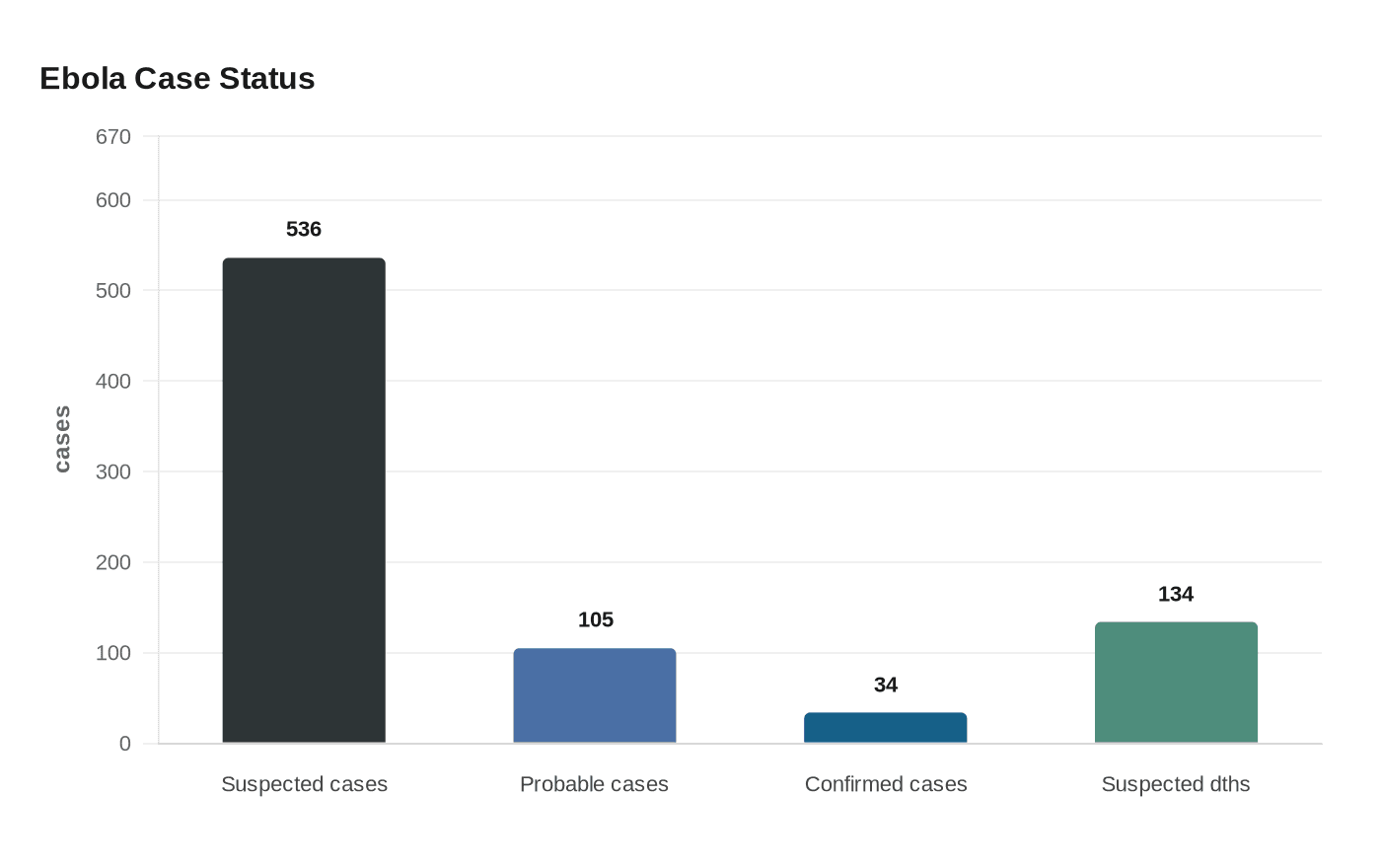
WHO declared the outbreak a public health emergency of international concern on May 17, a major escalation under the revised International Health Regulations. By May 20, the agency said 51 cases had been confirmed in the DRC and two in Kampala, Uganda, including one death. It also said the outbreak was likely much larger than the confirmed totals suggested, with almost 600 suspected cases and 139 suspected deaths. The U.S. Centers for Disease Control and Prevention later reported even faster-moving counts, with DRC and Uganda together listing 536 suspected cases, 105 probable cases, 34 confirmed cases and 134 suspected deaths as of May 19.
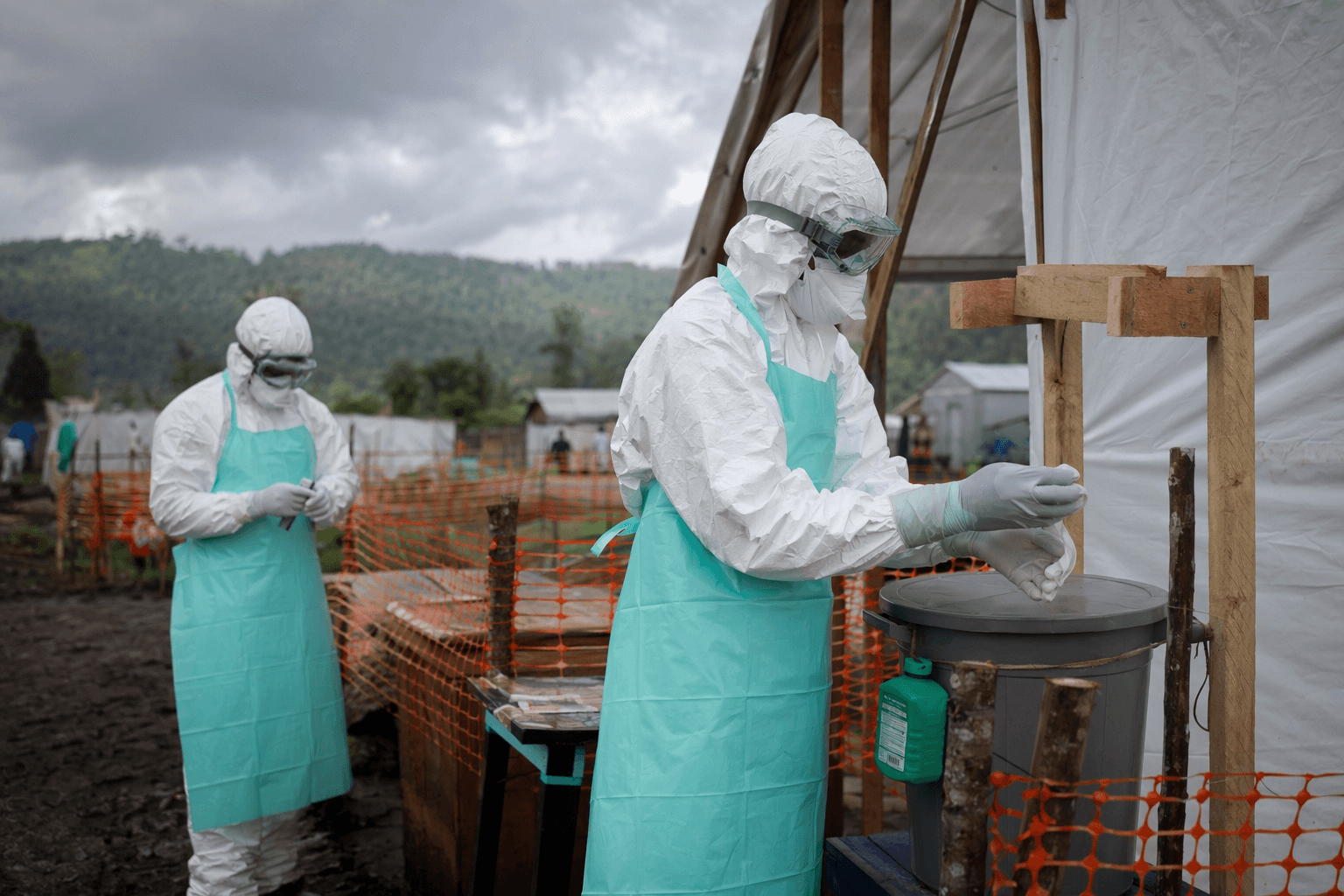
The disease was first detected in Ituri province in eastern Congo, then surfaced in North Kivu and in Uganda after cross-border travel. That movement across porous borders is what keeps public health officials on edge. WHO said the outbreak was especially worrying because deaths had been reported among health workers, insecurity was complicating response efforts in Ituri, and the virus involved was Bundibugyo Ebola, for which there are no approved vaccines or therapeutics.
Africa Centres for Disease Control and Prevention added to the concern on May 15, saying preliminary laboratory results detected Ebola virus in 13 of 20 samples and identified the Bundibugyo strain. Uganda also reported an imported case in a 59-year-old Congolese man who was admitted to Kibuli Muslim Hospital in Kampala on May 11 and died three days later. WHO said this was the first time a director-general had declared a PHEIC before convening an Emergency Committee, underscoring how quickly officials judged the situation to be deteriorating.
The distinction between a severe outbreak and a pandemic threat is now the key line to watch. WHO and CDC both said the global risk remained limited, and the CDC said on May 18 it had already added enhanced travel screening, entry restrictions and other measures to reduce the chance of Ebola reaching the United States, while keeping the risk to Americans and travelers low. The outbreak is serious, and it could worsen if transmission expands further across Central and East Africa, but it has not yet crossed into the kind of sustained global spread that would make it a pandemic emergency.
Know something we missed? Have a correction or additional information?
Submit a Tip