WHO says Dutch cruise hantavirus outbreak poses low global risk
A cruise-ship hantavirus cluster has revived Covid-era fear, but WHO says the risk is low and spread depends on close contact, not casual exposure.
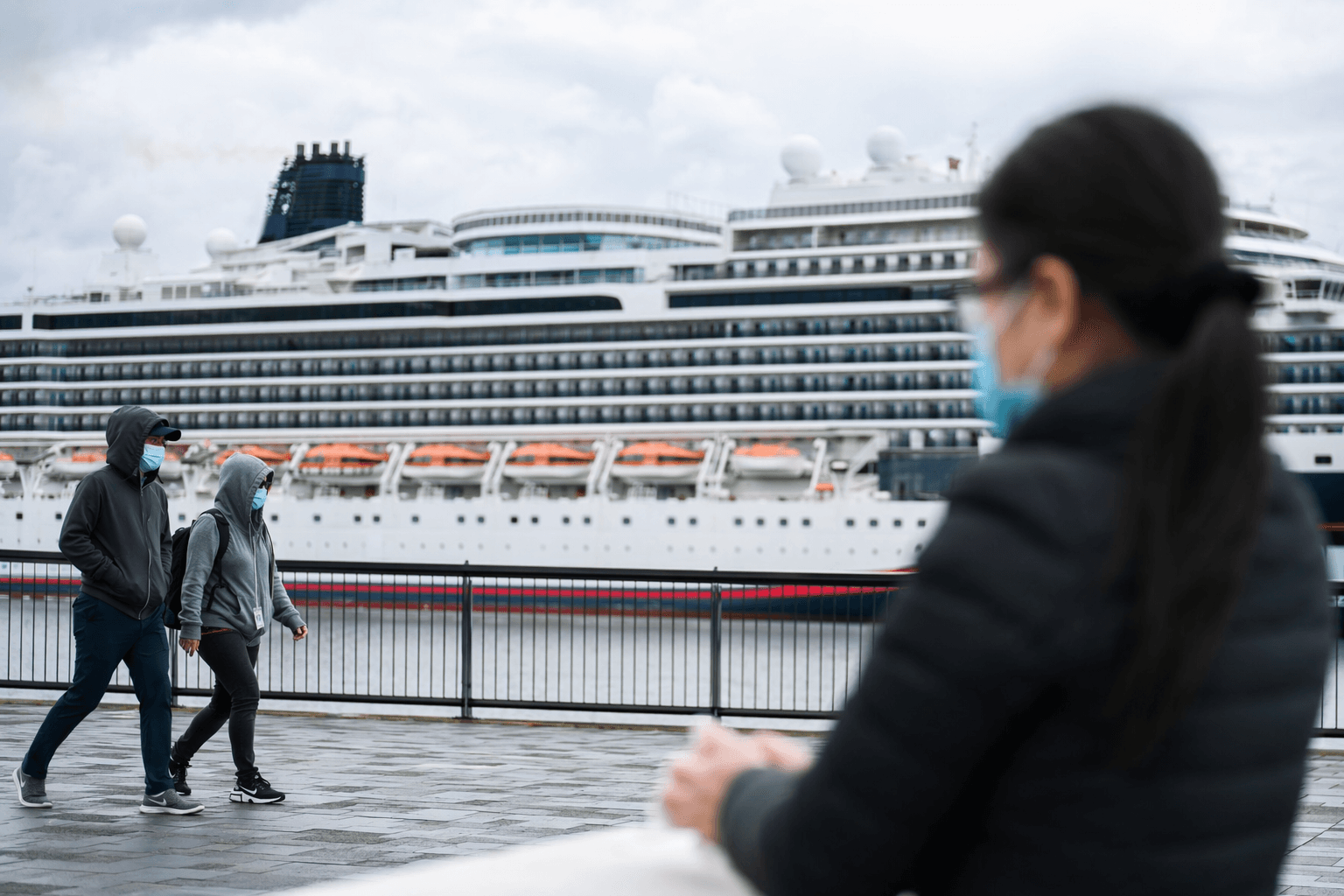
Fear moved faster than the virus aboard the Dutch-flagged MV Hondius. Images of a ship kept offshore near Cape Verde and later denied permission to dock in Tenerife stirred the kind of Covid-era dread that still hangs over public health scares, but the World Health Organization said the outbreak poses a low global public health risk and is “not the start of another COVID pandemic.”
WHO said eight cases had been reported by May 7, including five laboratory-confirmed infections and three suspected cases. At least three people had died. The first alert came from the United Kingdom under the International Health Regulations after passengers developed severe respiratory illness during the voyage from Argentina to Cape Verde. Health authorities were still tracing passengers who had already disembarked in several countries.
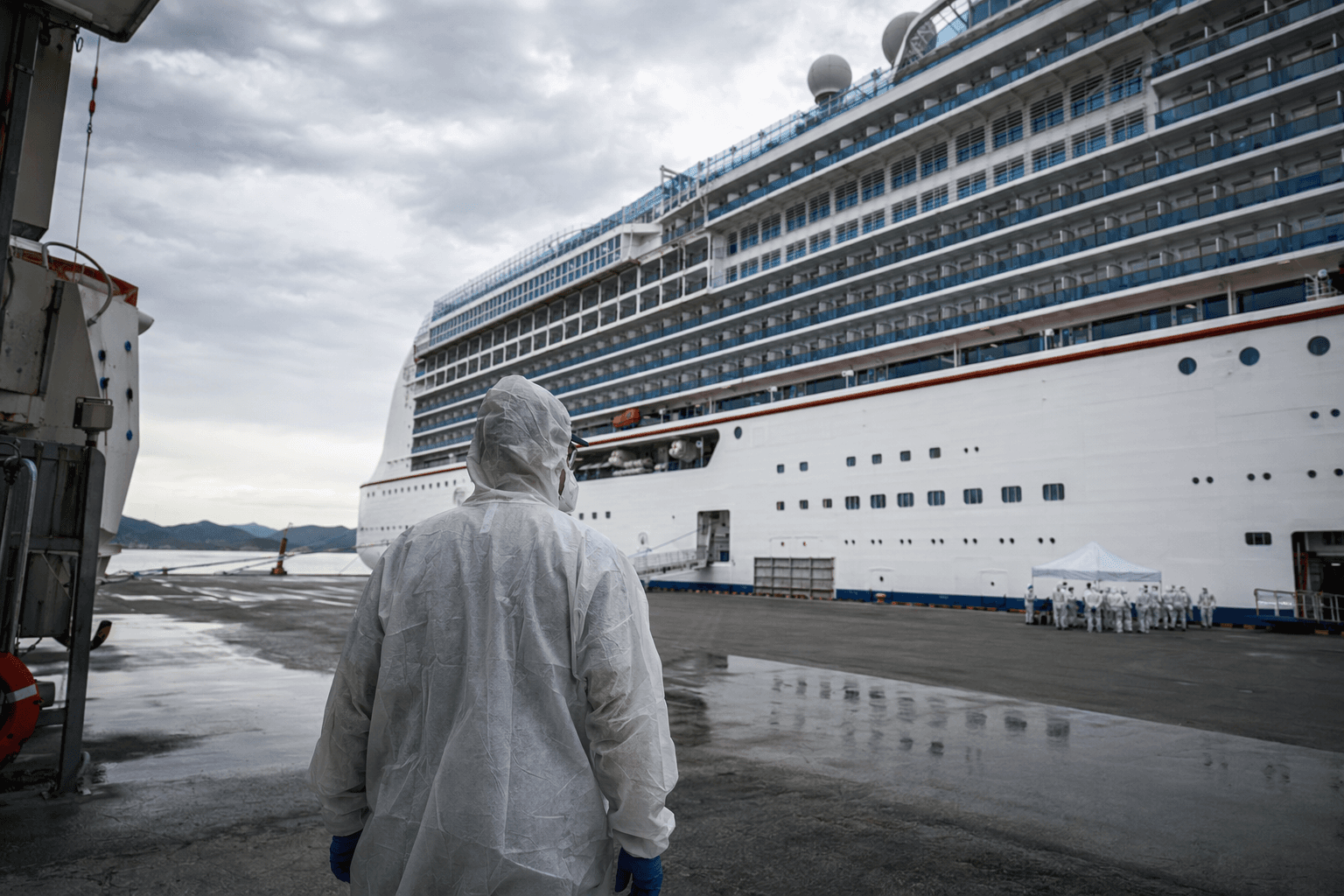
The anxiety is easy to understand, especially because hantavirus can begin with flu-like symptoms and then turn into severe respiratory illness. But its biology is not coronavirus biology. WHO said the rare Andes strain is the only known hantavirus with limited human-to-human transmission, and even then it usually requires close and prolonged contact, especially among household members, intimate partners or healthcare workers. Human infection is usually linked to rodents, or to droppings, urine or saliva from infected animals, not to the easy airborne spread that made Covid so hard to stop.
The first known patient developed symptoms on April 6 and later died aboard the vessel. The MV Hondius left Ushuaia, Argentina, on April 1 and made stops including Antarctica, South Georgia, the Falkland Islands, Tristan da Cunha, St. Helena, Ascension and Cape Verde. More than 140 passengers and crew remained aboard as the ship headed toward the Canary Islands, while Spanish authorities said a 32-year-old woman in Alicante was being tested after sharing a flight with a passenger who later died, bringing the total number of confirmed and suspected cases to 10.
The cruise line has become an international contact-tracing problem, not a pandemic spark. British health authorities also identified a new suspected case in Tristan da Cunha, and WHO said a KLM flight attendant who had brief contact with a patient tested negative. Maria van Kerkhove said the outbreak is not a new pandemic, while Abdirahman Mahamud said it felt more like a 2018 Argentina outbreak, when 34 cases were reported, than the opening of a global wave.
For many people, the alarm also reflects Covid PTSD, the memory of how quickly a health threat can seem to outrun control. Yet the comparison only goes so far. U.S. surveillance for hantavirus began after the 1993 Four Corners outbreak in Arizona, Colorado, New Mexico and Utah, when 18 cases were confirmed and 14 people died. By the end of 2023, the Centers for Disease Control and Prevention had counted 890 U.S. cases. That record shows hantavirus can be deadly, but it also shows why the current cruise-ship outbreak is being treated as a serious, traceable event, not the start of another pandemic.
This article was produced by Prism’s automated news system from verified source data, official records, and press releases, then run through automated quality and moderation checks before publishing. The system is built and supervised by the people who set the standards it runs under. Read our full AI policy.
Did this article answer your question?