WHO scales up aid as Congo Ebola outbreak tops 80 deaths
WHO rushed aid to Congo as Ebola deaths passed 80, while an imported case in Uganda raised the risk of wider regional spread.
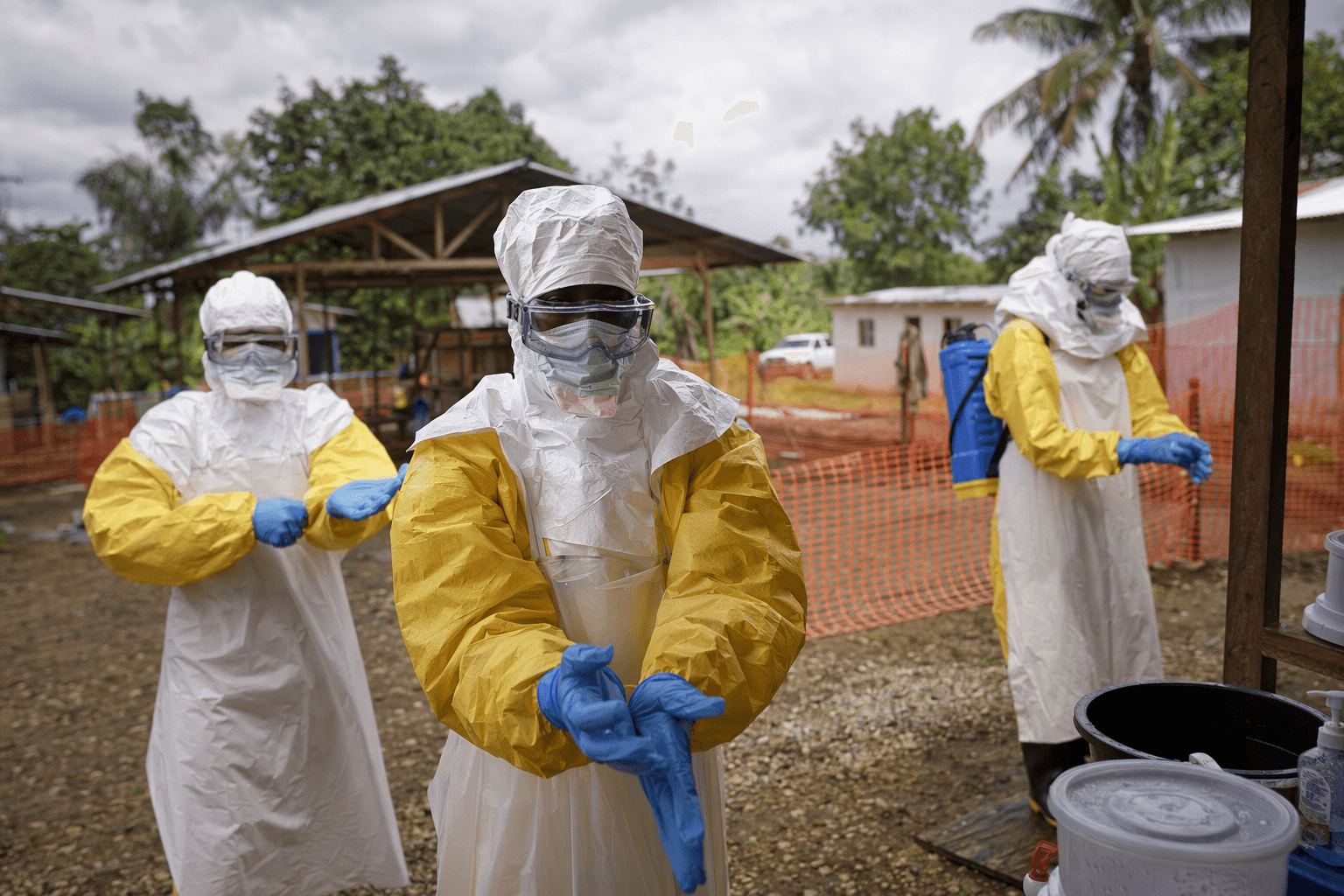
The outbreak in eastern Congo is still centered in Ituri province, but the warning signs now reach across the border: an imported Ebola Bundibugyo case in Uganda has turned a local emergency into a regional containment test. WHO is rapidly scaling up support, yet the practical barriers are familiar and severe, from unsafe burials to thin surveillance in hard-to-reach health zones.
Officials first announced the outbreak on Friday, with 65 deaths and 246 suspected cases. By Saturday, at least 80 deaths had been reported as health workers intensified screening and contact tracing in Ituri, where the virus has been detected in the Mongbwalu and Rwampara health zones. The National Institute of Biomedical Research in Kinshasa confirmed Ebola Bundibugyo in 13 of 20 samples taken from suspected cases linked to severe illness and deaths.
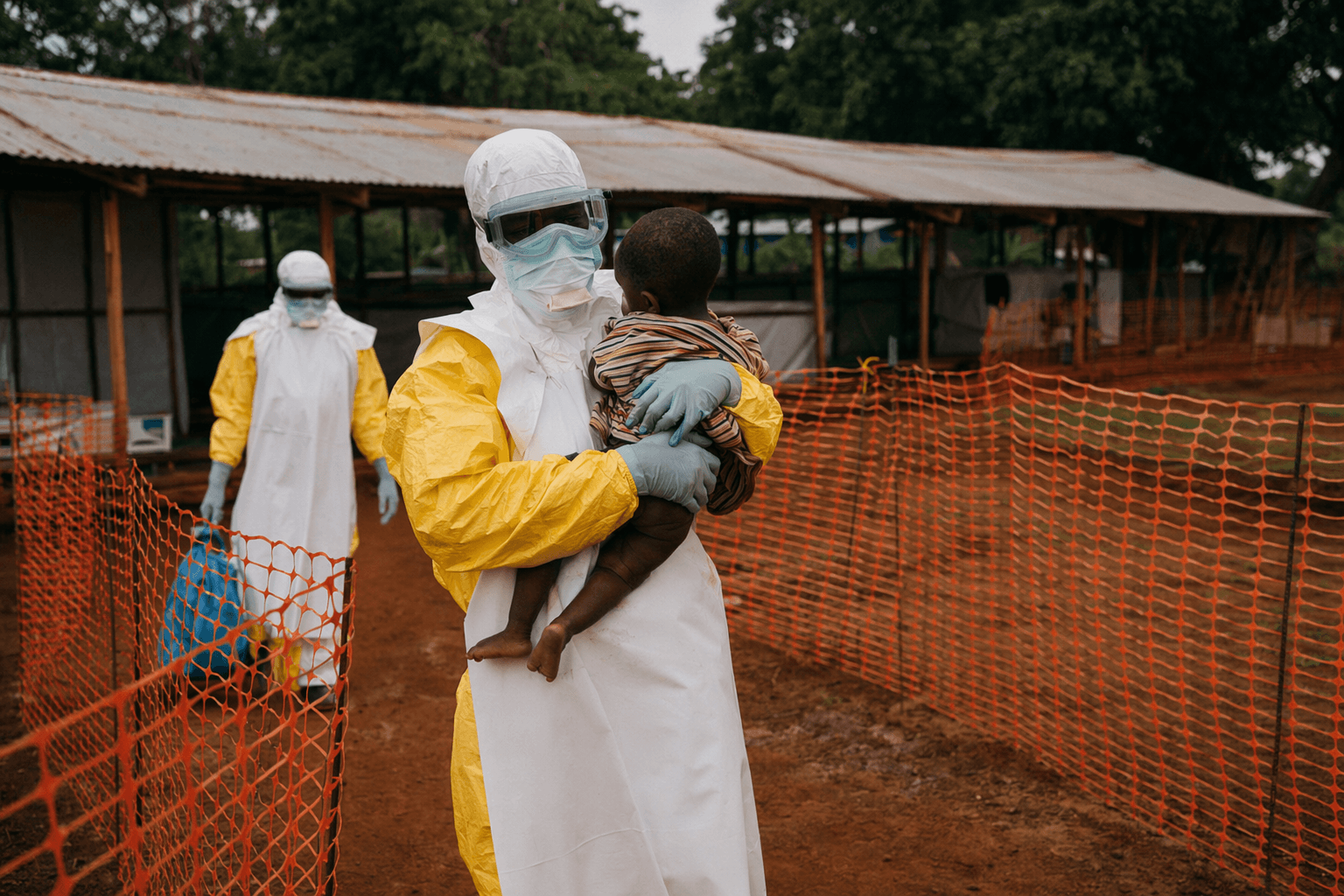
Health Minister Samuel Roger Kamba said late Friday that Congo had eight laboratory-confirmed cases, including four deaths. He said the suspected index case was a nurse who died at a hospital in Bunia, with symptoms dating back to April 24, a timeline that underscores how quickly the virus may already have circulated before the alarm was raised.
The response now hinges on whether teams can find cases faster than the virus can move through families, clinics and funeral gatherings. In Bunia, residents described repeated burials and mounting fear. Jean Marc Asimwe said people were burying “two, three or more people in a single day,” a sign of how dangerous routine mourning has become as health workers try to interrupt transmission.
WHO said it was mobilizing additional experts in epidemiology, infection prevention and control, laboratory diagnostics, clinical care, logistics, risk communication and community engagement. Its immediate priorities are surveillance, active case finding, contact tracing, safe burials and community sensitization, all of which will decide whether the outbreak stays concentrated in Ituri or spills into a broader crisis.
The strain on the response is heightened by the history of the virus. Congo’s current outbreak is its 17th since 1976, and the Bundibugyo species was first identified in Bundibugyo district in western Uganda in 2007. Uganda’s health ministry and WHO have confirmed an imported case linked to the Congo outbreak, sharpening concerns about cross-border spread and the need for faster regional coordination before the virus gains more ground.
Know something we missed? Have a correction or additional information?
Submit a Tip