Andean Peruvians evolved a starch-digesting gene for potato diets
Peruvian Quechua speakers carried record-high AMY1 copy numbers, a starch-digesting gene tied to a 1.24% edge per generation as potatoes reshaped Andean diets.
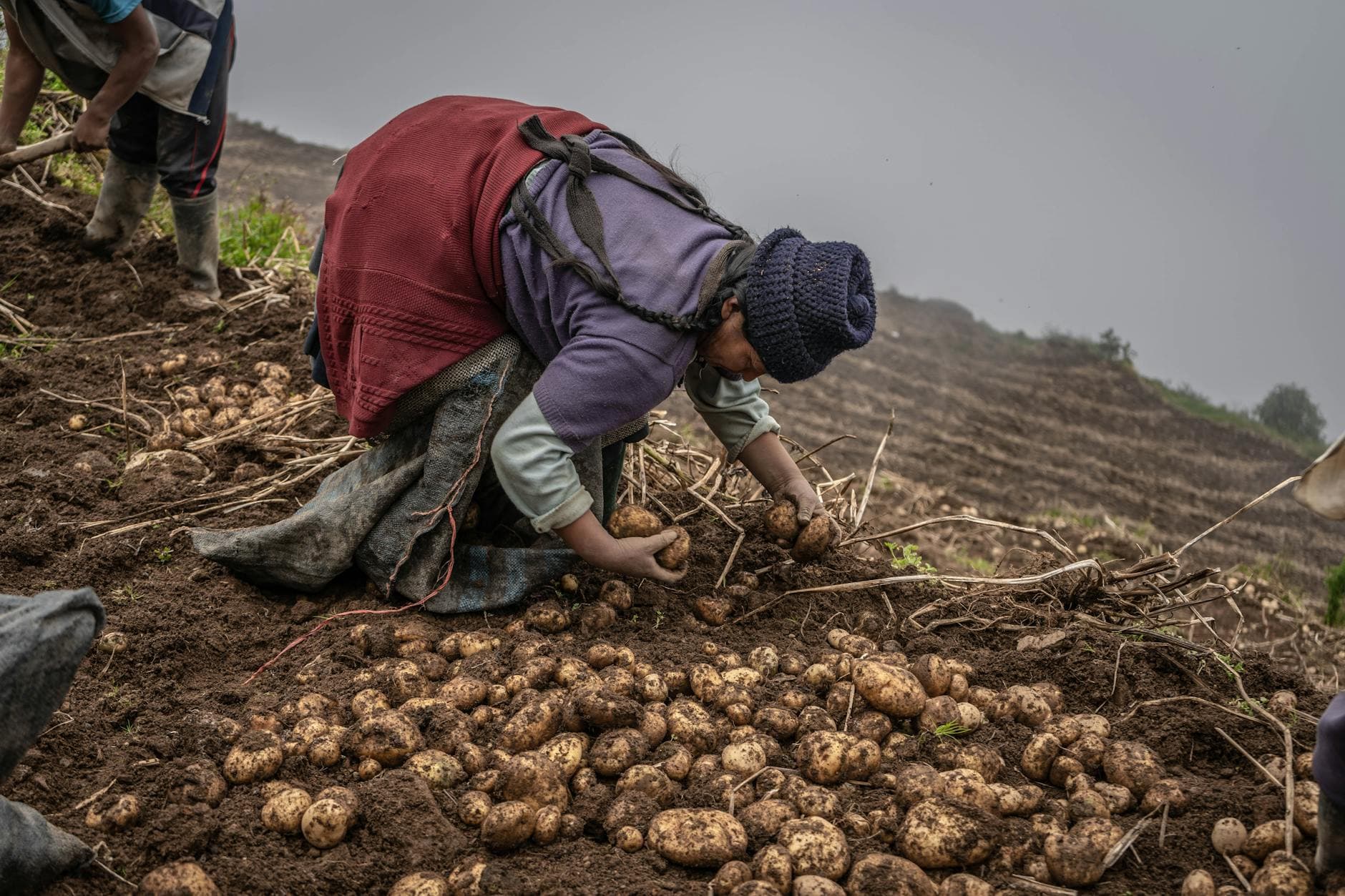
A gene that helps break down starch in the mouth rose to unusually high levels in Indigenous Andean Peruvians, offering a clear example of how diet, altitude and natural selection can reshape human biology over thousands of years. Researchers found that many people in Peru’s highlands carry 10 or more copies of AMY1, the gene for salivary amylase, the enzyme that starts starch digestion before food even reaches the stomach.
The study, published May 5, 2026 in Nature Communications, analyzed genetic data from 3,723 individuals across 85 global populations, including 81 people of Indigenous Andean ancestry who speak Quechua. About 60% of that Peruvian Andean group had 10 or more AMY1 copies, far more than other populations in the comparison set. Researchers say those higher copy numbers gave people with roughly 10 or more copies a 1.24% survival or reproductive advantage per generation.
The pattern points to natural selection in the Andes after people began cultivating potatoes, a crop first domesticated in the highlands about 6,000 to 10,000 years ago. Indigenous Andean communities were the first to make potatoes a staple, and their descendants now appear to carry the highest known numbers of a starch-digestion gene in any population studied. The researchers say the rise in AMY1 likely reflects pressure from a diet built around starch-rich tubers and the demands of high-altitude living.
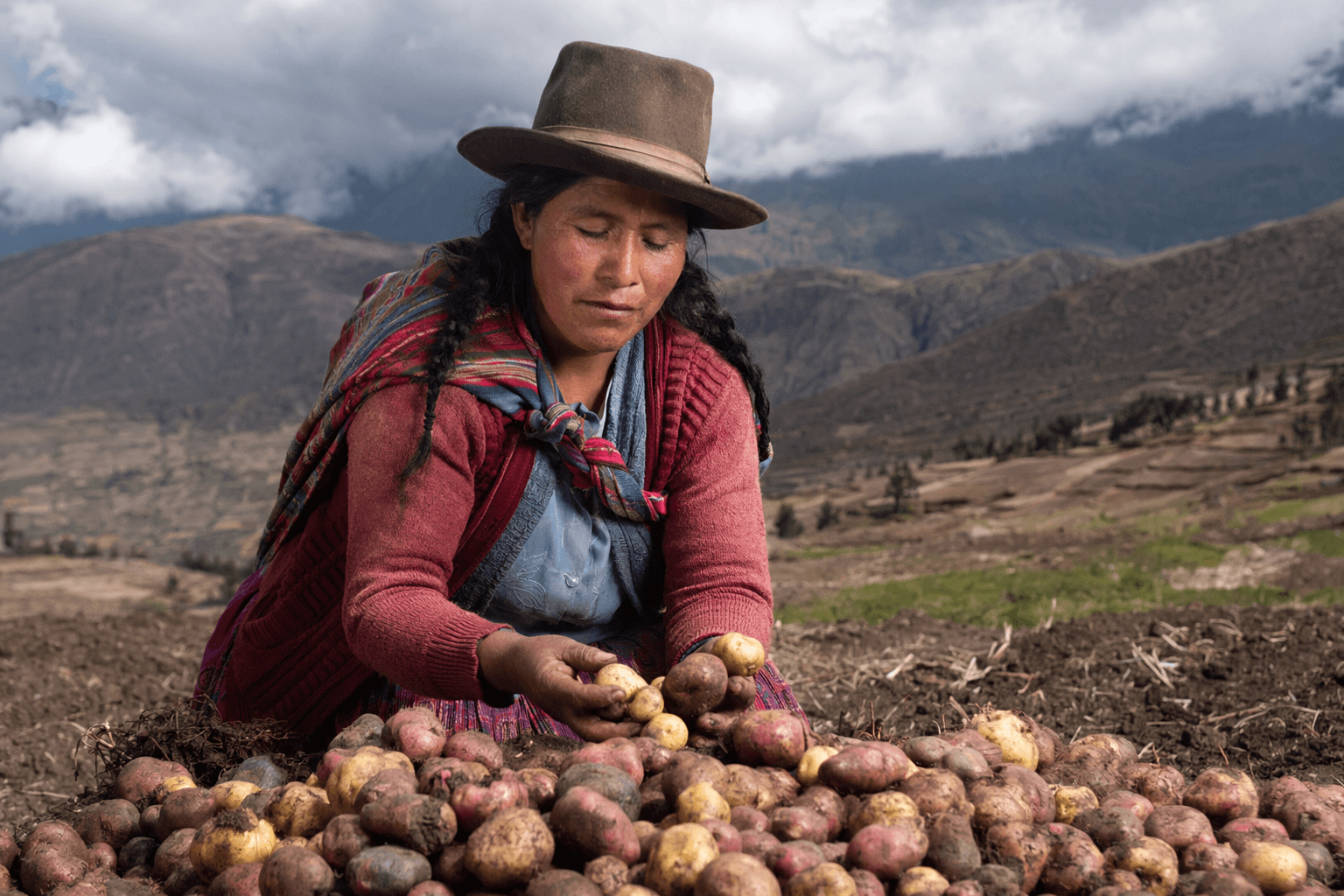
The work adds to a broader picture of human adaptation in the Andes, a region long studied for how bodies adjust to thin air and low oxygen. Abigail Bigham and Omer Gokcumen, the study’s co-corresponding authors, said the findings show how culture and environment can leave measurable marks on the genome. Bigham said the work highlights the interaction of culture, diet and environment, with possible implications for metabolism, the microbiome and gene-diet interactions relevant to human health.
The study also builds on earlier research from Bigham and colleagues that had pointed to selection in the starch-digestion pathway among Andean peoples, and on Gokcumen’s prior finding that the first duplication of AMY1 in humans dates back at least 800,000 years. In the Andes, that ancient gene variation appears to have been refined by a much newer force: the move to potato farming at high altitude, where culture shaped biology in ways that still show up in the DNA of Peru’s Quechua-speaking populations.
This article was produced by Prism’s automated news system from verified source data, official records, and press releases, then run through automated quality and moderation checks before publishing. The system is built and supervised by the people who set the standards it runs under. Read our full AI policy.
Did this article answer your question?


