Florida hospital worker survives three heart attacks in four days
Tommy Bell thought he was healthy until chest pressure sent him back to the hospital, where a clot at a fresh stent triggered three heart attacks in four days.
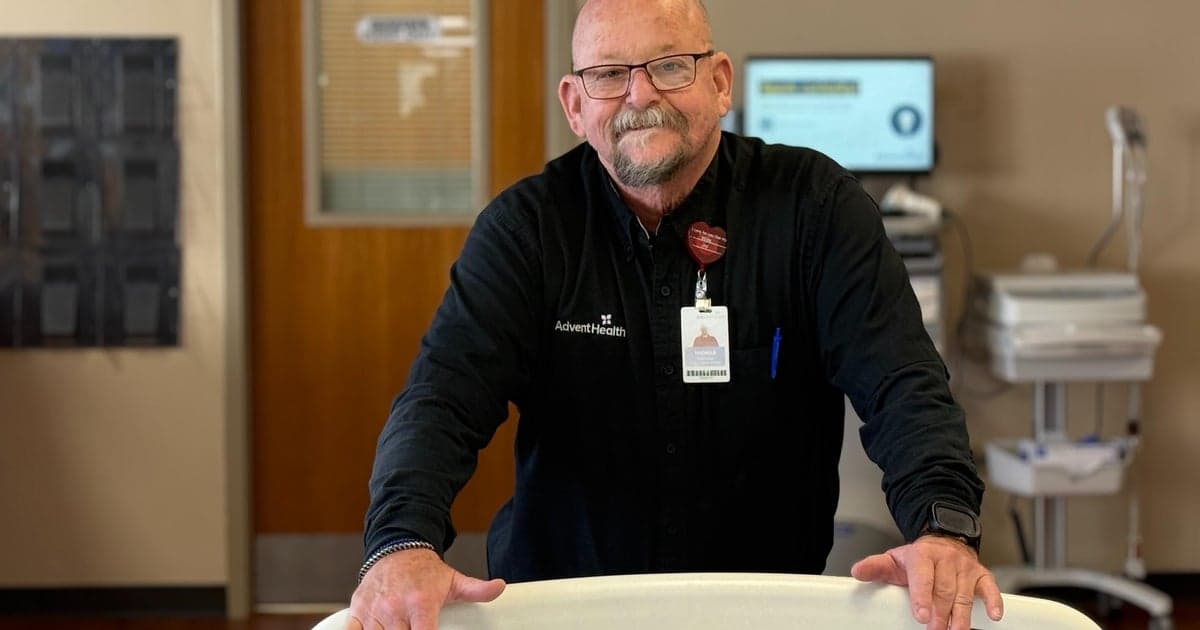
Tommy Bell thought he was in good shape until his own heart forced a brutal correction. The 62-year-old patient transport supervisor at AdventHealth DeLand Hospital in DeLand, Florida, first felt pressure in the center of his chest on Nov. 26, 2025, while driving home from work and talking with his wife, Joi.
Bell turned around and went back to the hospital, where tests and imaging led doctors to schedule a cardiac procedure for Friday, Nov. 28. During that procedure, he suffered a heart attack, received a stent to restore blood flow, and was stabilized in intensive care before going home two days later.
The warning signs did not stop there. Still recovering at home, Bell did not feel right. On Tuesday, Dec. 2, 2025, Joi Bell took him back to the ER, where he suffered a second and third heart attack. Doctors later determined that a blood clot had formed at the site of the recently placed stent, blocking circulation again.

Interventional cardiologist Dr. Janak Bhavsar spent more than two hours clearing additional arteries around Bell’s heart and placed three more stents to restore blood flow. By the end of that week, Bell had survived three heart attacks in four days, a rare and frightening chain of events that showed how quickly a person who seems healthy can become critically ill.
Bell’s case is a reminder that heart attack symptoms are not always dramatic, and they are not always easy to dismiss. The American Heart Association says warning signs can include chest discomfort, pain in the arms, back, neck, jaw or stomach, shortness of breath, nausea, lightheadedness and cold sweats. The Centers for Disease Control and Prevention says coronary artery disease is the main cause of heart attack and urges people to call 911 immediately if symptoms appear.
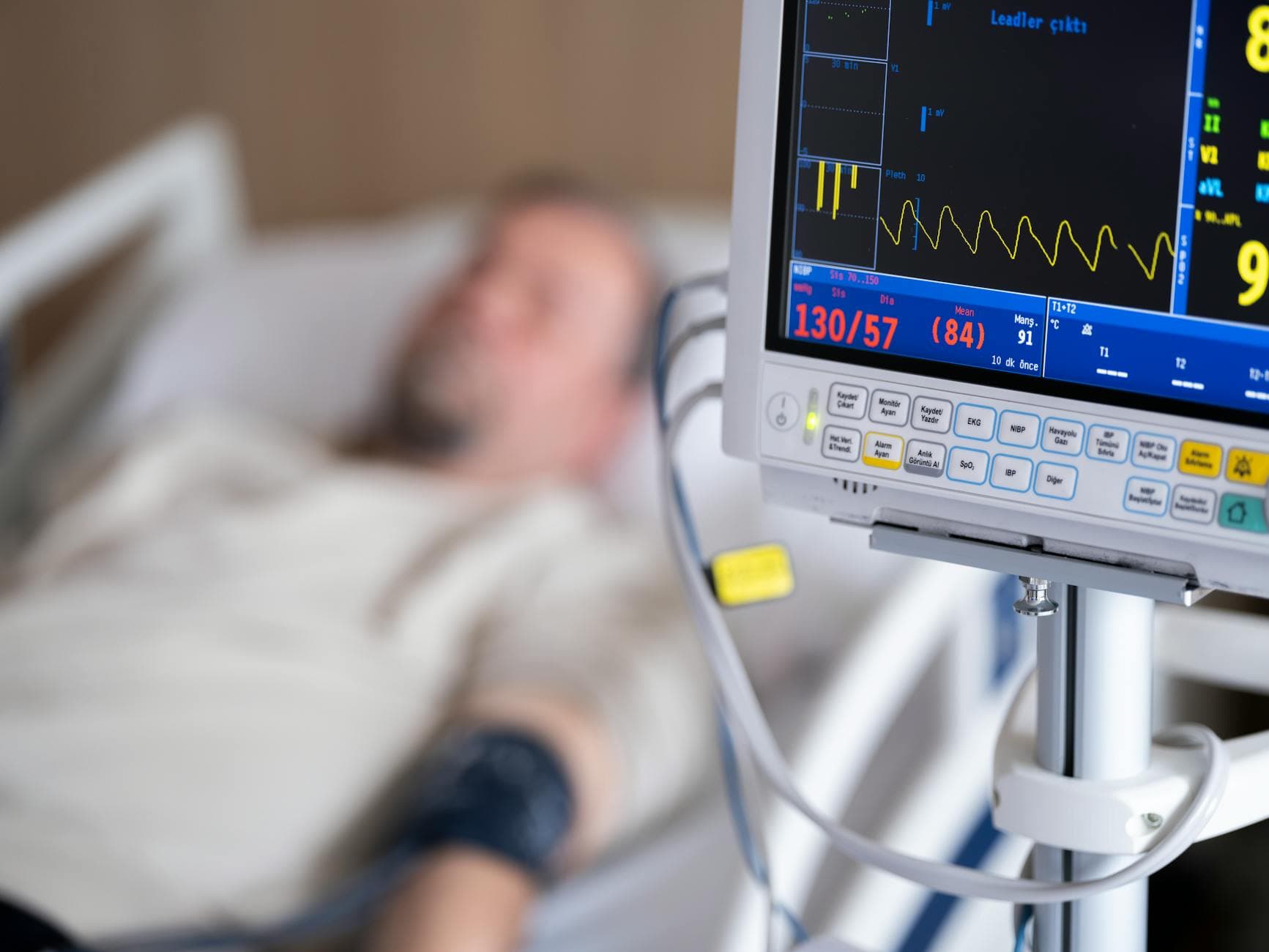
That matters because some heart attacks can be mild or silent, and people may mistake the early signs for stress, indigestion or fatigue. Bell said the experience was especially reassuring because he was being treated by coworkers he knew by name, and he later returned to work after two weeks away to recover and regain strength.
Medical literature describes stent thrombosis as uncommon but serious, with a meaningful risk of recurrence and high short-term mortality in some cases. Bell’s ordeal turned that risk into a vivid warning: chest pressure and unexplained discomfort can be the first clue that the heart is already in danger.
This article was produced by Prism’s automated news system from verified source data, official records, and press releases, then run through automated quality and moderation checks before publishing. The system is built and supervised by the people who set the standards it runs under. Read our full AI policy.
Did this article answer your question?