Meningitis charity urges wider MenB vaccine rollout after pupil’s death
An Oxfordshire sixth-form pupil’s death has sharpened calls for MenB shots for teenagers, exposing a gap that leaves school-age children without routine protection.
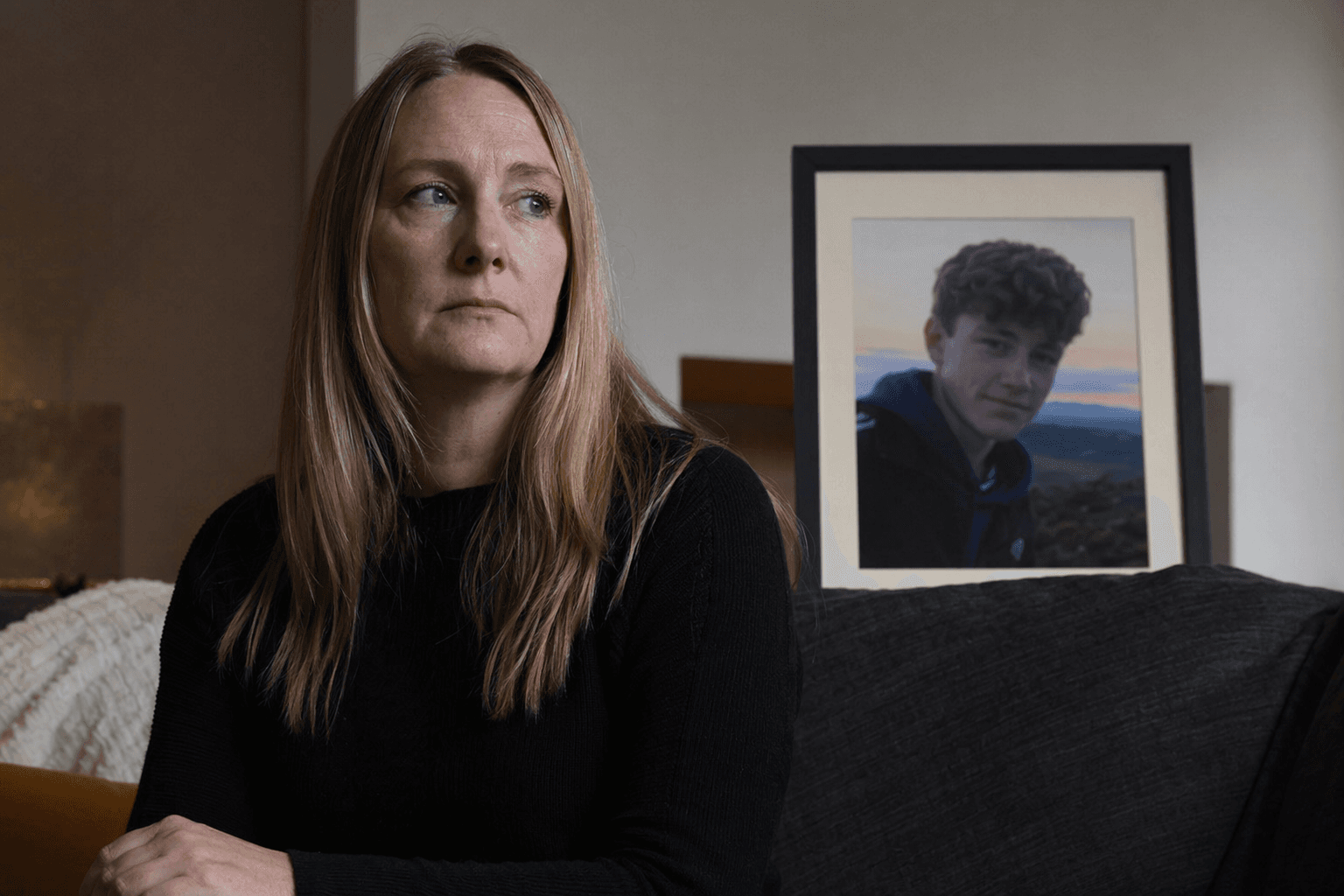
The death of an Oxfordshire sixth-form pupil has put a hard edge on a vaccine gap that meningitis charities say is still leaving teenagers and young adults exposed to MenB. Meningitis Now and Meningitis Research Foundation are pressing Health Secretary Wes Streeting to extend routine MenB vaccination beyond infants and into the age groups most likely to carry the bacteria.
The charities launched Meningitis Now’s No Plan B for MenB campaign on 16 March 2026, warning that teenagers and young people aged 15 to 24 are among the groups most at risk. In an open letter sent on 1 April 2026, the two charities asked Streeting to make MenB vaccination available on the NHS for teenagers and young adults, arguing that the current programme leaves a clear protection gap.
England’s present schedule does not include routine MenB vaccination for school-age children. MenACWY is routinely offered in school year 9, when pupils are 13 or 14, and young people can still receive catch-up doses until age 25. MenB, by contrast, was added to the routine infant immunisation programme on 1 September 2015, which means protection is built into early childhood care, not adolescence.
Campaigners say that leaves too many older children and young adults unprotected at the point when social mixing rises and carriage is more common. Meningitis Now says up to one in four young people may carry meningitis-causing bacteria in the back of their throats, compared with one in 10 in the general population. It also says MenB cases rose from 301 in 2023/24 to 313 in 2024/25.
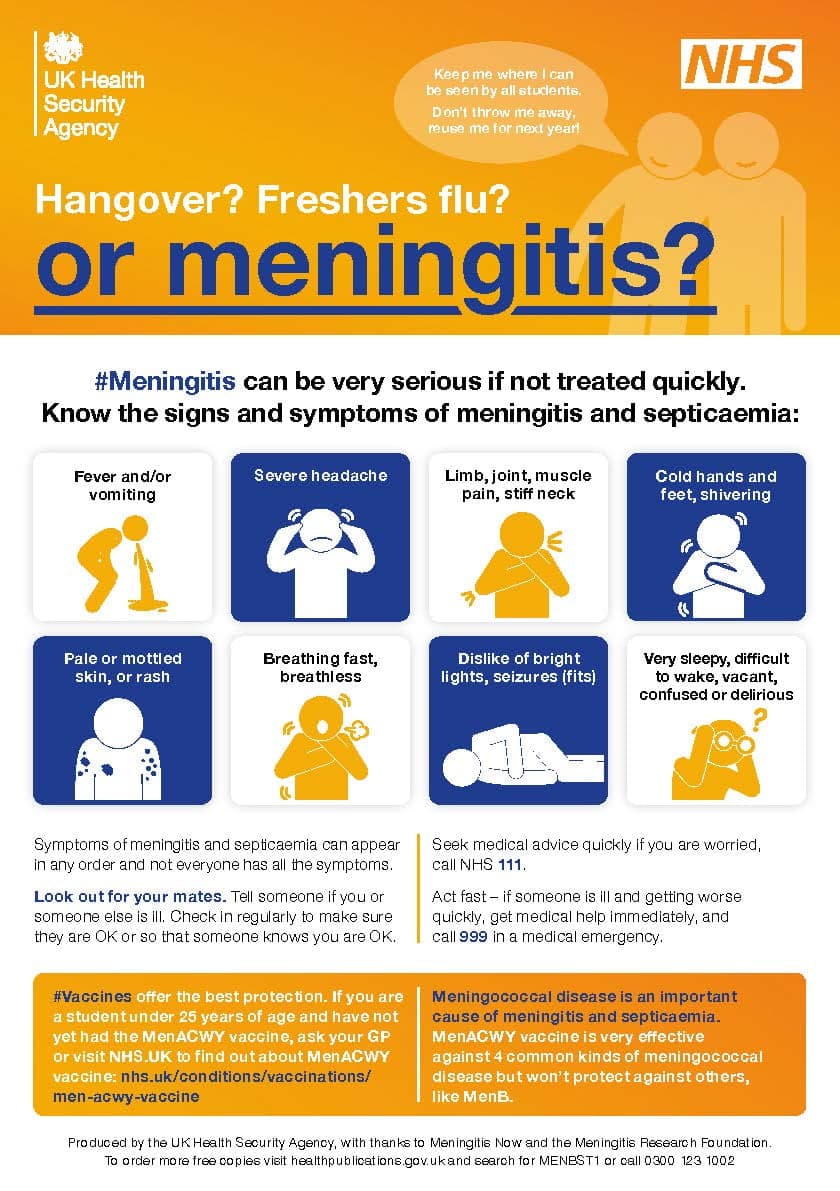
The wider disease burden remains significant. The UK Health Security Agency confirmed 378 laboratory-confirmed invasive meningococcal disease cases in England in 2024/25, up from 340 in 2023/24. UKHSA says meningococcal meningitis and septicaemia, while rare, can be devastating, life changing and sometimes deadly, and the illness can kill within hours or leave survivors with hearing loss, brain damage or amputations.

For campaigners, those figures make the case for widening protection to the age group now left behind. Public-health officials point to the existing childhood MenB programme and the separate MenACWY school campaign, but the death in Oxfordshire has turned a policy debate into a question of whether England’s age-limited approach is still enough.
This article was produced by Prism’s automated news system from verified source data, official records, and press releases, then run through automated quality and moderation checks before publishing. The system is built and supervised by the people who set the standards it runs under. Read our full AI policy.
Did this article answer your question?