Ebola outbreak in Congo’s Ituri province kills 65, sparks regional alarm
Sixty-five people have died in Ituri as Ebola Bundibugyo moves through remote health zones, and Congo, Uganda and global agencies are racing to stop it.

Health workers in northeastern Congo’s Ituri province are trying to contain an Ebola flare-up that has already killed 65 people and produced about 246 suspected cases, with the heaviest burden in the Mongwalu and Rwampara health zones. Africa CDC confirmed the outbreak on Friday, May 15, after Congolese authorities flagged a cluster that had been under investigation since May 5.
The strain identified is Ebola Bundibugyo, not the more common Zaire strain that has driven many past outbreaks in the Democratic Republic of Congo. That matters because control measures and vaccine options can differ by strain, and because Ituri’s remoteness can make every step slower, from moving samples to reaching patients quickly enough to isolate them. WHO said it had sent a team to the province to help investigate and collect samples, then began rapidly scaling up support to the Congolese government after confirmation.
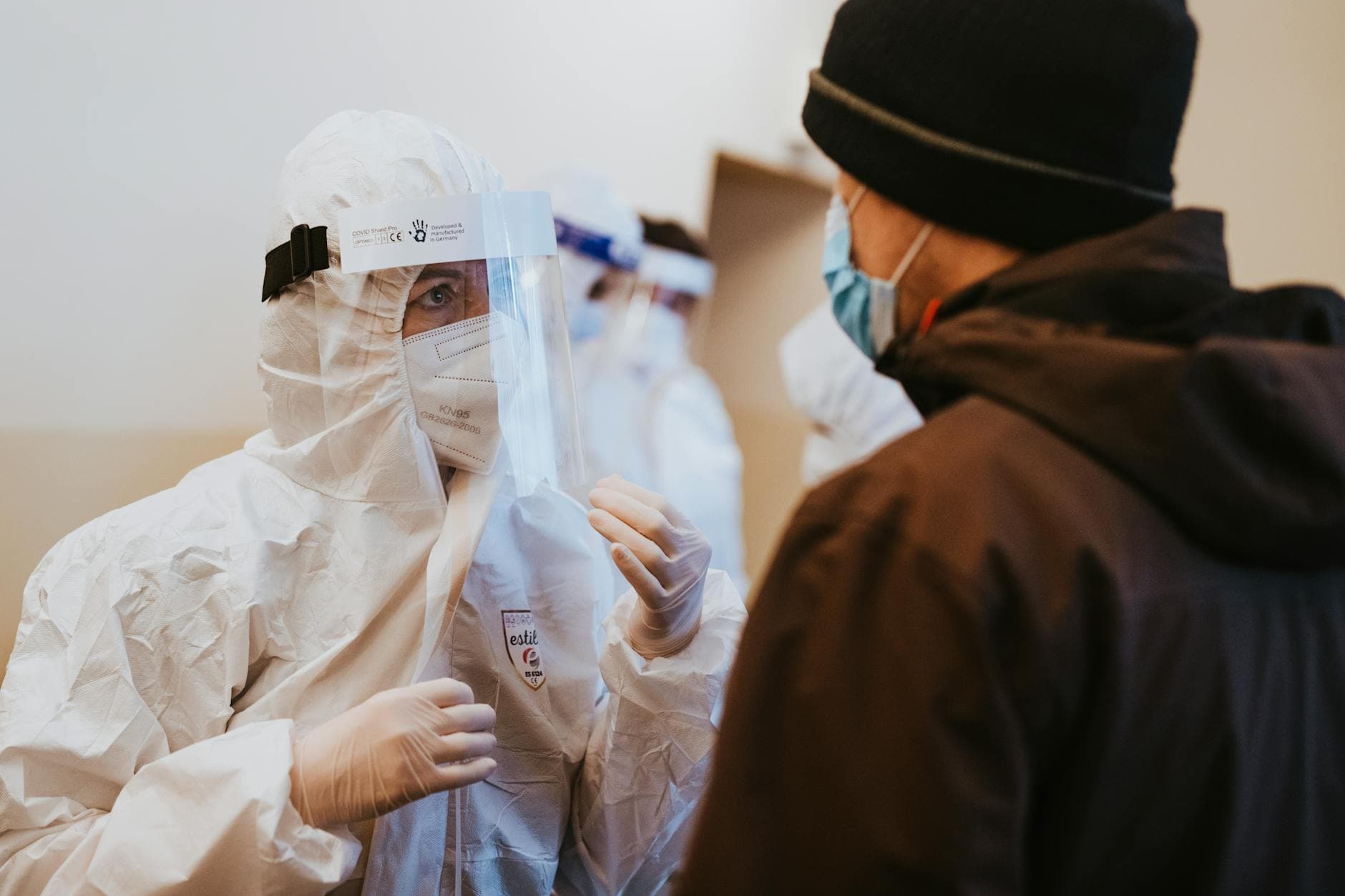
The regional risk is already clear. Africa CDC convened an urgent coordination meeting with health authorities from Congo, Uganda and South Sudan, along with WHO and UNICEF, because infections do not stop at the border. Uganda later reported one Ebola death linked to an imported case from neighboring Congo, turning a provincial outbreak into a cross-border alarm.
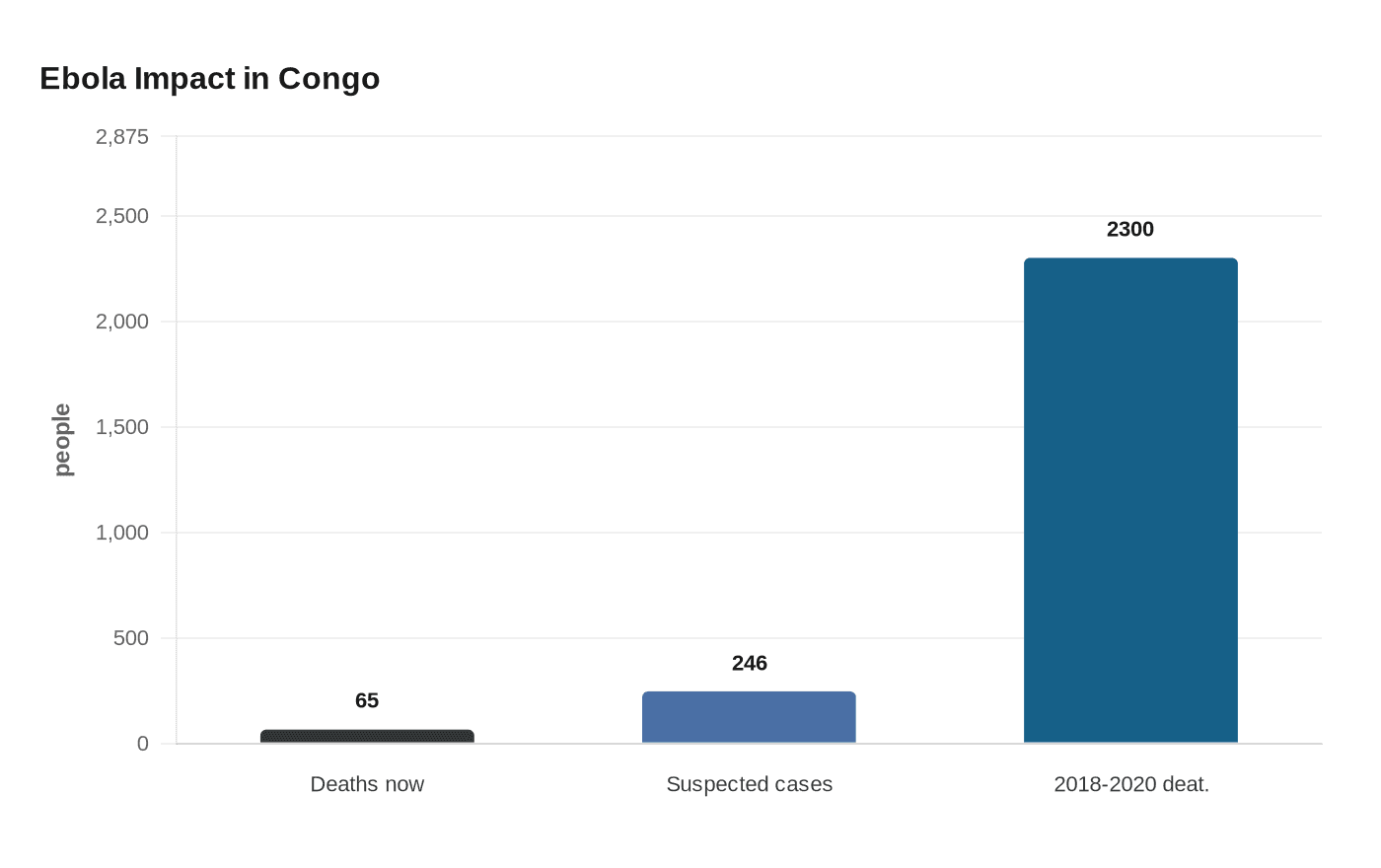
This is Congo’s 17th recorded Ebola outbreak since the virus was first identified there in 1976, and the memory of the country’s deadliest epidemic still hangs over the response. From 2018 to 2020, nearly 2,300 people died. That history is why the current fight depends on the basics of outbreak control, laboratory confirmation, surveillance, contact tracing, isolation and swift clinical care, backed by public health teams that can work in places where insecurity and distrust can keep families away from treatment. The U.S. CDC said it was monitoring reports in Congo and Uganda and providing technical assistance, as frontline doctors, nurses and community health workers again became the hinge between a contained flare-up and a wider crisis.
This article was produced by Prism’s automated news system from verified source data, official records, and press releases, then run through automated quality and moderation checks before publishing. The system is built and supervised by the people who set the standards it runs under. Read our full AI policy.
Did this article answer your question?