WHO urges action on childhood hearing loss and U.S. lawmakers back World Hearing Day
WHO posted a March 3 update calling for faster action on childhood hearing loss; bipartisan U.S. resolution and sector groups amplified calls for screening and access.
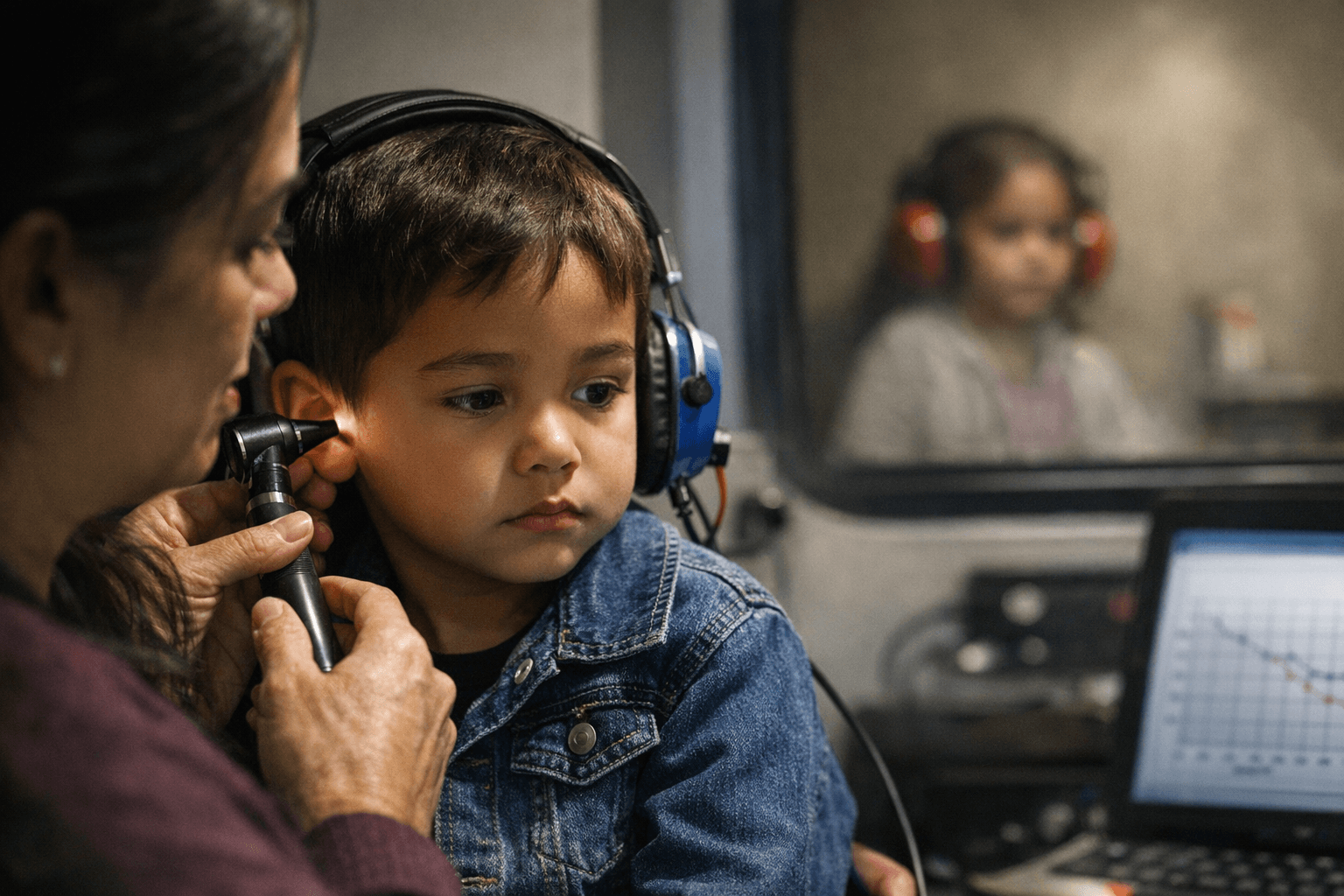
The World Health Organization used World Hearing Day to press governments, education systems and health partners to accelerate action on childhood hearing loss, posting a departmental update on March 3, 2026 that emphasized stepped-up prevention, early identification and care for children. WHO listed its 2026 event as "World Hearing Day 2026: From communities to schools: hearing care for all children" and said the campaign aims to move services from community settings into classrooms and school health systems.
WHO reiterated that it produces evidence-based advocacy materials for the annual campaign, including brochures, posters, infographics and presentations distributed to Member States, regional and country offices and civil society partners, and that it organizes an annual event at its Geneva headquarters. The organization invited stakeholders to join the initiative and to register for updates at whf@who.int. A WHO fact sheet on deafness and hearing loss dated 26 February 2025 was listed as background material for the campaign.
A separate explainer from InnoCaption framed the theme as "From Communities to Classrooms: Hearing Care for All Children" and said the focus is preventing avoidable childhood hearing loss and ensuring early identification and care for children with ear or hearing problems. Industry and advocacy groups have used World Hearing Day events to run free screenings, webinars, community outreach and social media campaigns, and to press governments to expand services.
The timing and title of WHO's posting were noted in a compiled report that included the line, verbatim, "What happened: On World Hearing Day (3 March 2026) the World Health Organization published a departmental update urging governments, education systems, and health partners to accelerate action on childhood hearing loss. The WHO release, posted March 3, 2026, frames the day’s theme as 'From communi'" which is truncated in that source.
In Washington, Representatives Mike Thompson, Democrat of California, and Brian Fitzpatrick, Republican of Pennsylvania, introduced a bipartisan resolution designating March 3 as World Hearing Day. Thompson said, "I am proud to introduce this bipartisan resolution to designate March 3 as World Hearing Day. The resolution recognizes the millions of Americans who experience disabling hearing loss and provides an opportunity to come together and push for policies that support ear and hearing care and pursue cures to various causes of deafness. On World Hearing Day, I am committed to working with Rep. Fitzpatrick and my colleagues to support those with disabling hearing loss and advance research into hearing care."
Fitzpatrick added, "48 million Americans are currently suffering with hearing loss. That is why I am proud to support this bipartisan resolution which raises awareness of those suffering and recognizes the need for increased access to care." The resolution release named several supporting organizations, including the Academy of Doctors of Audiology, the Alexander Graham Bell Association for the Deaf and Hard of Hearing, the American Academy of Audiology, the American Academy of Otolaryngology and the American Cochlear Implant Alliance. The American Speech-Language-Hearing Association, speaking through its 2023 president Robert M. Augustine, PhD, CCC-SLP, said, "The American Speech-Language-Hearing Association applauds Representatives Thompson and Fitzpatrick for introducing today’s resolution supporting the goals and ideals of World Hearing Day" and expressed a desire to "increase access to hearing health care and technology to improve quality of life for all individuals living with hearing loss."
Private-sector participants highlighted stigma and low uptake of hearing tests and hearing aids as barriers to progress. VARTA AG described its recent campaign emphasis on behavior change, regular hearing checks and support for hearing care, and provided WHO resources including a "Tips for hearing aid users" flyer. The congressional release referenced the full text of the resolution but did not include a link in the supplied material.
Policymakers, school administrators and health systems face a narrow window to translate annual visibility into concrete screening programs, referral systems and affordable technologies for children, particularly in low-resource settings. For community and professional resources WHO lists campaign pages and the 2025 fact sheet, and invites inquiries via whf@who.int; VARTA provided a WHO flyer URL for hearing aid users in its materials. The 48 million figure cited by Rep. Fitzpatrick is reported as his statement; the supplied material did not include a source for that estimate.
Know something we missed? Have a correction or additional information?
Submit a Tip

