WHO warns Europe faces another deadly heatwave as temperatures soar
Europe’s next heatwave could push temperatures to 43C in Portugal and southern Spain as WHO warns hospitals and older people are again in the firing line.

Temperatures in Portugal and southern Spain are expected to reach 43 degrees Celsius as a fresh heatwave builds over the Atlantic, and the World Health Organization warned that Europe could be heading into another deadly stretch of extreme heat.
Hans Kluge, WHO’s regional director for Europe, held an emergency call with representatives from 41 countries, the European Commission and civil society groups to review what worked during June’s heatwave and where governments still fell short.

WHO/Europe has urged governments to treat heat as a public-health emergency. It released updated heat-health action plan guidance on June 2 and launched the second edition of its Heat-Health Action Plans Guidance in Berlin on June 11. More than half of the countries in the WHO European Region still do not have a comprehensive plan in place, even though the region covers 53 member states and heat is the leading cause of climate-related death there.
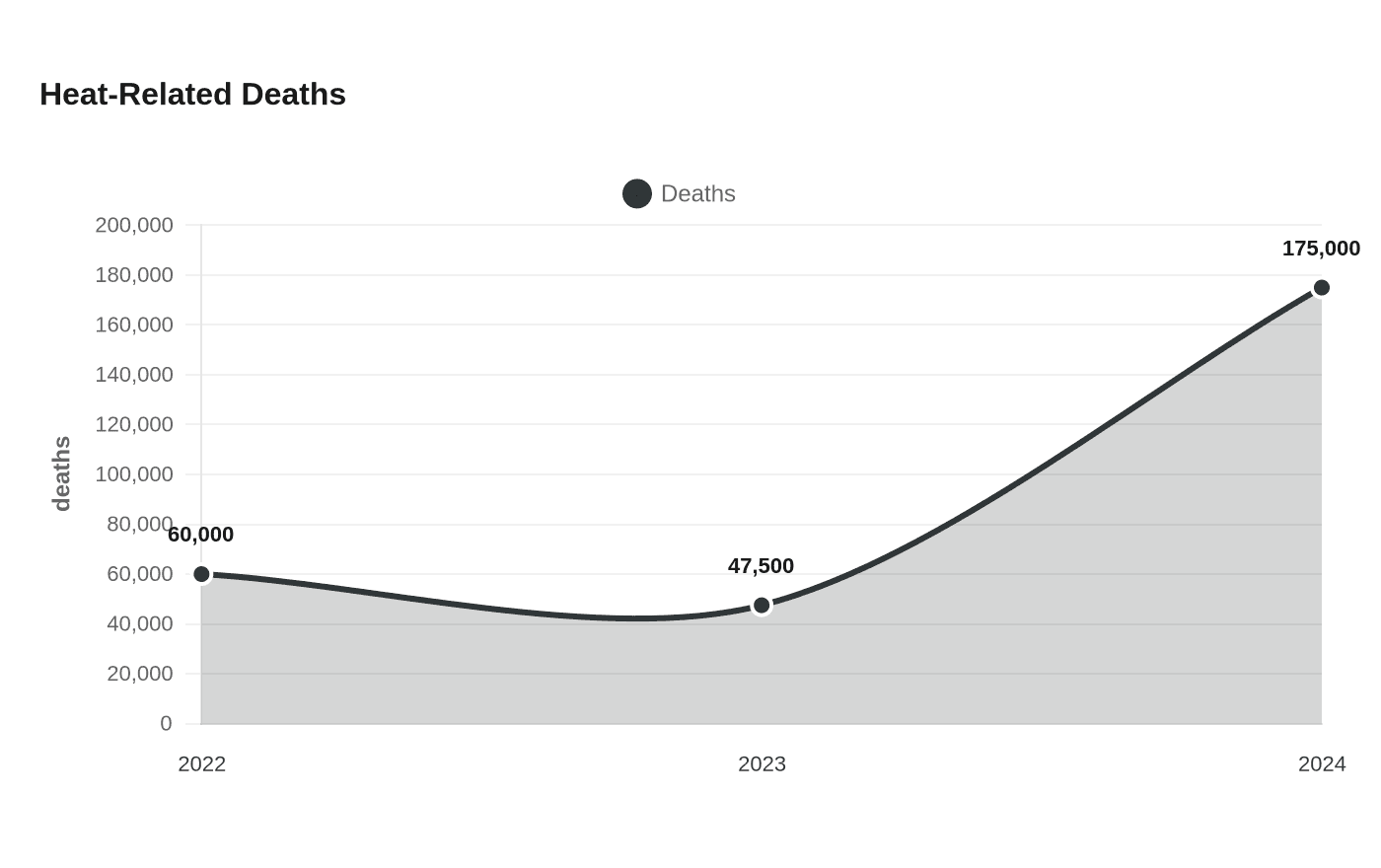
Heat-related deaths have risen over the past 20 years in almost all monitored countries in the region, WHO says. Heat claimed more than 60,000 lives in 35 countries in 2022 and 47,500 lives in 2023. In 2024, WHO said heat kills more than 175,000 people annually across the European Region.
Kluge said heat-related deaths in 2023 would have been around 80 percent higher without adaptation measures already in place. WHO said deaths among people aged 80 or older could have been twice as high without those measures. Around 60 percent of hospital admissions after emergency visits during the current heatwave involved patients aged 75 and older.
Extreme temperatures strain hospitals, drive up emergency calls, disrupt transport and power systems, and worsen dehydration and respiratory distress, especially when hot nights prevent people from recovering. The June 20 heatwave was the worst recorded in Europe, and UN agencies said the late-June event affected economic activity, infrastructure, agriculture and ecosystems while damaging power generation and overwhelming healthcare systems.
This article was produced by Prism’s automated news system from verified source data, official records, and press releases, then run through automated quality and moderation checks before publishing. The system is built and supervised by the people who set the standards it runs under. Read our full AI policy.
Did this article answer your question?