Yale study finds weight-loss drugs widely available online
Yale researchers found telehealth sites could dispense GLP-1 weight-loss drugs with little clinical screening, even as nearly 20% of users now get prescriptions online.
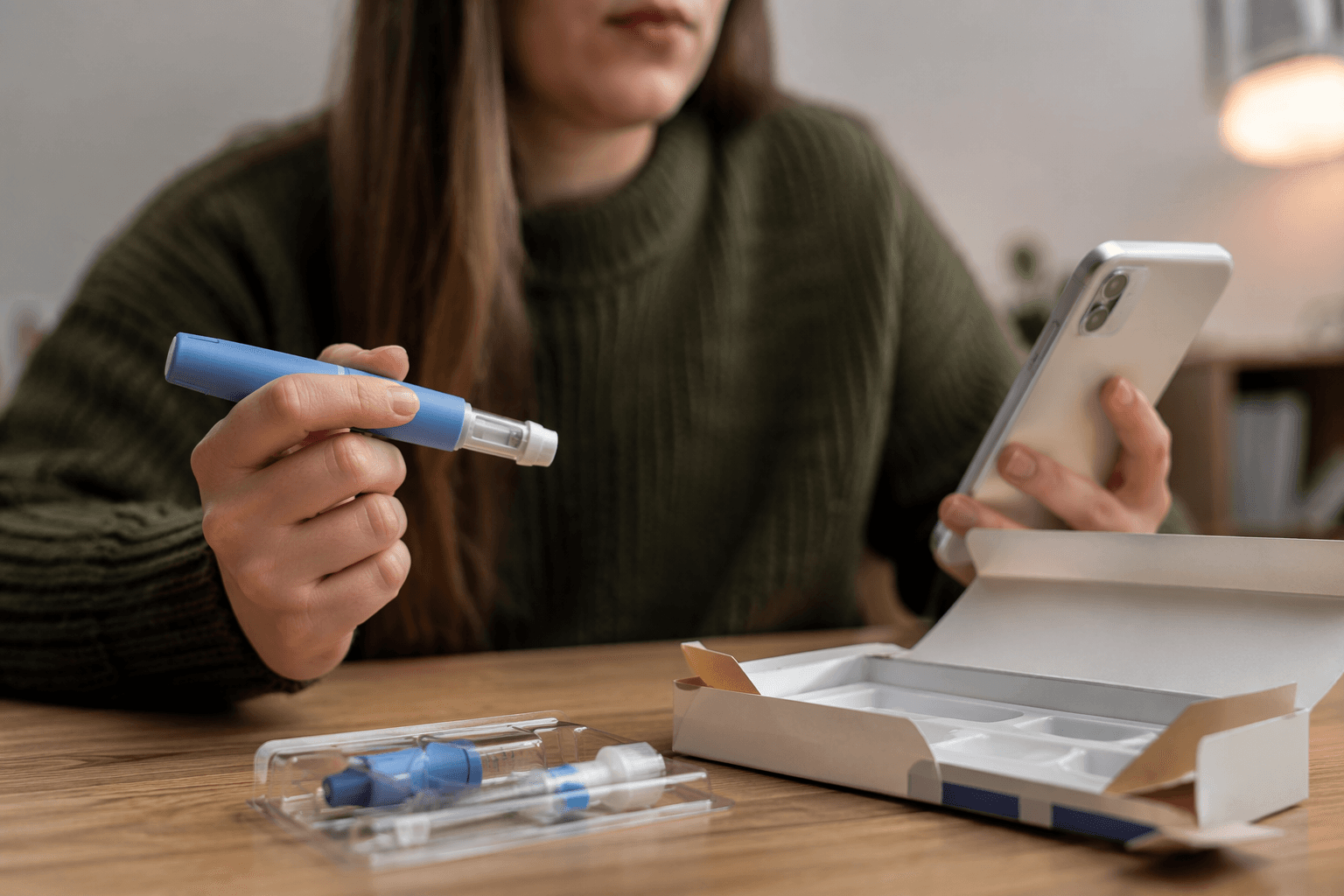
When sites requested full-body photos or scale photos, the shopper initially provided only upper-body images. A Yale-led secret shopper study found that online sellers were willing to move GLP-1 weight-loss drugs through telehealth sites with limited clinician interaction. Nearly 20% of adults taking a GLP-1 receptor agonist now obtain prescriptions online, the Yale researchers found.
The study, published online in JAMA on July 6, used a simulated patient who met GLP-1 eligibility criteria and tested previously identified websites between August and December 2025. The prescribing process often continued through patient-reported questionnaires rather than a robust medical visit.
GLP-1 drugs such as semaglutide and tirzepatide have become major obesity treatments, but they are expensive, hard to access and frequently routed through compounded versions sold by telehealth platforms partnered with compounding pharmacies. Online prescribing may not consistently assess patient goals, prior weight-management efforts, physical activity, diet, disordered eating, substance use, medical history, medications, blood work or physical examination.
Federal regulators have already moved against parts of that market. On March 3, the U.S. Food and Drug Administration issued 30 warning letters to telehealth companies over false or misleading claims about compounded GLP-1 products. Compounded drugs are not FDA-approved and are not reviewed for safety, effectiveness or quality before marketing.
The FDA has also warned consumers to watch for telehealth red flags, including claims that compounded products are the same as FDA-approved drugs, deep discounts that seem too good to be true, no screening by a licensed doctor, or no doctor available after delivery. Unapproved versions of semaglutide and tirzepatide can be risky, and compounded drugs should only be used when medical needs cannot be met by an FDA-approved drug.
The current market grew out of shortages. Semaglutide was the first GLP-1 receptor agonist added to the FDA drug shortages list in March 2022, and tirzepatide, dulaglutide and liraglutide later joined the list over the following year. Online advertising for compounded GLP-1 drugs can omit adverse effects, contraindications and other safety information.
This article was produced by Prism’s automated news system from verified source data, official records, and press releases, then run through automated quality and moderation checks before publishing. The system is built and supervised by the people who set the standards it runs under. Read our full AI policy.
Did this article answer your question?