WHO warns more hantavirus cases likely after cruise outbreak
An Andes virus cluster aboard a cruise ship has reached eight cases and three deaths, while Minnesota and federal officials track possible U.S. exposures.
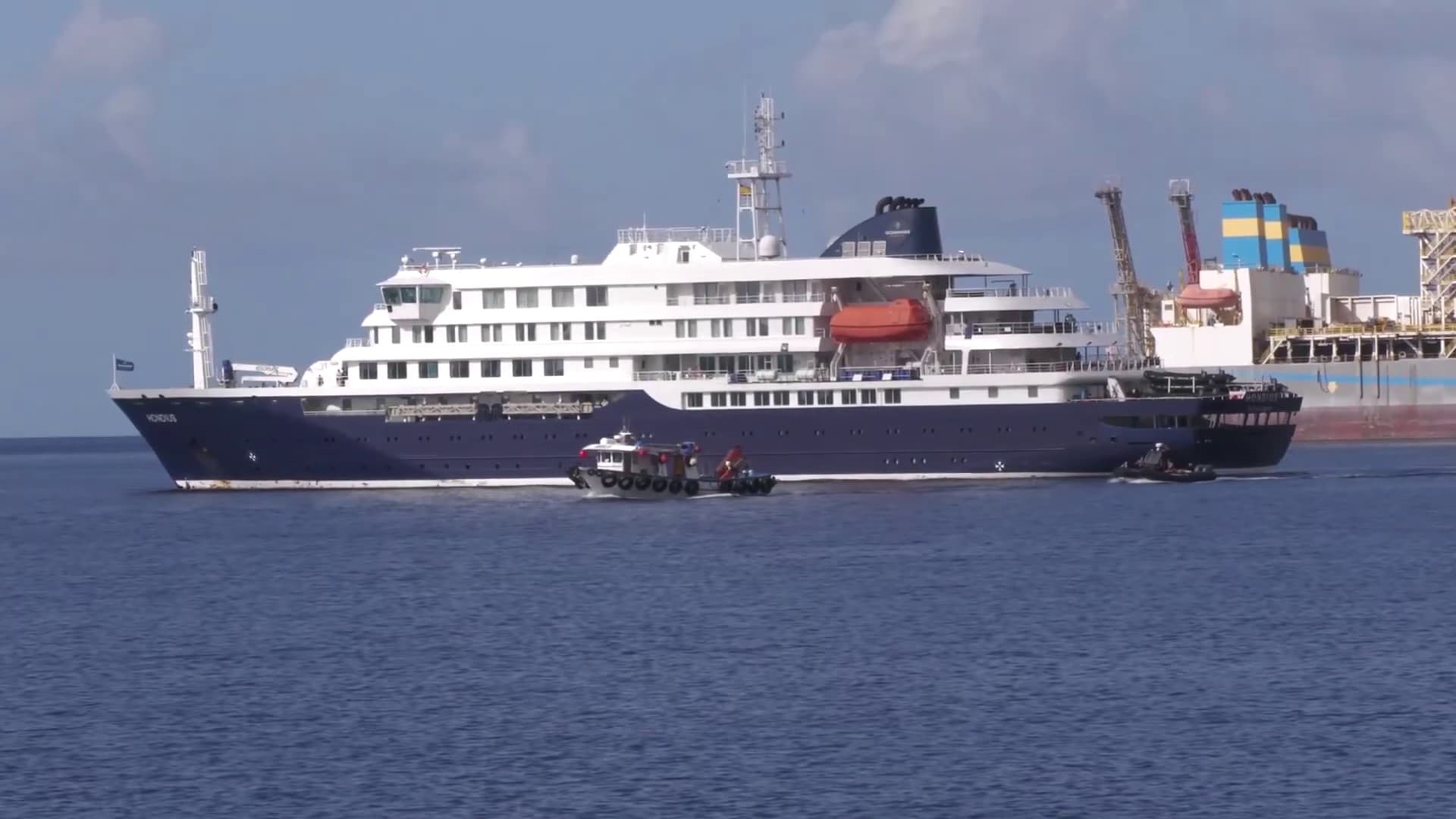
Health officials are following an unusual hantavirus outbreak aboard the Dutch-flagged MV Hondius after the cluster rose to eight cases, including three deaths, and spread concern across Europe, Africa and the United States. The World Health Organization said the global public-health risk remained low, while the risk to passengers and crew on the ship was moderate.
The vessel carried 147 people, including 88 passengers and 59 crew, when it left Ushuaia, Argentina, on April 1 and traveled through Antarctica, South Georgia, Tristan da Cunha, Saint Helena, Ascension Island and Cabo Verde. WHO said illness began between April 6 and April 28, with symptoms ranging from fever and gastrointestinal illness to rapid progression toward pneumonia, acute respiratory distress syndrome and shock.
The strain at the center of the outbreak is Andes virus, the hantavirus type WHO and the Centers for Disease Control and Prevention identify as the only one known to spread person to person under limited circumstances. That spread generally requires close, prolonged contact. Tedros Adhanom Ghebreyesus said the episode was “not the start of another COVID pandemic,” and Maria Van Kerkhove added, “This is not SARS-CoV-2.”
That distinction matters for U.S. readers. CDC said broad spread in the United States was considered extremely unlikely, but it still moved quickly to warn clinicians and health departments through a Health Alert Network advisory on May 8. The agency also said it was working to repatriate American passengers to a specialized facility in Nebraska, a sign that even a low-risk event can create a major tracing and isolation burden when travelers have crossed multiple borders.
Officials are still working through those gaps. WHO said one of its teams met the ship in the Canary Islands on May 7, and international contact tracing has extended to passengers who disembarked in Saint Helena and to people on a flight from Saint Helena to South Africa that included one of the later-confirmed cases. Two medical-evacuation flights from Cabo Verde carried symptomatic patients to the Netherlands on May 6 and May 7. By May 8, WHO said four patients were hospitalized, including one in intensive care in Johannesburg, two in different hospitals in the Netherlands and one in Zurich.
In Minnesota, health officials said on May 12 they were monitoring one resident who may have had brief overseas exposure. The person had no symptoms and was under daily monitoring. The Minnesota Department of Health has said hantavirus cases likely acquired in the state are rare, with only two since 1999. For now, the outbreak’s main lesson for the United States is not panic but vigilance: imported cases can surface after travel, and clinicians need to recognize them quickly.
Know something we missed? Have a correction or additional information?
Submit a Tip