Why Gen-4 Foam-Core Paddles Matter and What Asian Clubs Should Test
Selkirk Project 008, CRBN TruFoam and Joola Scorpeus IV are examples of Gen-4 foam-core paddles promising bigger sweet spots, less core crushing and engineered weight distribution—test them at club demo days.

Gen-4 marks a clear break from polypropylene honeycomb cores to paddles built entirely or primarily from foam. Nexpickleball summarizes it bluntly: "Quick Answer: Gen 4 pickleball paddles represent the latest generation in paddle design, emphasizing a 100% foam core1 coupled with advanced manufacturing techniques—hot pressing2, cold pressing3, and thermoforming4—to deliver unparalleled performance, durability, and player comfort."
The move to foam grew out of a manufacturing failure mode tied to thermoformed polymer cores. Paklepickleball explains that when manufacturers used "thicker-than-standard PP honeycomb in thermoformed paddles, the core’s structure could partially collapse during production." Over time "repeated impacts from gameplay further weakened the polymer honeycomb," producing paddles that became "too 'hot' (exceeding USAPA deflection limits)" and developed dead spots. That pressure pushed engineers toward foam cores as a structural solution.
How Gen-4 paddles are built matters for clubs deciding what to stock. Justpaddles reports these models use "specially engineered foam throughout the entire core" and notes the core can be designed to "float" slightly, altering flex patterns and energy transfer. Nexpickleball names hot pressing, cold pressing and thermoforming as manufacturing methods brands are using to control foam density and weight distribution. Pickleballnation lists specific offerings such as "CRBN’s TruFoam comes in 14mm thick for a solid grip," and mentions Selkirk shapes like Epic and Invikta as Gen-4 options.
On court, the consistent claims across outlets are concrete and measurable: foam cores resist "core crushing" and denting, increasing longevity; foam "distributes energy more evenly across the face, virtually eliminating dead spots" and creates an "Increased Sweet Spot." Thekitchenpickle calls the result "Enhanced Dwell Time – The ball stays on the paddle slightly longer, giving players more control over spin and placement," and reports a "Spin Monster – One of the highest RPM paddles on the market (consistently over 2100+ RPM)" as a performance benchmark mentioned in reviews near descriptions of TruFoam models.
There are tradeoffs. Multiple sources warn Gen-4 tends toward "Control-Oriented – More feel, less pop," and Paklepickleball cautions players used to "ultra-jumpy, power-loaded paddles (like the soon-to-be-banned JOOLA Mod-TA 15 or Gearbox Pro Power)" may find Gen-4 underwhelming for raw pop. Thekitchenpickle also flags cost: "The TruFoam Genesis is a pioneer of Gen 4 tech... The price tag ($280) is steep, but if the durability claims hold up, it could be a long-term win."
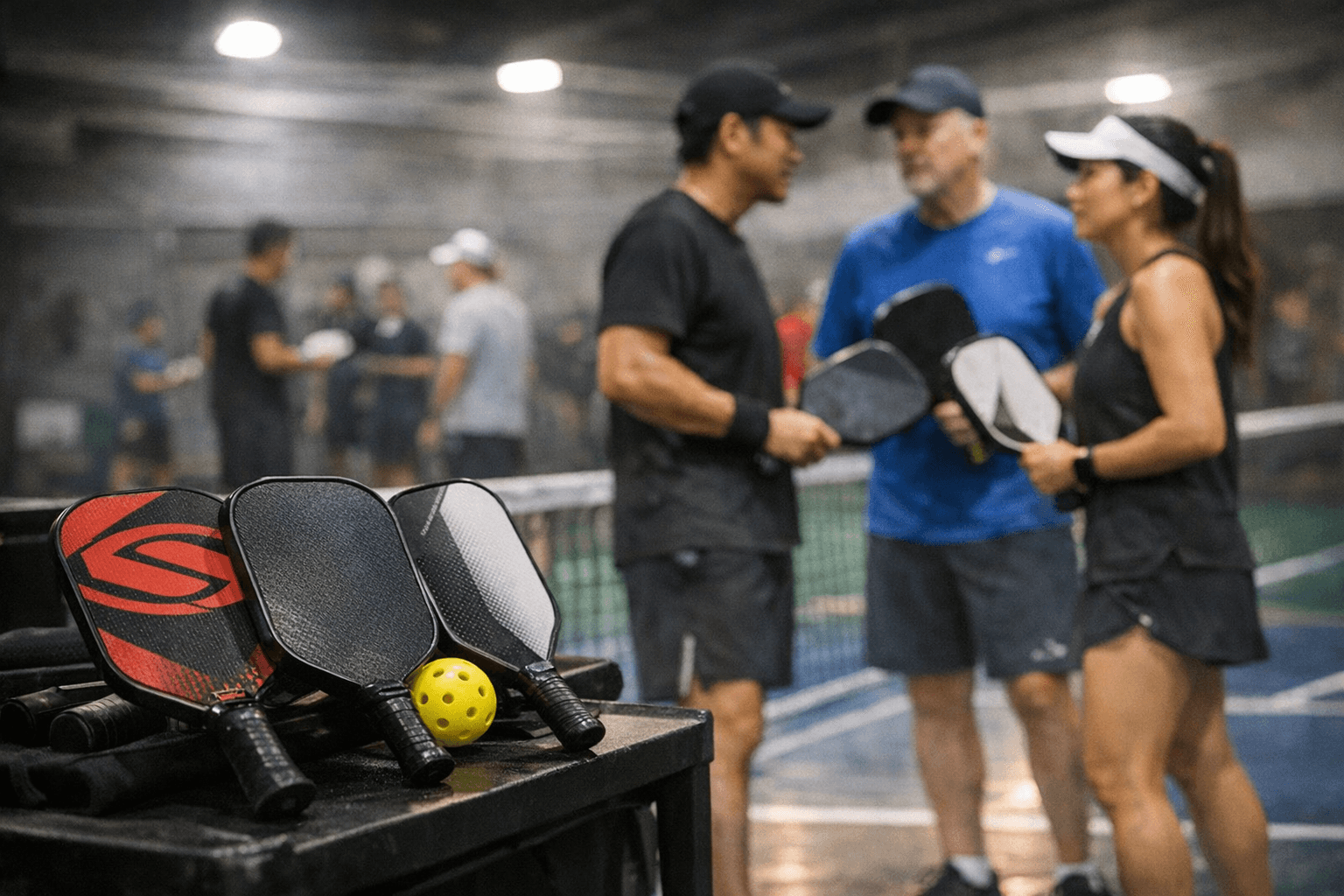
Asian clubs and pro shops should run focused tests rather than rely on vendor copy. Pickleballnation advises: "If you’re curious, chat with a player who’s tried one—or borrow one to feel it yourself." Practical tests should include a range of models on demo days — CRBN TruFoam, TruFoam Genesis, Selkirk Project 008 and 16mm Tour shapes, Joola Scorpeus IV — and capture both subjective feedback on feel, dwell time and control, and objective metrics where possible such as spin RPM and repeatability. Track early wear signs against manufacturers' warranty claims and ask suppliers for accelerated wear or lab test data.
Tournament legality and long-term durability remain open items. Pickleballnation reports "They’re approved for tournaments—CRBN’s got USA Pickleball’s okay, Selkirk’s on board, and Joola’s keeping it legal," but clubs should verify current approvals with regional governing bodies and request manufacturer test reports. Paklepickleball’s prediction of "Hyper-Customization – Brands will engineer foam blends for specific player profiles" suggests Gen-4 will diversify quickly; for Asian clubs that means stocking a mix now will reveal which foam blends survive heavy local play.
Know something we missed? Have a correction or additional information?
Submit a Tip