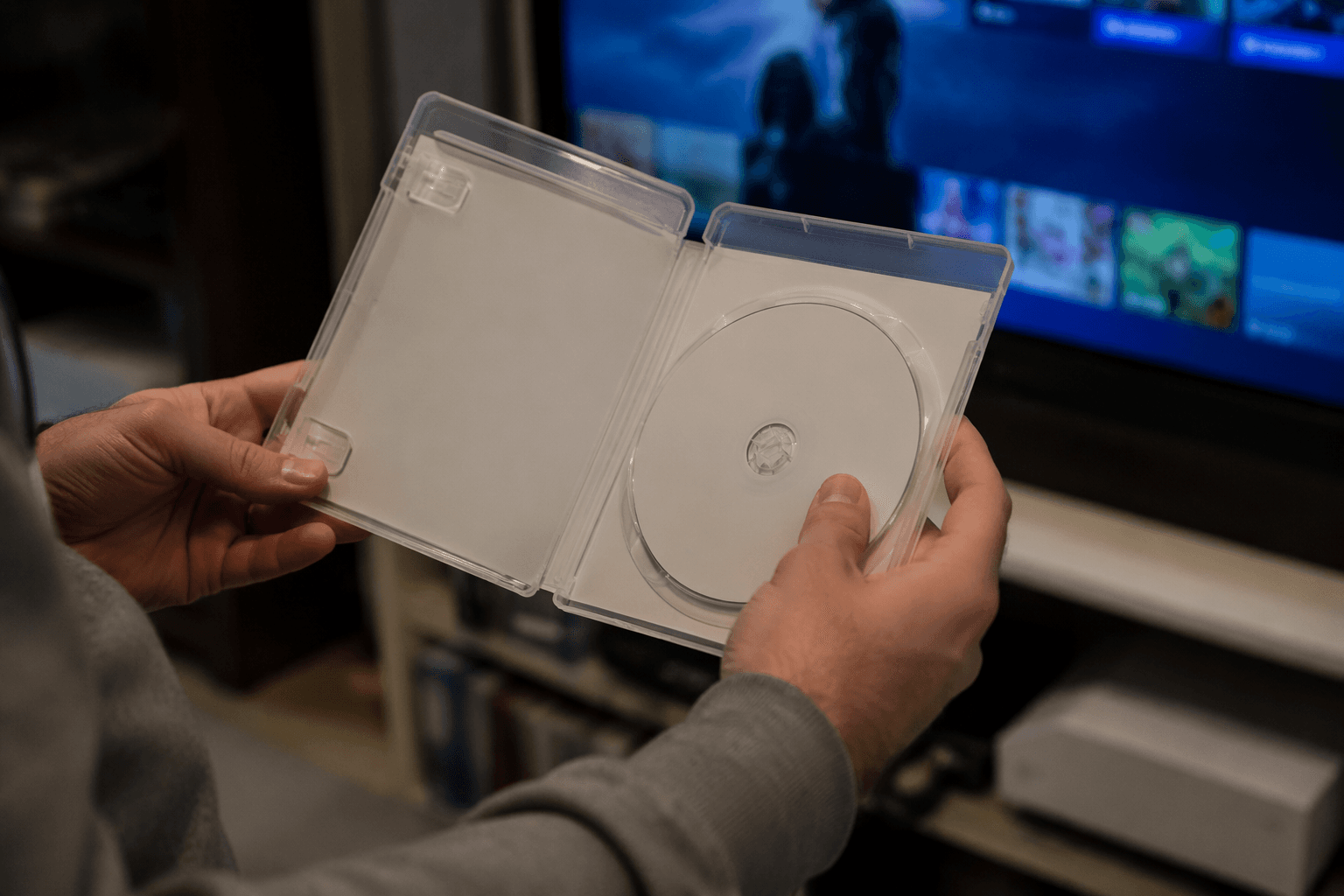
Why the Nintendo DS remains the best travel handheld
The Nintendo DS wins travel by being the least fussy handheld: long battery life, a protective clamshell, and games built for short bursts.

The best travel handheld is not the newest one. It is the Nintendo DS, a machine built around interruptions, cramped seats, and limited access to power. Long before handheld PCs turned portable gaming into a high-spec arms race, the DS solved the problem that matters most on a plane or train: how to keep playing without thinking about the device itself.
Why the DS still makes sense on the move
The DS, short for Dual Screen, was designed as a clamshell with two LCD screens, including a lower touchscreen that changed how players handled menus, maps, and inventory. That layout was not just a gimmick. Nintendo deliberately used the lower screen for secondary information and touch-based tasks, which meant less menu digging and more immediate play, exactly what travel demands.
The system also arrived with practical hardware that fit life in a bag. It included wireless connectivity, a built-in microphone, and PictoChat, a local communication feature for nearby users. Those details mattered because travel is full of small, unpredictable gaps, and the DS was built to fill them without setup friction.
Battery life is the real luxury
Battery life is where the DS separates itself from newer handhelds. Nintendo says the original DS can last about 10 hours depending on the game, which is already enough to cover a transcontinental flight, a long train ride, or a full day of stop-and-go use. The DS Lite pushed that further, with Nintendo listing 15 to 19 hours on the lowest brightness setting and about 5 to 8 hours on the brightest.
That range matters because travel gaming rarely happens under ideal conditions. Brightness, game type, and available charging all vary, and the DS was designed to stay useful across those variables. Nintendo also says the DS Lite can be recharged about 500 times and takes roughly three hours to top up, a practical balance for a device that was meant to be used hard rather than admired from a shelf.
Modern handhelds have made real gains, but they are solving a different problem. Valve’s current sales page for the Steam Deck OLED says it offers 30 to 50 percent more battery life than the LCD model and 3 to 12 hours of gameplay depending on content. That is better than before, but it also underlines the central tradeoff of current handheld PCs: more capability, more complexity, and battery life that still depends heavily on what you are running.
A library built for interruptions
The DS was never just a piece of hardware. It was a platform that matched travel rhythms better than most of what followed. Nintendo placed the lower screen so it could handle maps, inventory, and secondary viewpoints, which is a perfect fit for games that reward quick sessions rather than long stretches of uninterrupted focus. On a flight, that means you can close the system between beverage service and boarding announcements without losing your place in the same way a sprawling handheld PC game might demand.
PictoChat reinforced that low-friction design. It gave nearby users a simple way to communicate without a network, a subscription, or a second device. In airports, hotel lobbies, and rest stops, that kind of built-in social feature was more than a novelty. It turned the DS into something that could entertain one person and still feel connected to the room around them.
The business case for carrying an old handheld
The DS also won on value, and not only because it was cheap by modern standards. Nintendo announced the system for North America on September 20, 2004, with a November 21, 2004 launch date and a $149.99 price. Japan followed on December 2, 2004, Australia and New Zealand on February 24, 2005, and Europe on March 11, 2005. That rollout mattered because the DS was never a niche experiment; it was a mass-market device from the start.
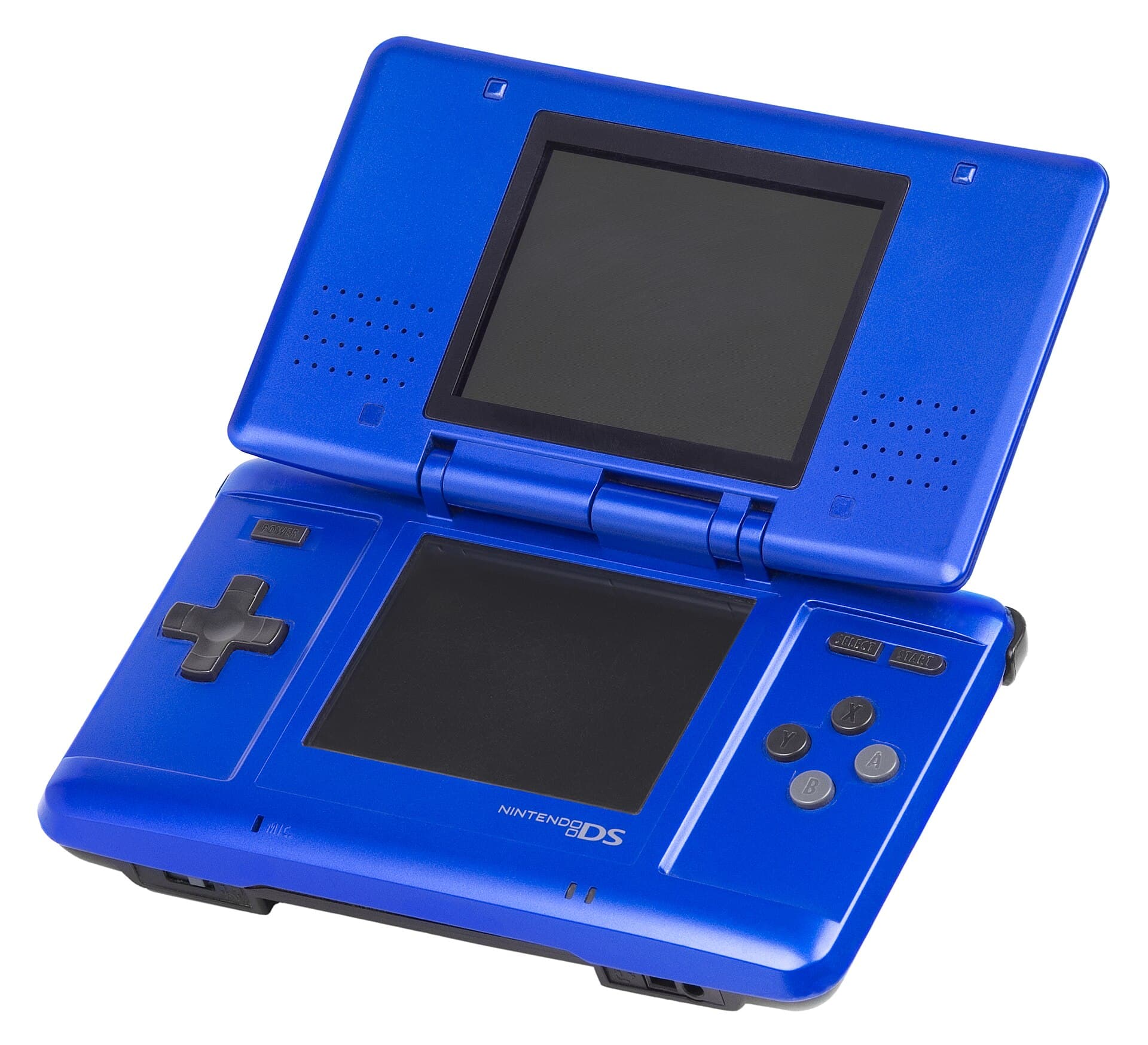
The sales record is just as telling. Guinness World Records identifies the Nintendo DS as the best-selling handheld videogame console of all time, with 154.02 million units sold worldwide as of September 30, 2022. Nintendo’s own hardware history has since moved on, and the Switch eventually surpassed the DS as Nintendo’s best-selling console overall in 2025. But that does not change the travel math. The DS family, which included the original DS, DS Lite, DSi, and DSi XL, stayed useful for years because its core design was aligned with how people actually play away from home.
Why newer handhelds have not solved the same problem
The current handheld market is richer than ever. The Steam Deck helped normalize handheld PCs, while devices like the Analogue Pocket made retro hardware feel newly polished and the Playdate carved out a small, eccentric lane of its own. Those machines are more ambitious than the DS in raw capability, but ambition is not the same as usefulness when you are wedged into an airplane seat or killing time before a connection.
What travelers need is not peak performance. They need a device that opens quickly, lasts long enough, survives being tossed into a carry-on, and handles games that respect short, fragmented sessions. The DS does all of that with a design that still feels unusually mature: the clamshell protects the screens, the dual-screen layout keeps information organized, and the battery life remains good enough to make charging a secondary concern. That combination is why an aging Nintendo DS still beats newer handhelds where it counts most.
This article was produced by Prism’s automated news system from verified source data, official records, and press releases, then run through automated quality and moderation checks before publishing. The system is built and supervised by the people who set the standards it runs under. Read our full AI policy.
Did this article answer your question?