Why the world can survive longer without Persian Gulf oil
A blocked Strait of Hormuz is forcing the energy system to adapt faster than expected. The pain is real, but so is the pressure to route around Persian Gulf dependence.

The chokepoint that exposes the system
The Strait of Hormuz is narrow enough to turn a regional crisis into a global stress test. At its tightest point, the passage is just 29 nautical miles wide, with two-mile shipping lanes in each direction and a two-mile buffer zone, yet it handles flows that keep factories running, homes heated and transport moving across continents. The U.S. Energy Information Administration says the strait averaged 20 million barrels per day of crude oil and petroleum products in 2025, a reminder that a relatively small waterway still carries an outsized share of the world’s fuel.
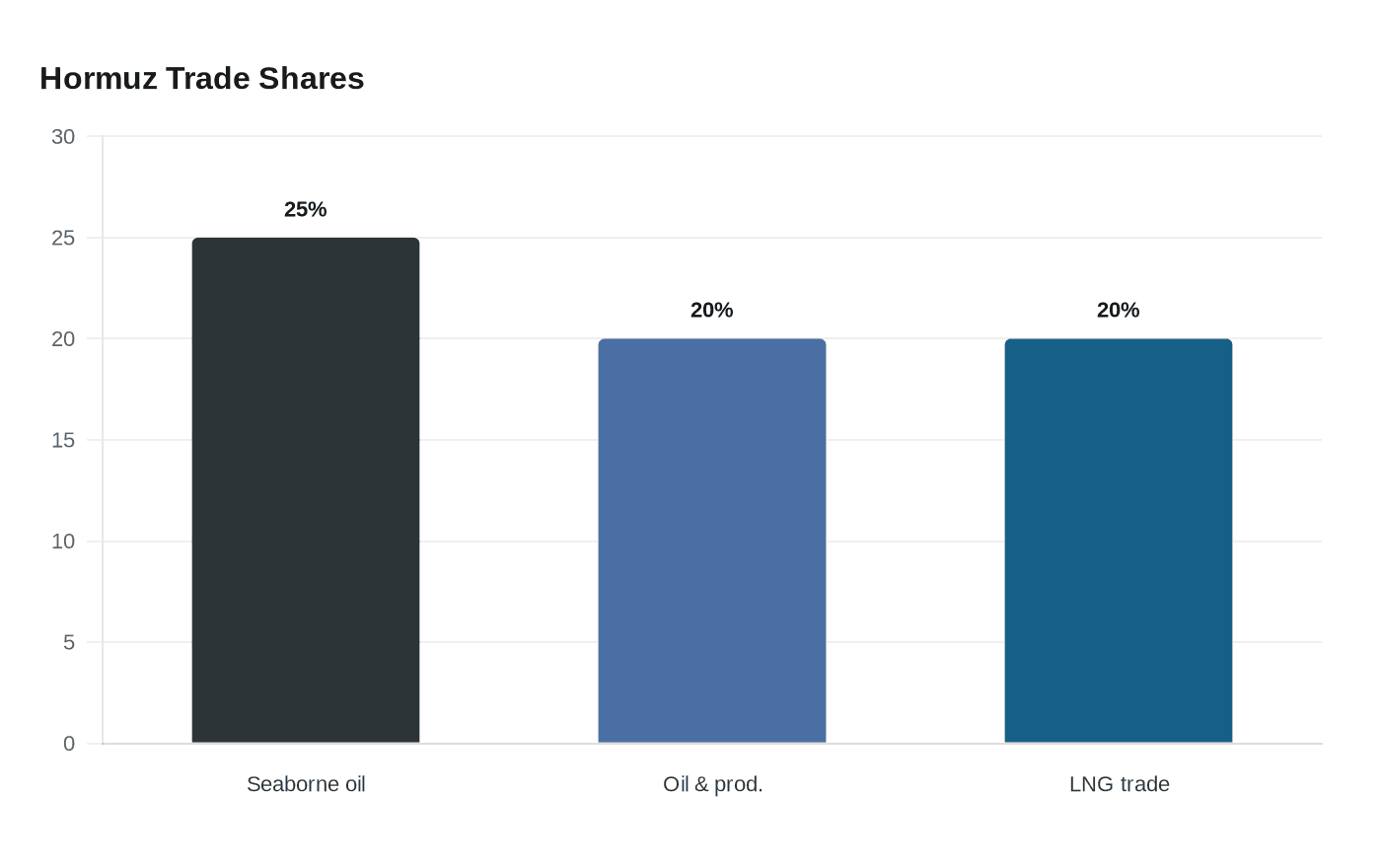
That dependence extends beyond oil. In 2024 and the first quarter of 2025, traffic through Hormuz made up more than one-quarter of total global seaborne oil trade and about one-fifth of global oil and petroleum product consumption. Around one-fifth of global liquefied natural gas trade also passed through the strait, mainly from Qatar. When that corridor is blocked, the shock does not stay confined to tankers in the Gulf; it reaches power systems, shipping schedules, household budgets and the inflation outlook.
Why the world can adapt longer than it once could
The most important point in this crisis is not that the world can do without Persian Gulf oil forever. It is that the longer the world operates without it, the more it learns how to keep moving without it. Markets, governments and refiners do not adjust cleanly or painlessly, but they do adjust, and each week of disruption pushes them to lean harder on reserves, rerouted cargoes, alternative export routes and new infrastructure.
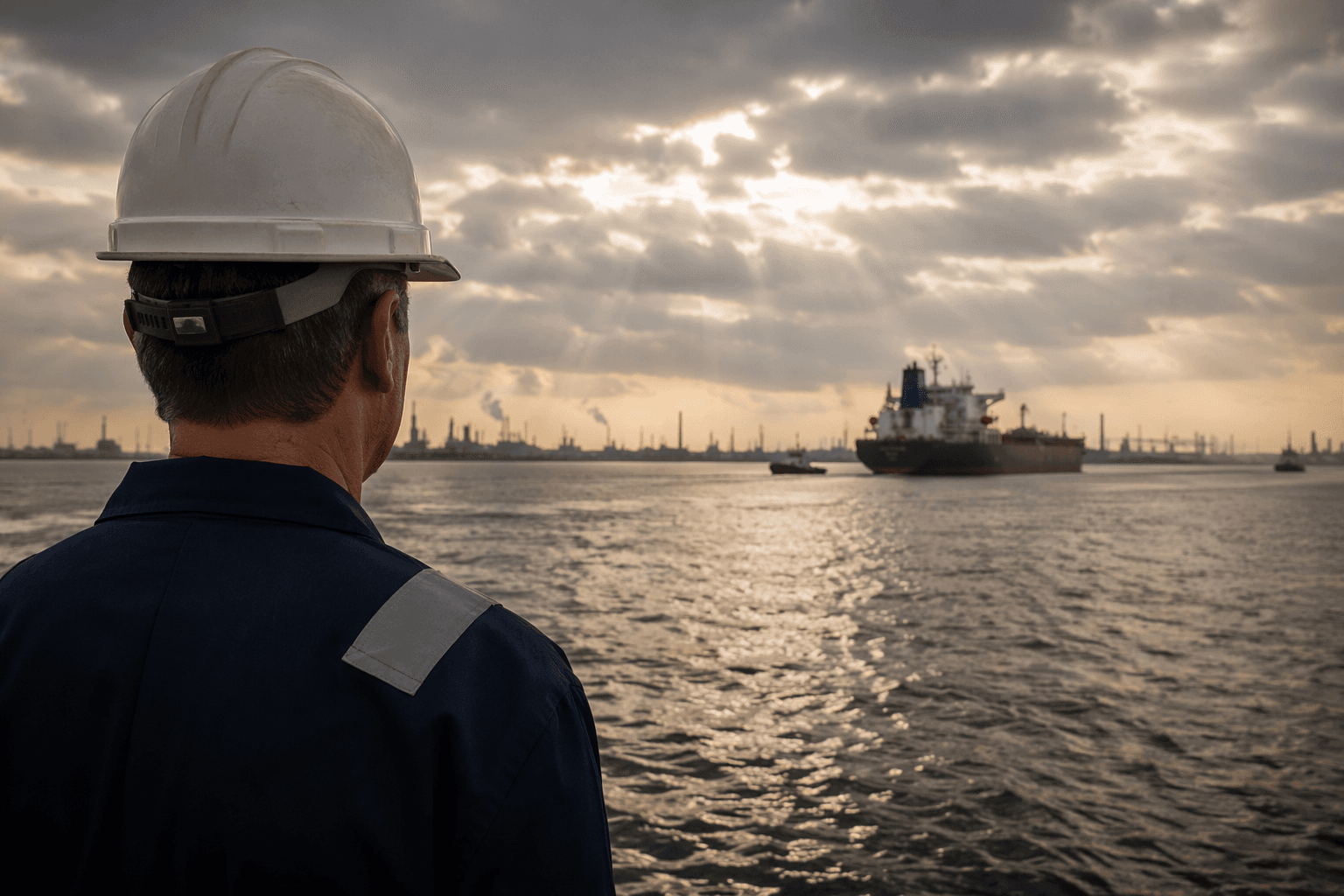
That shift matters for public health and social equity as much as for geopolitics. When oil prices jump sharply, the burden spreads through freight costs, food prices, heating bills and transit expenses, and those pressures land hardest on households with the least cushion. A prolonged blockade can become a cost-of-living crisis long before it becomes a balance-sheet story, which is why energy security is also a question of who absorbs the shock and who is protected from it.
The Tanker War remains the warning
There is a grim precedent for what happens when attacks on shipping in the Persian Gulf become sustained. During the Tanker War, the maritime phase of the Iran-Iraq War, attacks on merchant shipping in the Persian Gulf and the Strait of Hormuz intensified from May 1984 until the war ended in 1988. More than 100 merchant sailors were killed, and survivors from that period say the current crisis feels disturbingly familiar.
That history matters because it shows how quickly a shipping lane can become a battlefield and how long the memory of disruption can shape policy. Once governments, insurers, ship operators and energy buyers have lived through that kind of risk, they do not return to old habits unchanged. They look for redundancy, they pay for flexibility, and they treat the possibility of closure as something to engineer around rather than merely hope to avoid.
A 2026 stress test for the global energy order
The 2026 closure of Hormuz is not just another supply shock. The Dallas Federal Reserve described the shutdown after conflict erupted on Feb. 28, 2026 as a major geopolitical oil-supply shock, and the World Bank said the conflict and the near-total disruption of shipping through the strait triggered the largest oil market shock in history. Oil prices jumped sharply on closure reports, and forecasts warned that a prolonged shutdown could drive them far higher while adding pressure to inflation.
That kind of market reaction reveals the difference between an interruption and a structural test. If a blockade lasts only briefly, the global system scrambles and then snaps back. If it lasts long enough, the shock starts rewriting assumptions about which routes are reliable, which suppliers are indispensable and how much risk importers are willing to carry in the future.
How governments and producers are building escape routes
The most telling response has been pragmatic rather than rhetorical. Saudi Arabia, the United Arab Emirates and Iraq are expanding pipelines, rail links and storage so they can keep oil moving even if Hormuz is unavailable. Those investments do not make the strait irrelevant, but they do show that the region itself is trying to reduce the leverage of a single waterway over global supply.
That matters because infrastructure choices can harden into long-term trade patterns. A pipeline built to bypass a chokepoint, a storage network expanded to smooth deliveries, or rail links designed to bridge gaps in supply all make future detours easier to use. In that sense, the current blockade may be accelerating a lasting shift, not just in emergency planning but in how energy exporters and buyers think about dependence, redundancy and route security.
What lasting change could look like
If this disruption endures, the world will likely emerge with a more diversified, less fragile oil map. Some of the change will be visible in infrastructure, as Gulf producers keep funding workarounds that reduce their exposure to Hormuz. Some will be invisible but powerful, as refiners, shippers and governments adjust contracts, inventories and risk models to assume that the corridor can no longer be treated as permanently open.
The price of that adjustment is uneven, and that is the part policy makers cannot ignore. Wealthier systems can stockpile, reroute and absorb costs more easily than poorer ones, while ordinary consumers face the first and sharpest pressure from higher prices. The blockage of Hormuz is therefore not only a test of barrels and tankers, but of how fairly the global energy order can distribute the pain of adapting to a less certain Persian Gulf.
This article was produced by Prism’s automated news system from verified source data, official records, and press releases, then run through automated quality and moderation checks before publishing. The system is built and supervised by the people who set the standards it runs under. Read our full AI policy.
Know something we missed? Have a correction or additional information?
Submit a Tip