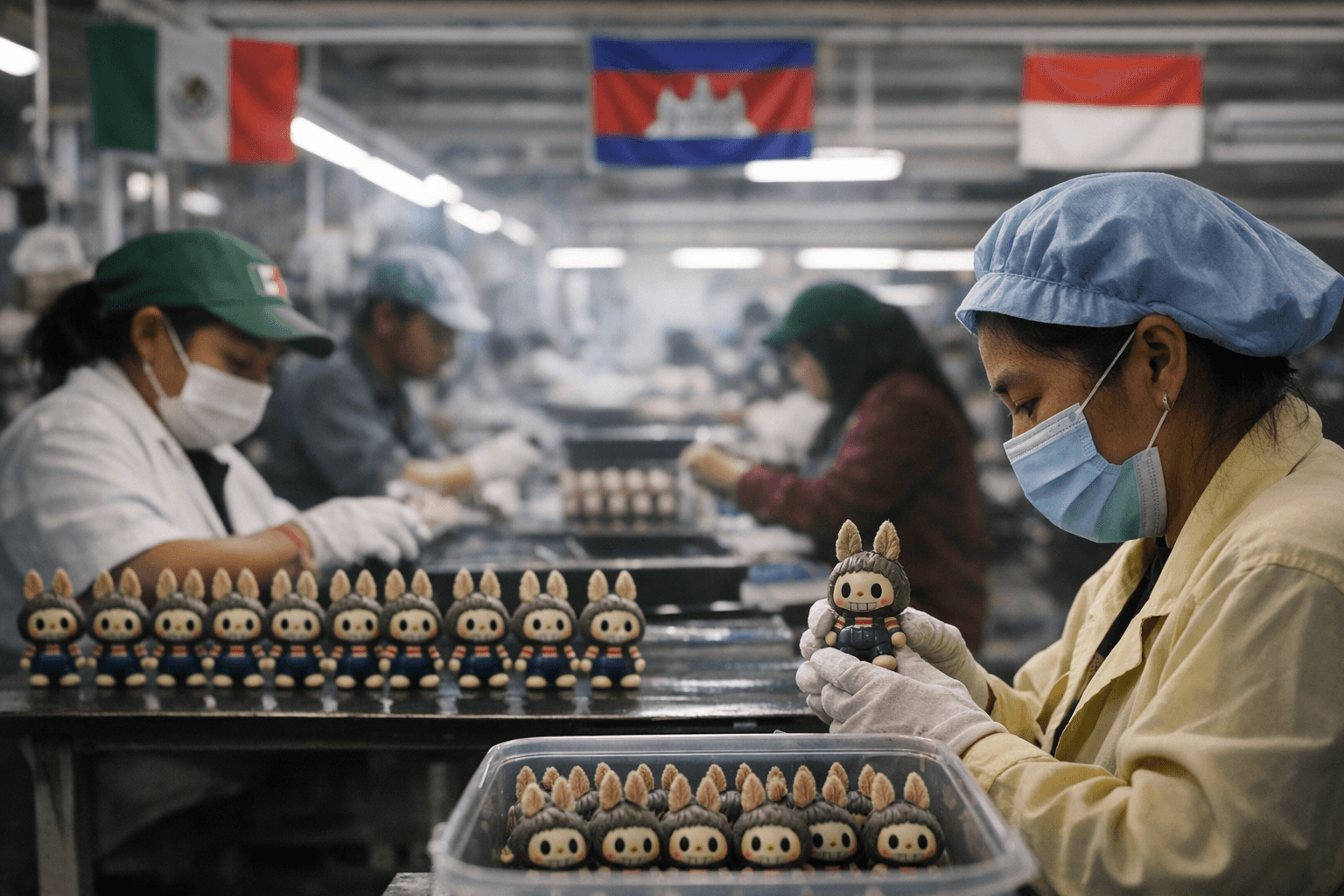
Will Labubu Craze Outlast Past Fads and Sustain Pop Mart's Growth
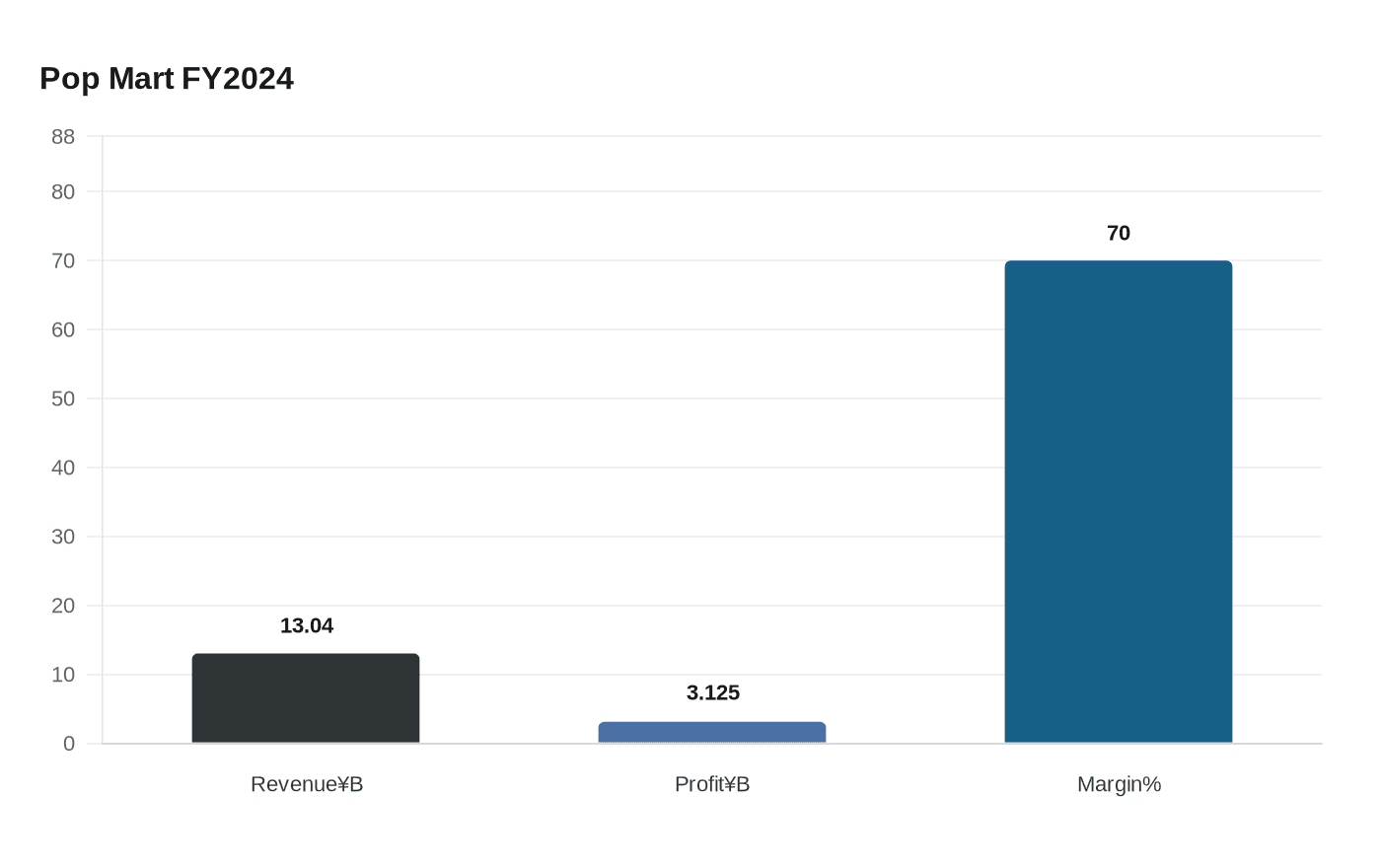
Pop Mart posted explosive growth in fiscal 2024 — revenue 13.04 billion yuan and net profit 3.125 billion yuan — even as SmartCompany flags shares “soaring” and a 70% margin claim.

SmartCompany has posed the central question shaping the Labubu conversation: "Will Labubu Craze Outlast Fads Like Pokemon Go?" That uncertainty sits alongside hard numbers from McMillanDoolittle showing Pop Mart’s recent scale. In fiscal year 2024 Pop Mart reported total revenue of 13.04 billion yuan and a net profit that nearly tripled to 3.125 billion yuan, figures McMillanDoolittle describes as explosive and tied to domestic demand and expansion into Southeast Asia, Europe, and the U.S.
The character at the center of that growth began on paper. Prestigeonline traces Labubu to Hong Kong illustrator Kasing Lung, created as a concept in 2015 and turned into a Pop Mart vinyl figure in 2019. Prestigeonline captures the cultural surprise of that trajectory with a line readers inside the hobby already repeat: "Nobody could’ve predicted that a snaggle-toothed imp from a Hong Kong illustrator’s notebook would become the defining status symbol of 2025."
Pop Mart’s playbook is familiar to collectors: blind boxes, storytelling, and engineered scarcity. McMillanDoolittle summarizes the mechanics bluntly: "The story of Pop Mart is not just about toys—it’s about the power of storytelling, emotional connection, and strategic scarcity." The firm places Labubu alongside earlier phenomenon-era items such as Cabbage Patch Dolls, Beanie Babies, Hello Kitty, Pokémon Cards, and more recently Stanley Tumblers as evidence that physical products can become cultural currency.
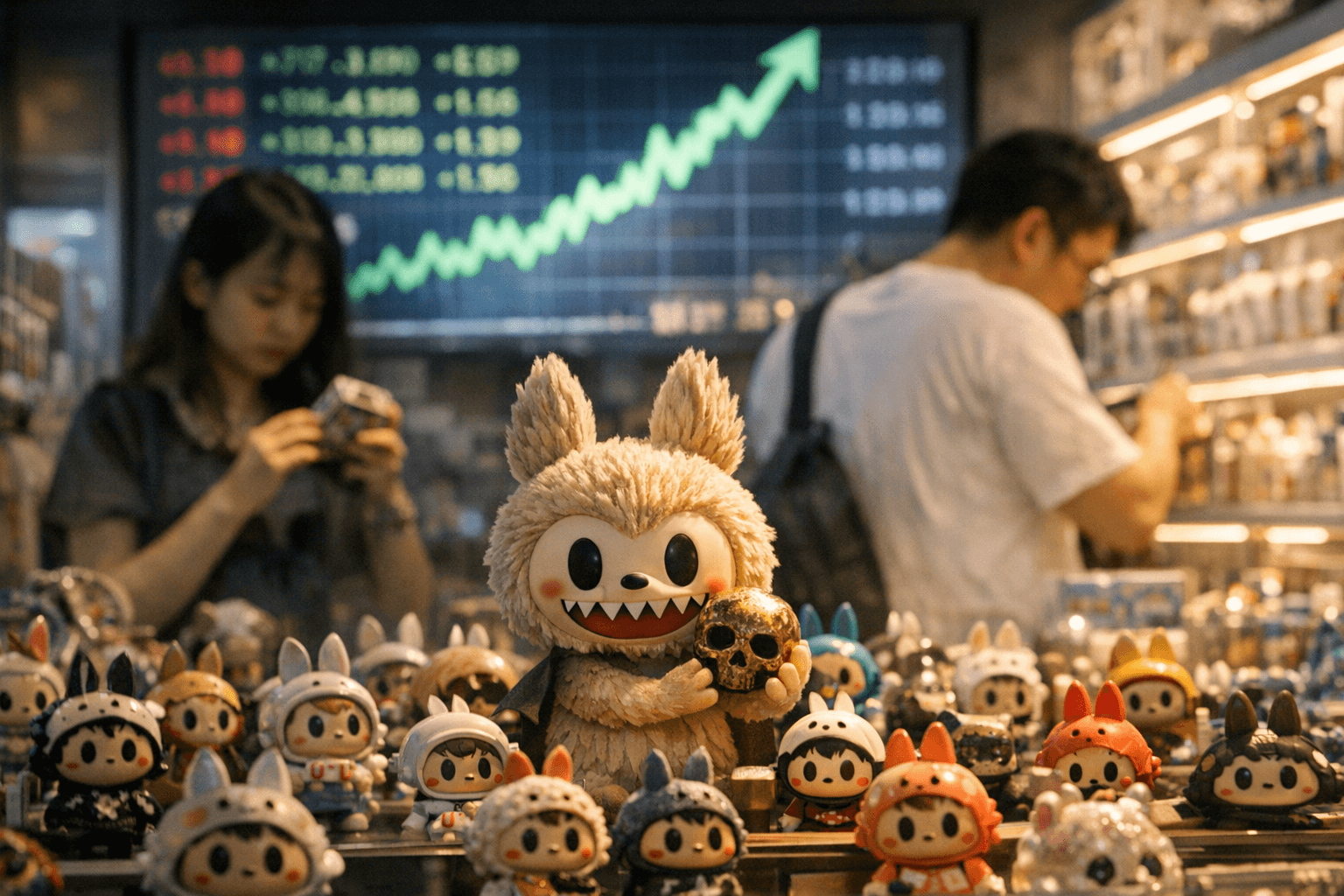
That currency has shown up on balance sheets and markets. McMillanDoolittle notes Pop Mart listed on the Hong Kong Stock Exchange in 2020 and tracks the fiscal 2024 surge. SmartCompany adds market signals of its own, saying Pop Mart’s shares have "soared" and reporting margins at 70%, though the margin type and timeframe were not specified in the excerpted briefing. McMillanDoolittle also credits social media with turning Labubu into "a cult figure," amplifying demand across geographies named for expansion.
Where analysts diverge is on durability. Prestigeonline argues the craze is evolving into infrastructure rather than fading: "This isn’t hype in decline. It’s hype in transformation. The Labubu trend is evolving from object to ecosystem. It’s becoming a cultural platform, one that sits at the intersection of fandom, fashion, food, gaming, events and commerce." Prestigeonline goes further, suggesting Labubu could multiply sideways into high design, media, classrooms, and local markets, and compares the ambition to Hello Kitty and Pokémon.
McMillanDoolittle tempers that optimism with a strategic caveat, observing that Pop Mart must "balance its cult roots with global ambition" as it scales. SmartCompany’s framing of toy market volatility and the Pokemon Go comparison underscores the risk that engineered scarcity and social mania can be ephemeral. The near-term fact remains that Pop Mart converted Labubu from a 2015 sketch into a revenue engine by 2024, but the longer arc will be decided by whether Pop Mart can convert collectible heat into an expandable IP platform while maintaining the emotional connection that first made collectors chase the blind box.
Know something we missed? Have a correction or additional information?
Submit a Tip