Williams says lower oil prices ease near-term inflation worries
Lower oil prices have eased John Williams’ near-term inflation worries, but he left the Fed’s rate path unchanged as core price pressures stay sticky.

John Williams said lower oil prices had made him a little less worried about near-term inflation pressures, but he gave no hint that the shift had changed the Federal Reserve’s next move on interest rates. The New York Fed president said policy was well positioned to meet the central bank’s employment and price-stability goals and declined to say whether the next move in rates would be up or down.
The Federal Open Market Committee left the federal funds target range at 3.5% to 3.75% on June 17. The committee said in its statement that inflation remained elevated relative to its 2% goal and cited supply shocks that had pushed up prices in sectors including energy. Economic activity was expanding at a solid pace even as uncertainty stayed elevated, in part because of Middle East conflict.
Williams tied the easing in inflation pressure to a calmer energy backdrop, saying some of the upward pressure had faded as tensions involving the United States, Israel and Iran moderated and Washington and Tehran kept talking.
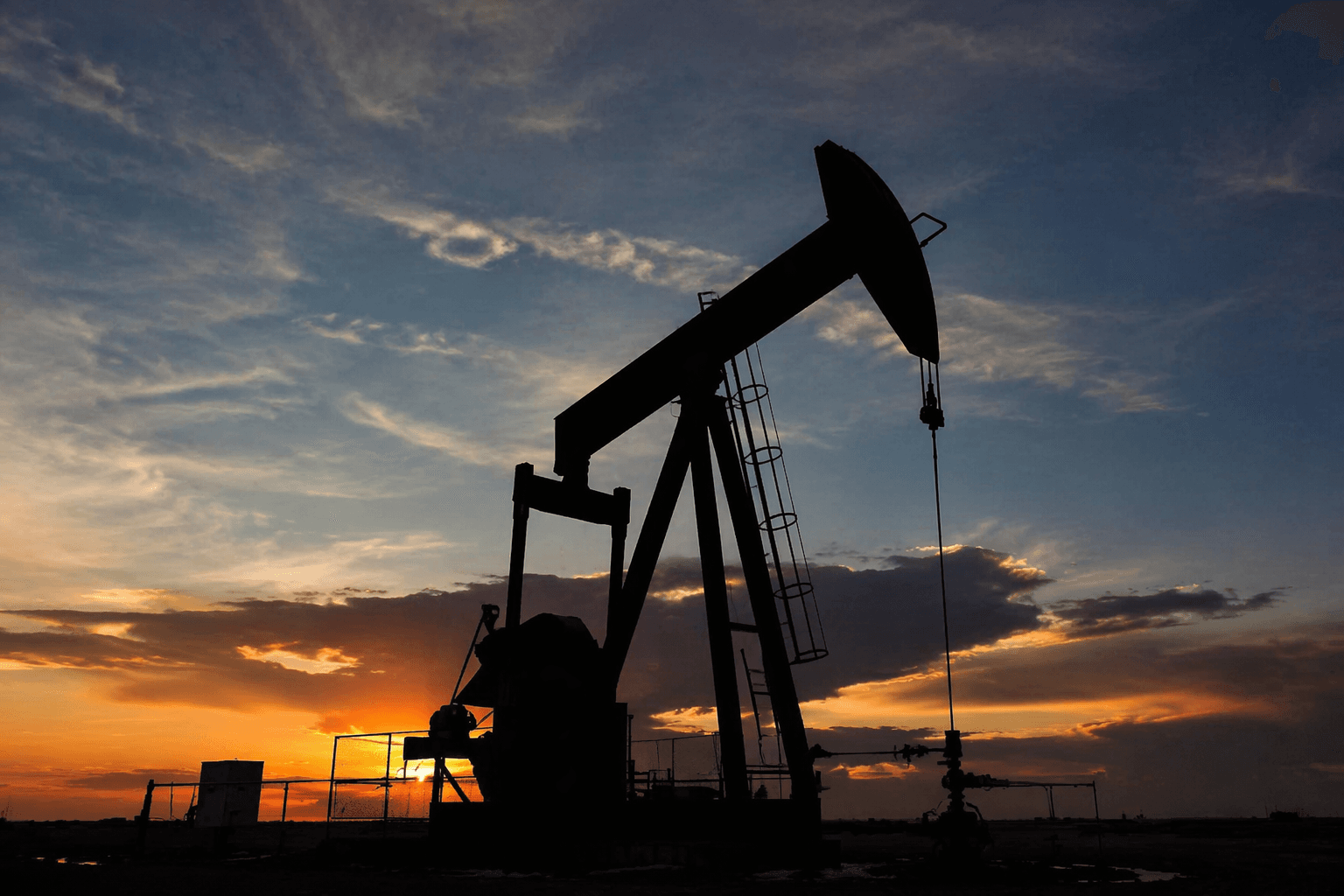
The Energy Information Administration’s latest Short-Term Energy Outlook forecasts that lower crude prices will cut U.S. retail gasoline prices by about 41 cents a gallon in the third quarter of 2026 from the second quarter, leaving the average just under $3.80 a gallon. The forecast was completed July 1, and FRED data put West Texas Intermediate crude at $71.87 a barrel on June 29.
Williams also said the economy continued to grow solidly and that labor-market risks had stabilized. The Fed’s April 28-29 minutes said Treasury yields had risen since the start of the Middle East conflict because investors expected higher inflation.
This article was produced by Prism’s automated news system from verified source data, official records, and press releases, then run through automated quality and moderation checks before publishing. The system is built and supervised by the people who set the standards it runs under. Read our full AI policy.
Did this article answer your question?