Wimbledon eases phone rules but refuses to show World Cup matches
Wimbledon kept Henman Hill football-free for the World Cup, but it loosened phone enforcement so fans can watch matches on their own devices.

Wimbledon will not show World Cup matches on any screens around the grounds, but fans will be allowed to follow the football on their phones as long as they do not disrupt play. Sally Bolton, the All England Club’s chief executive and now in her final year, said the football-free policy will also extend to the players’ lounge, where matches will not appear on athletes’ televisions.
The decision leaves Wimbledon’s hard line on communal screening intact even as it relaxes how strictly its device rules are applied in practice. Under the club’s normal regulations, phones, tablets and other electronic devices must be switched off in and around the courts of play. During the World Cup clash, though, the club will not stop spectators from watching on mobile devices if they keep the experience from disturbing others.
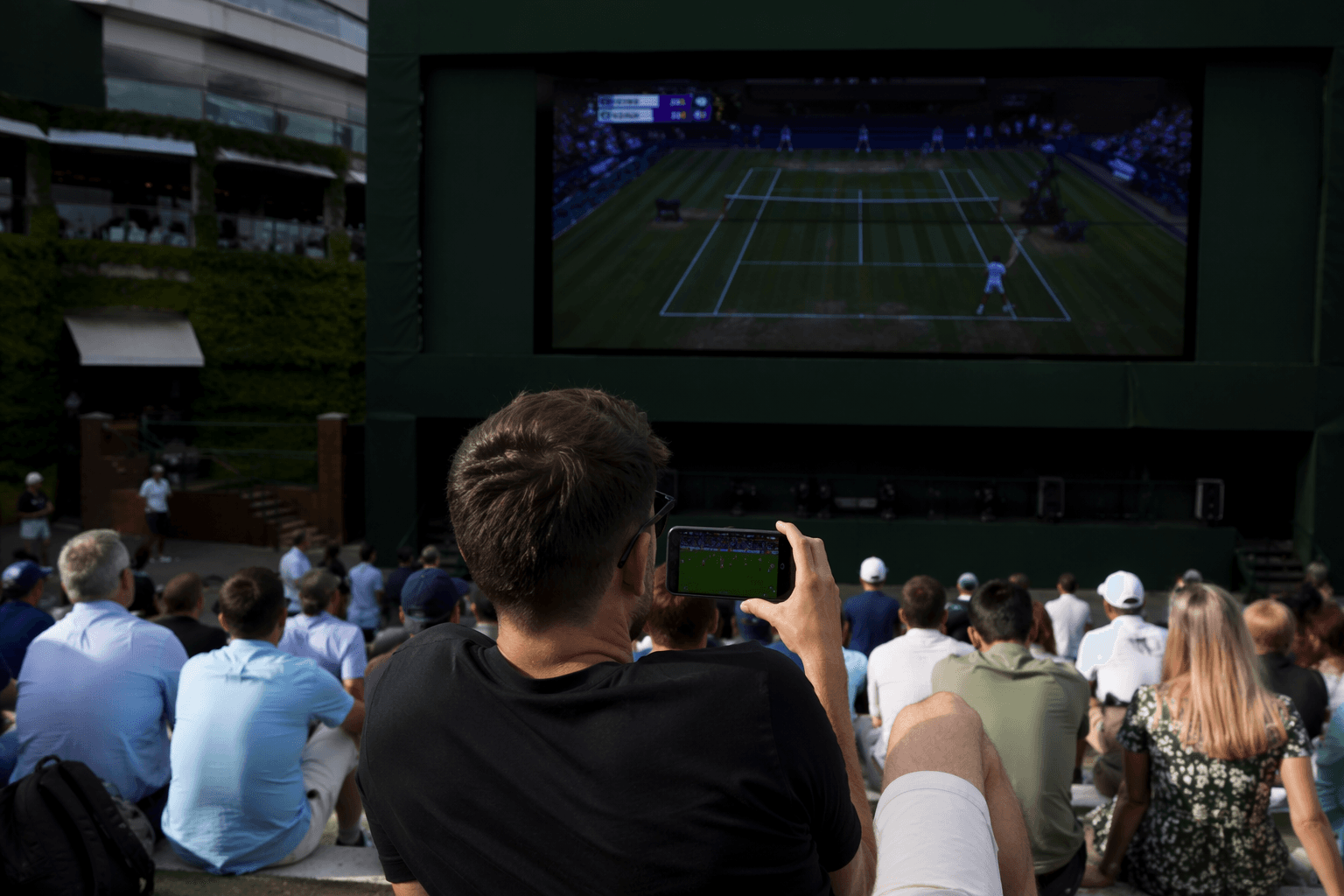
England’s first knockout match is scheduled for Wednesday at 5 p.m. BST against the Democratic Republic of Congo, and as many as 17 World Cup ties could overlap with Wimbledon’s schedule. The overlap has revived a familiar problem for SW19: how to preserve the tournament’s etiquette and still respond to fans who want to track a major sporting event while sitting on the lawns and in the stands.
This is not the first time Wimbledon has bent its rules for football. When the Championships coincided with England’s World Cup run in 2018, the club relaxed its device policy as supporters followed England’s 2-1 semi-final loss to Croatia on their phones. At the time, some spectators welcomed the flexibility; others objected that screens would distract from the tennis or cheapen the atmosphere.
Bolton’s decision also lands in a period of broader change at the All England Club. She is due to step down after The Championships 2026, after overseeing Wimbledon’s return after the pandemic and a 14-day Championships format. The club is also preparing to redevelop Henman Hill after the 2026 tournament, with completion expected in 2027, adding seating and improving sightlines, accessible viewing and wheelchair access.
The contrast is striking. Wimbledon has protected the rituals that define its identity, but it has also updated what it must to keep pace with modern crowds. Even as it refuses to put the World Cup on big screens, it is signaling that some traditions can soften when the pressure from fans, scheduling and a globally connected audience becomes too strong to ignore.
This article was produced by Prism’s automated news system from verified source data, official records, and press releases, then run through automated quality and moderation checks before publishing. The system is built and supervised by the people who set the standards it runs under. Read our full AI policy.
Did this article answer your question?