Wingtech sues Nexperia in China, seeks $1.18 billion in losses
Wingtech demanded 8 billion yuan from Nexperia in China, turning a Dutch takeover fight into a broader battle over who controls strategic chip assets.

Wingtech Technology has taken its fight over Nexperia into a Chinese court, seeking about 8 billion yuan, or $1.18 billion, in compensation for economic losses after years of tightening restrictions on its control of the Dutch chipmaker. The case, accepted by the Dongguan Intermediate People’s Court, targets Nexperia B.V. and five other entities and relies on China’s Anti-Foreign Sanctions Law, a legal move that turns a corporate ownership dispute into a test of political pressure in the global semiconductor industry.
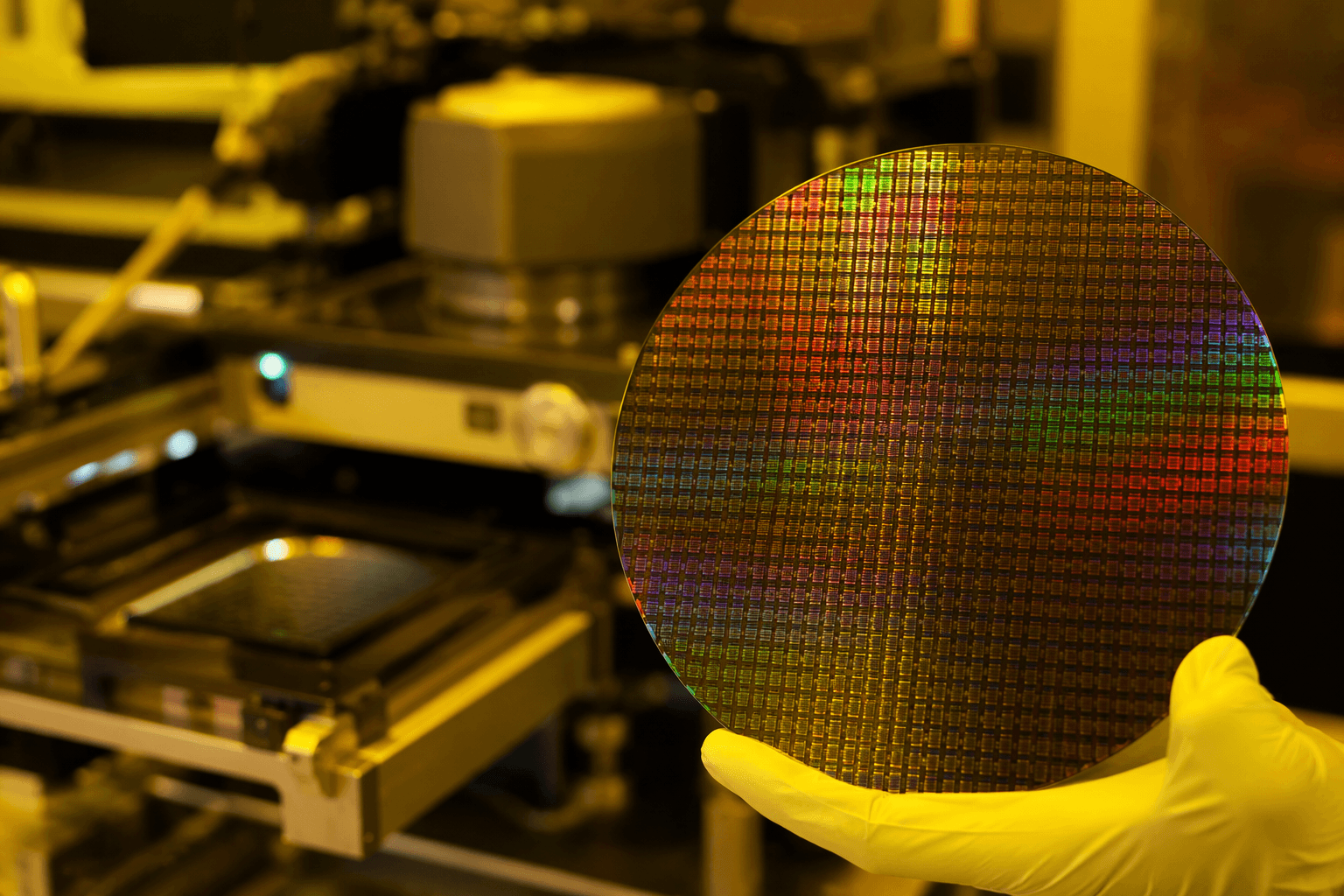
The filing marks another escalation in a conflict that has become far bigger than one company’s balance sheet. Nexperia, based in Nijmegen, supplies chips used in automotive and consumer electronics, parts of the market where even brief disruptions can ripple through factories and vehicle production lines. Wingtech’s claim shows how ownership of a strategic asset no longer guarantees operational control when governments step in over security and supply-chain concerns.
The dispute intensified after the Dutch government invoked the rarely used Goods Availability Act in October 2025 to take control of Nexperia, citing worries that technology could be transferred to Wingtech and saying the intervention was needed to keep supply available in Europe. Wingtech’s Shanghai-listed shares fell about 10% after that move, a sign of how quickly political intervention can hit market value when semiconductor assets sit at the center of industrial policy.
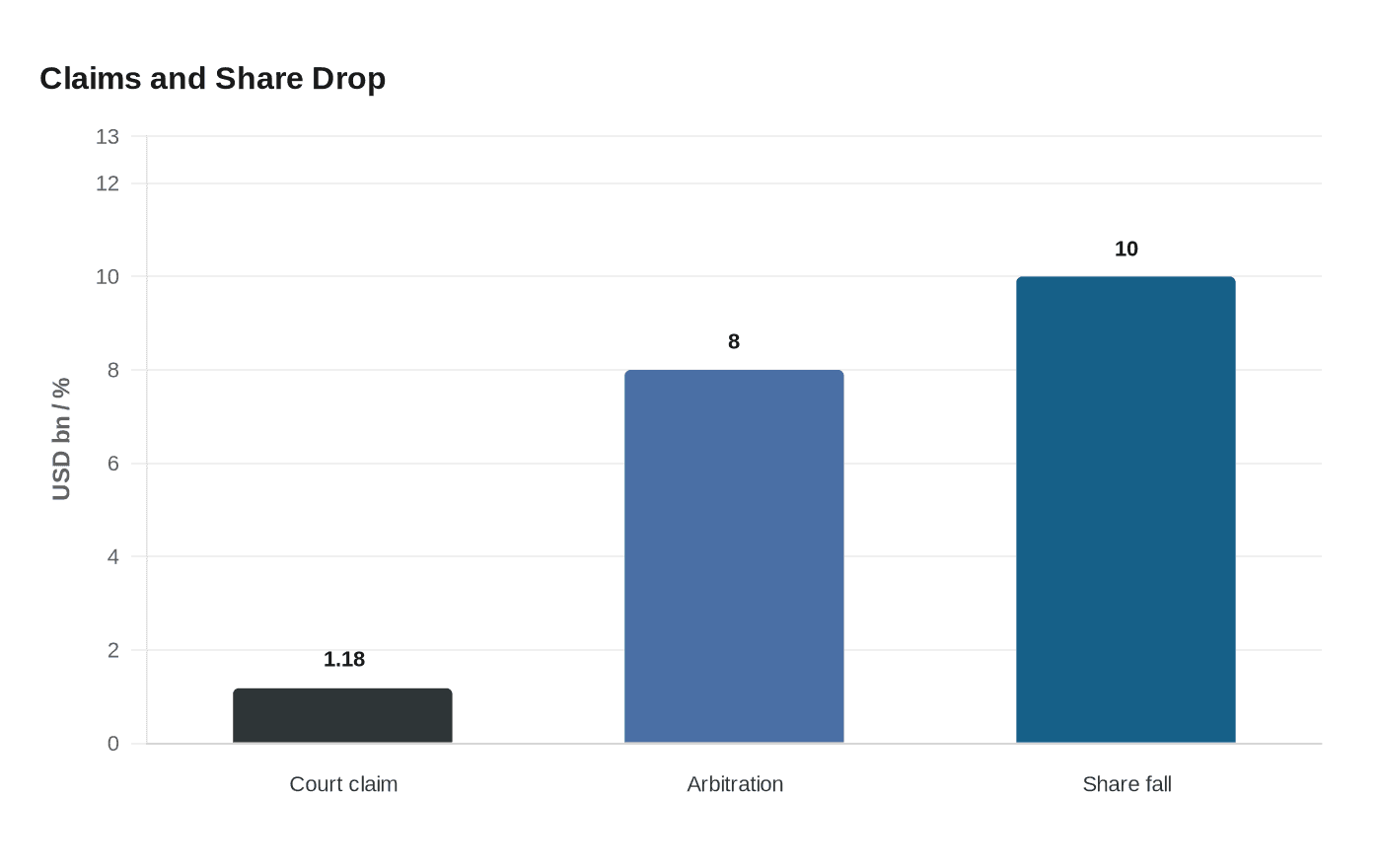
Wingtech has already pushed the fight beyond Chinese courts. In May 2026, it said it would begin international arbitration under the Netherlands-China investment treaty and seek more than $8 billion in damages over the Dutch intervention. The new lawsuit in Dongguan adds another layer of legal pressure, suggesting the company is trying to force the issue on multiple fronts at once: in court, in arbitration and in the broader political debate over foreign control of technology assets.
Nexperia has resisted that approach, saying it had repeatedly invited Wingtech leadership to engage in open dialogue and that the new litigation was not constructive. The standoff now leaves Nexperia’s global network in prolonged uncertainty, with governance and operations clouded by Dutch intervention, Chinese legal action and the wider struggle over who gets to control strategic chips at a time when Western governments are increasingly treating semiconductor ownership as a national-security issue.
This article was produced by Prism’s automated news system from verified source data, official records, and press releases, then run through automated quality and moderation checks before publishing. The system is built and supervised by the people who set the standards it runs under. Read our full AI policy.
Did this article answer your question?

%3Amax_bytes(150000)%3Astrip_icc()%2FCertificate-of-deposit-2301f2164ceb4e91b100cb92aa6f868a.jpg&w=1920&q=75)
