WNBA whistles rise as league cracks down on physical play
Fouls are up to 21.6 a game, but free throws have barely budged as the WNBA tests a tougher line on physical play.

The early answer to the WNBA’s crackdown on physical play is showing up in the foul count. Teams averaged 21.6 fouls in the opening week of the 2026 season, up from 19.9 at the same point a year ago, but the change has not yet produced a dramatic spike in trips to the line.
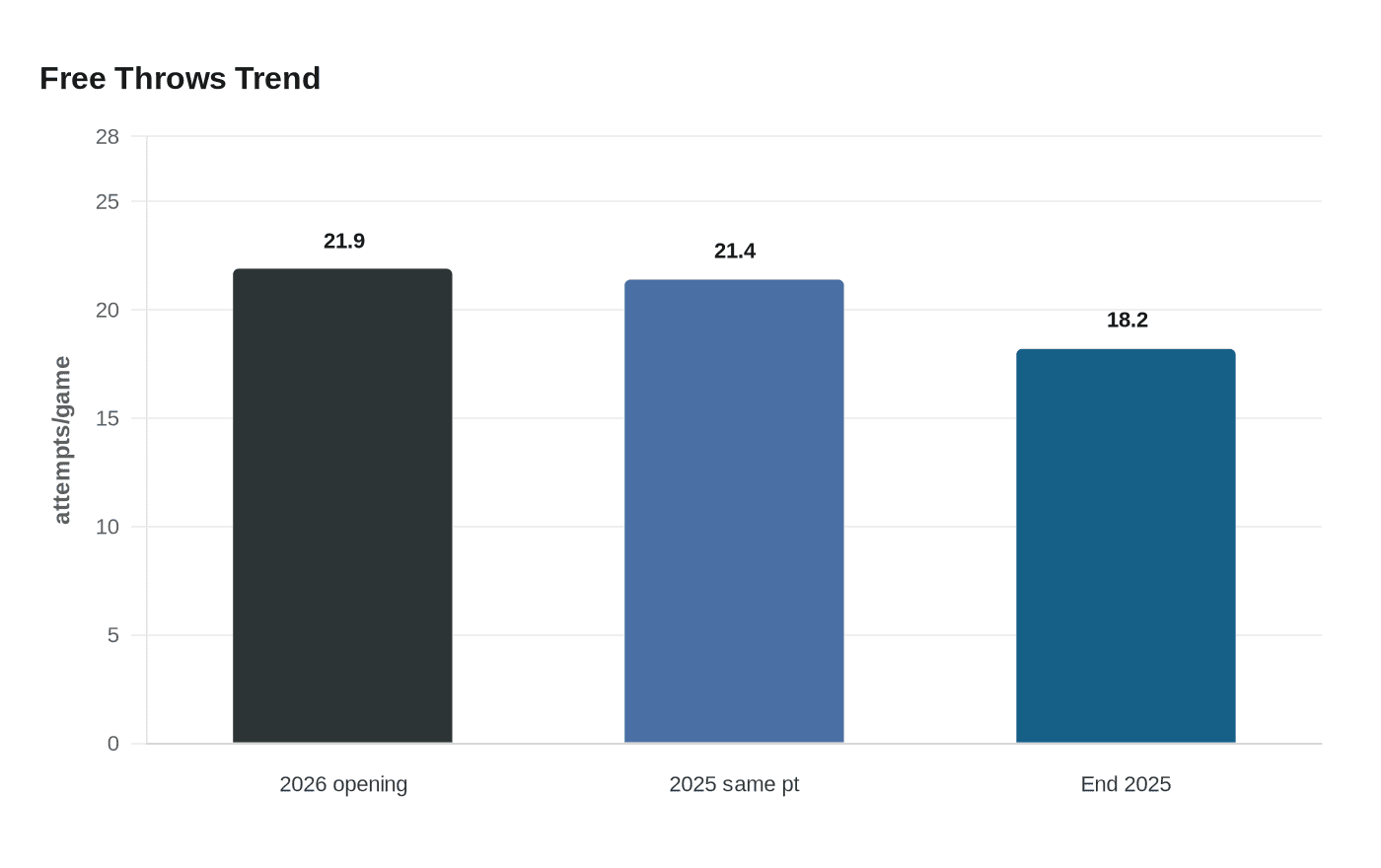
That matters because the league is trying to solve a problem that has built over several seasons: too much grabbing, leaning and disruption, and too little freedom of movement. Teams averaged 21.9 free-throw attempts in the first week, only a slight rise from 21.4 at this point last year. By the end of the 2025 season, teams were averaging 18.2 free-throw attempts per game, a reminder that the league is still working to see whether the sharper whistle will hold once the season settles in.
The WNBA set that tone in the offseason by creating an officiating task force as part of a broader state-of-the-game effort that included players and coaches. It also tightened foul standards for 2026 and raised fines for technical fouls, flagrant fouls and flopping, making the penalty for repeated misconduct more costly even before the first tip. The result has been a more visible emphasis on policing contact, with league officials treating the opening week as a test of how far the new standard can go without dulling the game’s edge.
Monty McCutchen, the WNBA’s head of officiating, said the increase in fouls was predictable given the league’s renewed focus on freedom of movement after years of complaints about rough play. Sue Blauch, who oversees referee performance and development, said the task force did not rewrite the rules or change their meaning. Instead, she said, it pushed officials to enforce existing guidelines more strictly.
That distinction is central to the league’s approach. This is not a new rulebook; it is a new level of insistence. Minnesota coach Cheryl Reeve, who sits on the task force, said the league and teams will need time to get on the same page. McCutchen said the officiating group will keep meeting frequently so that “our alignment can become finer and finer as we move into our best parts of our season.”
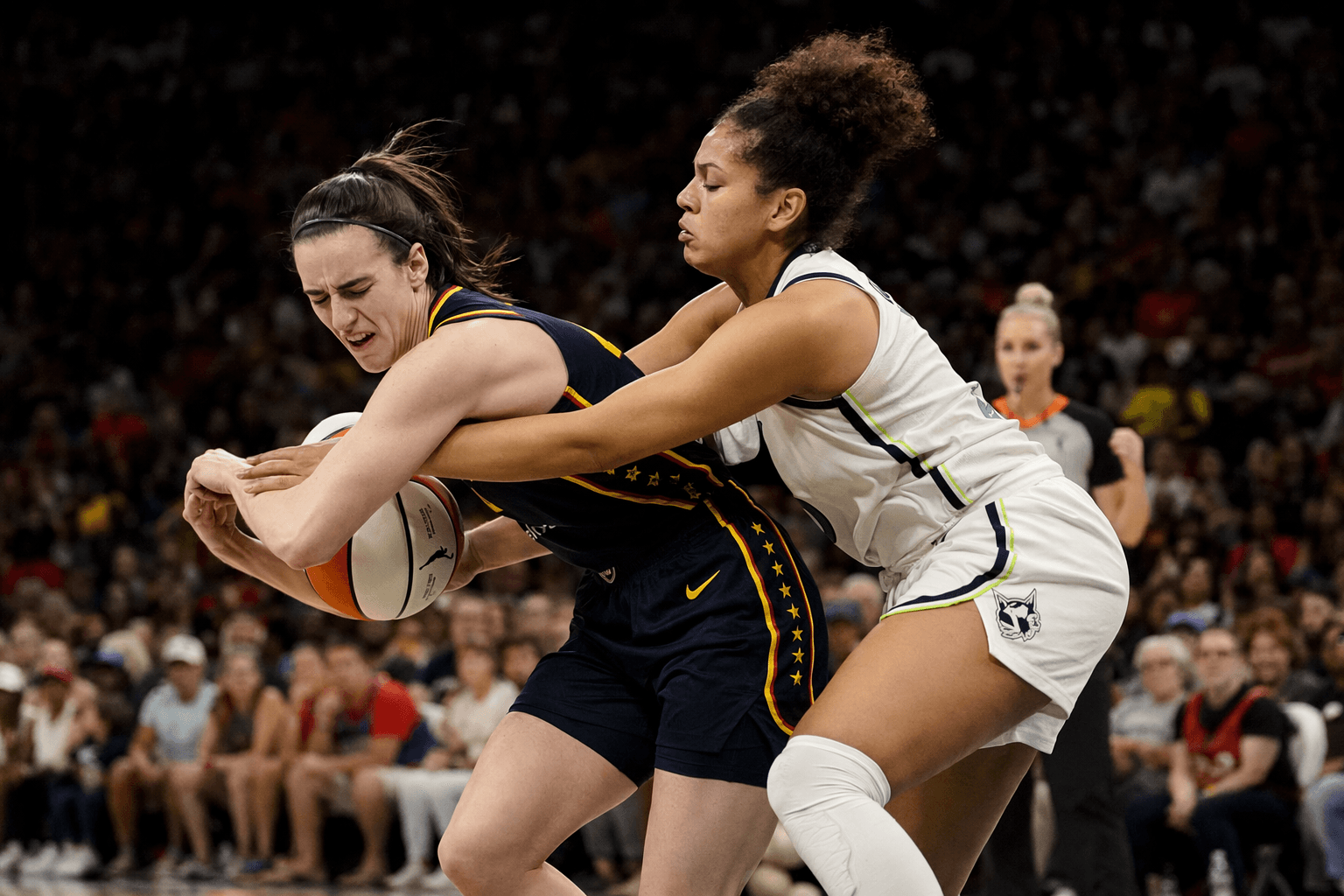
The pressure is already visible in games that draw national attention, including a Caitlin Clark sequence in an Indiana Fever game against the Los Angeles Sparks. Around the league, the first-week reaction has included frustration from players, coaches and fans, but officials are describing the moment as a feeling out period. For the WNBA, the challenge is not simply calling more fouls. It is proving that cleaner basketball can coexist with the physical intensity that still defines the league’s identity.
This article was produced by Prism’s automated news system from verified source data, official records, and press releases, then run through automated quality and moderation checks before publishing. The system is built and supervised by the people who set the standards it runs under. Read our full AI policy.
Did this article answer your question?