Women Entrepreneurs Lead Cambodia’s Green Economy Shift, Shaping Markets and Policy
At Cambodia Women Entrepreneurs Day 2025 on October 13, women business leaders convened to map practical pathways for the country’s green transition, spotlighting ventures from renewable energy to sustainable agriculture. Their growing role matters because it links inclusive job creation to climate resilience, and could reshape investment flows, supply chains, and government policy in the years ahead.
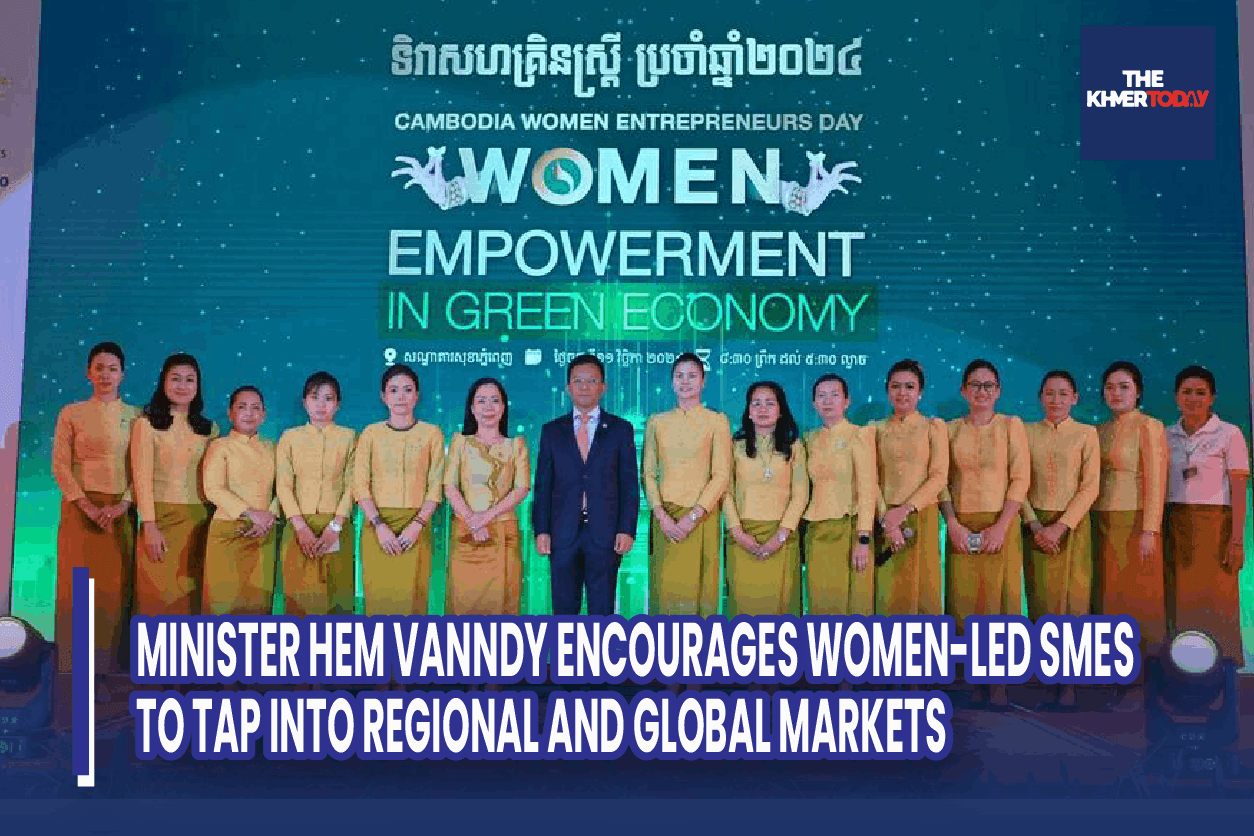
On October 13, 2025, Cambodia Women Entrepreneurs Day brought together women-led firms, investors, civil society and government representatives to advance a common objective, scaling green businesses that can deliver jobs, resilience and export opportunities. Organized by Cambodia Investment Review, the event showcased enterprises working across renewable energy, sustainable agriculture, waste management and eco-tourism as concrete examples of a broader green economy emerging in the country.
Speakers and panelists described an ecosystem in transition, where women entrepreneurs are increasingly the architects of local solutions. Many of the ventures on display aim to commercialize solar electrification and energy efficiency for rural firms, introduce regenerative farming that raises productivity while sequestering carbon, and develop circular waste systems that generate secondary raw materials for industry. These business models seek not only environmental impact, but measurable economic returns that can attract domestic and regional capital.
The timing of the gathering is significant. Cambodia remains a lower middle income economy with a population of roughly 16 million and a labor force that still relies heavily on agriculture for livelihoods. As the country pursues higher value manufacturing and services, the green economy offers a pathway to diversify growth while addressing vulnerability to climate shocks. Women entrepreneurs are positioned to capture this opportunity because many operate in sectors that directly affect rural communities and supply chains, where environmental improvements translate into productivity gains and cost savings.
Market implications are already visible. Investors focused on impact and climate resilience are expanding their interest in Southeast Asia, and Cambodia’s nascent green segment can attract patient capital if projects demonstrate clear revenue models and replicability. Scaling distributed solar, for example, can reduce operating costs for agro-processing firms and create demand for local maintenance services, generating jobs that are more resilient to climate variability. At the same time, export markets for sustainably produced garments, food and tourism services are growing in Asia and Europe, creating premium opportunities for certified green producers.
Yet the path to scale faces constraints. Access to finance remains uneven, with many small firms unable to meet collateral and credit assessment requirements. Technical barriers persist in measuring environmental outcomes and meeting certification standards required for international buyers. Policy and regulatory frameworks need clearer, gender responsive design to unlock both public procurement and targeted green finance for women led firms.
Participants at the event highlighted several policy priorities necessary to convert momentum into measurable impact. These include expanding concessional financing and guarantees for early stage green ventures, investing in technical assistance that links sustainability with productivity improvements, and integrating gender lenses into national green growth strategies. Strengthening data collection on women owned firms and their environmental performance will be crucial to evaluate progress and attract investment.
The broader trend is unmistakable. As Cambodia navigates its next growth phase, women entrepreneurs are shifting from marginal actors to key drivers in a green transition that promises inclusive employment, greater resilience and fresh export opportunities. Turning that promise into sustained economic transformation will require purposeful finance, tailored policy interventions and robust measurement to ensure that green growth is both equitable and competitive.
This article was produced by Prism’s automated news system from verified source data, official records, and press releases, then run through automated quality and moderation checks before publishing. The system is built and supervised by the people who set the standards it runs under. Read our full AI policy.
Did this article answer your question?

