Woolwich selectmen refine budget at Feb. 4 meeting, set town meeting
Selectmen began work on the 2026-27 town budget aiming to hold day-to-day costs steady and set the annual town meeting for April 29, a move that shapes spending and voter decisions.
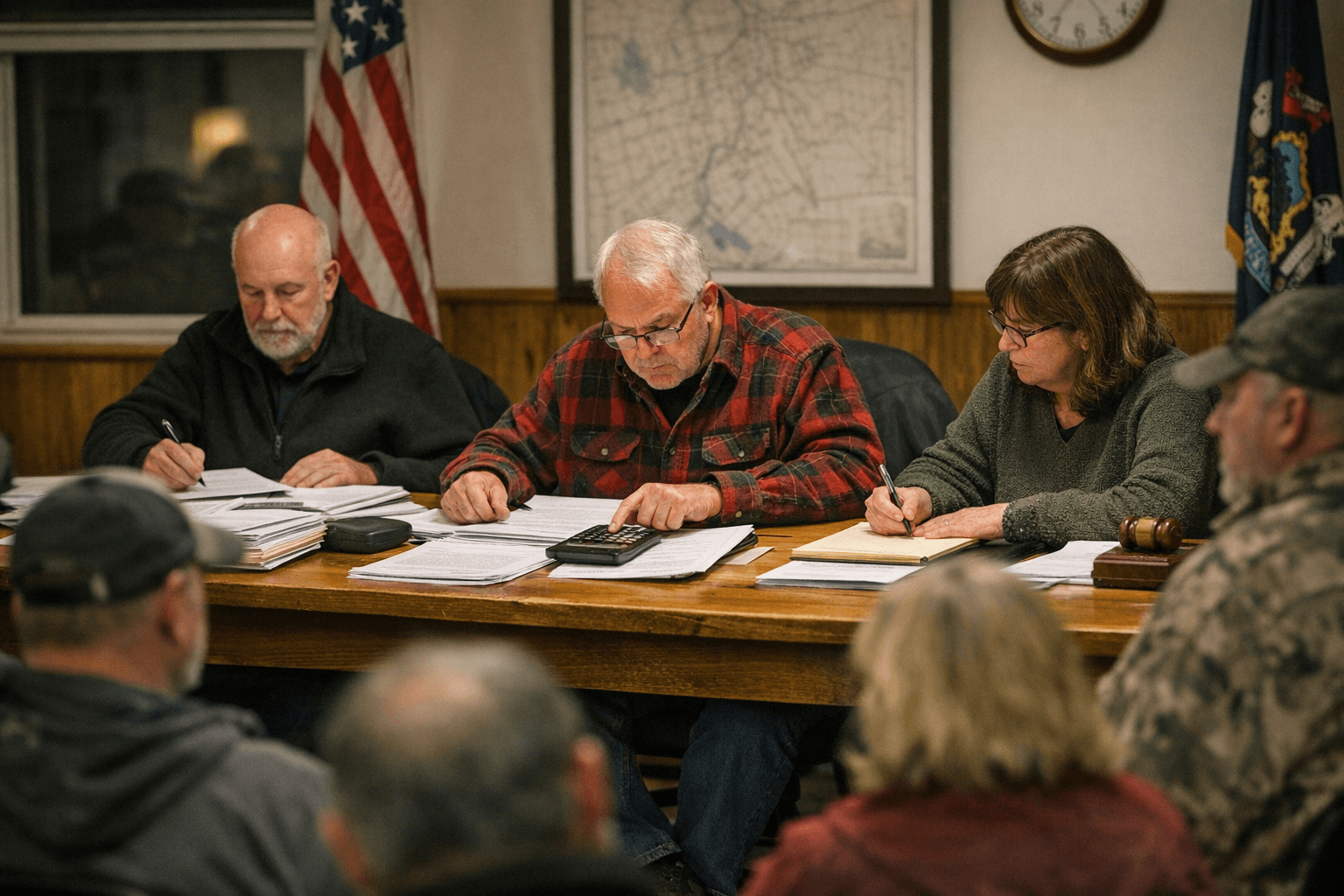
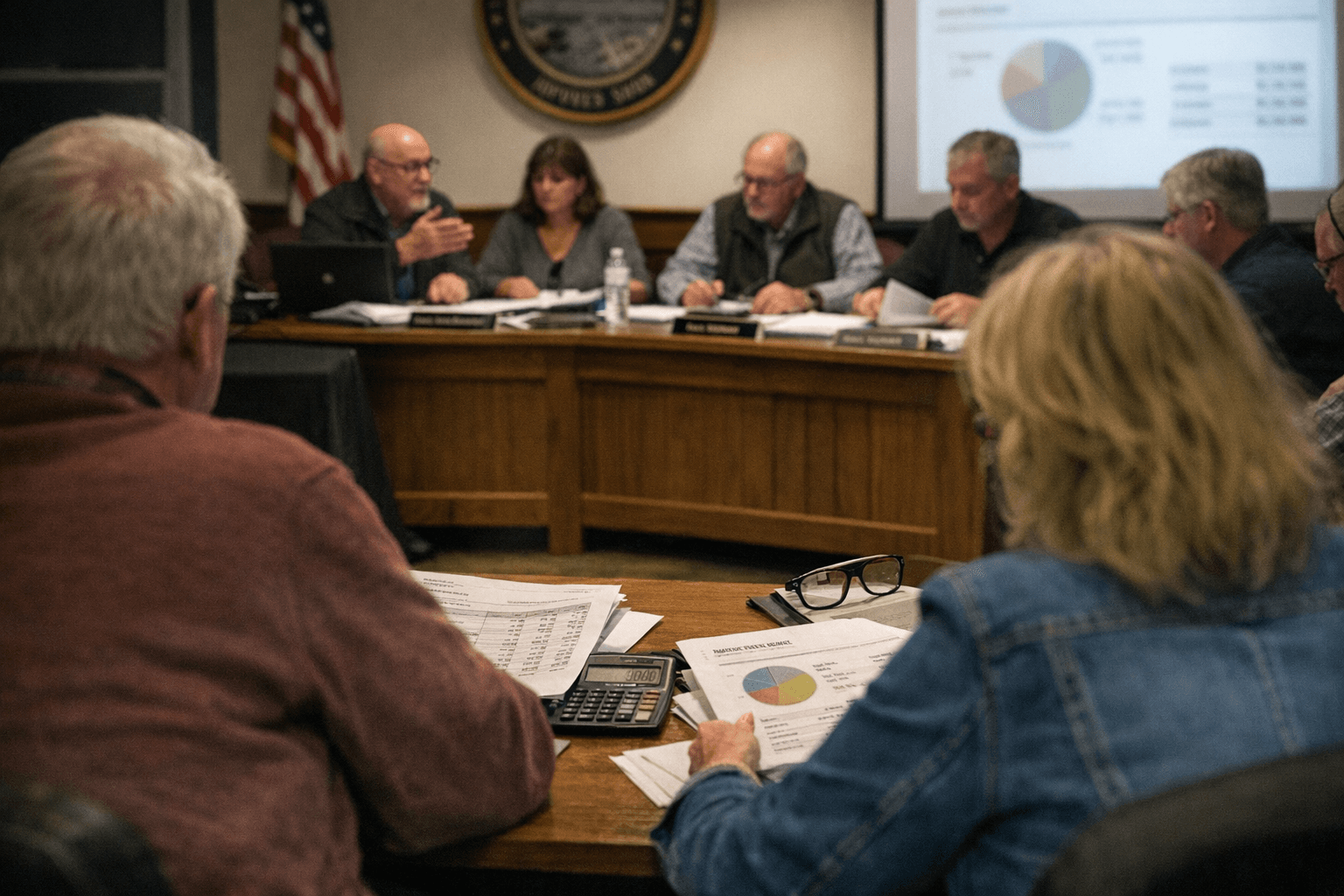
Selectmen in Woolwich began an initial review of the 2026-27 town budget with an emphasis on keeping everyday municipal line items at or close to current levels, a procedural approach designed to limit the tax impact on residents. The board met on Feb. 4 to start work that will shape warrant articles and set priorities ahead of the spring town meeting.
Chairman David King Sr. framed the effort around minimizing taxpayer burden, saying, “Our goal is to continue providing the best services we can for the least amount of financial impact on the taxpayers.” King also explained a rules-based approach to warrant articles: “All of this year’s warrant articles will be written such that they can be reduced, but not increased on motions from the floor.” Those drafting decisions are intended to give voters flexibility to lower requests during town meeting while preventing last-minute increases.
Present at the session were King, Vice Chairman Jason Shaw, Selectman Tommy Davis and Town Administrator Kim Dalton. Selectmen Dale Chadbourne and Allison Hepler were absent. Officials opened with day-to-day municipal operating line items and flagged several larger budgets for more detailed review later in the month, including the fire department, ambulance and highway budgets.
The selectmen scheduled the annual town meeting for 6 p.m. Wednesday, April 29 at the Woolwich Central School gymnasium. That meeting will be the forum for voters to consider the warrant articles as drafted and any floor motions permitted under the town’s procedures.
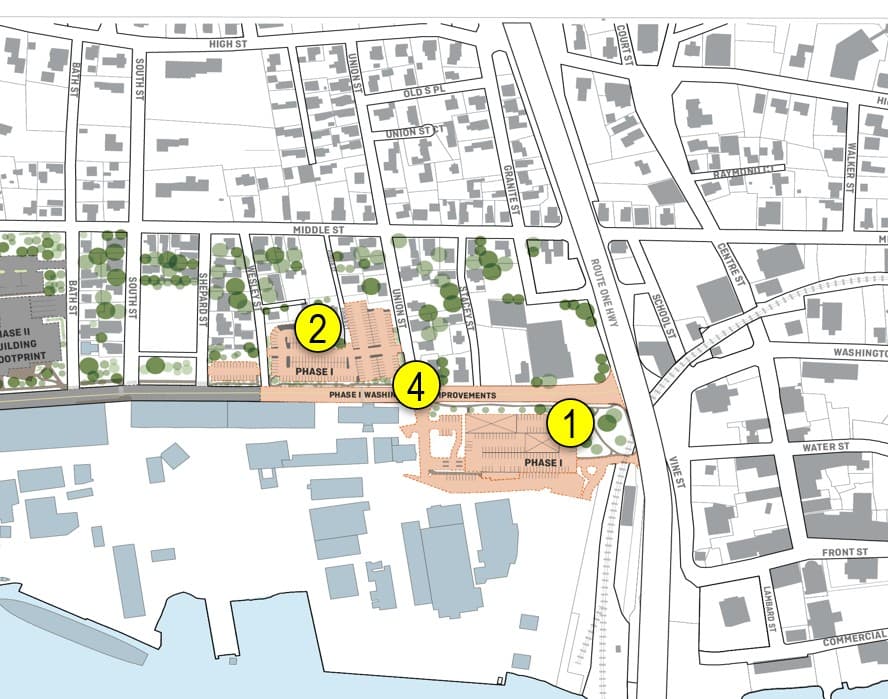
Woolwich residents have recent precedent for local charitable decisions: at last year’s town meeting voters amended a planned gift to the Bath Area Food Bank, increasing it from $1,250 to $10,000. Town contributions to non-profit organizations totaled $29,141, and voters separately supported the Patten Free Library in Bath with $71,506. The town’s geography, including the town-owned bulkhead at the end of Old Stage Road that fronts the Kennebec River, underscores local priorities around infrastructure and waterfront stewardship.
Separately, Woolwich Township in Ontario has adopted its own 2026 budget and is a distinct jurisdiction. That budget raises the average household tax bill by $99.83 annually, or $8.32 per month. The township’s engagement materials note, “Only about 26 cents of every dollar goes to Woolwich Township. The rest is allocated to the Region of Waterloo and local school boards.” Mayor Shantz characterized the Ontario budget as forward-looking: “This budget represents a big step along the path to improved financial sustainability,” and “This budget allows us to respond to the pressures Woolwich faces today while investing in the Township’s future.”
For Woolwich (Maine), the coming weeks will bring more detailed departmental hearings and the chance for voters to shape the final warrant articles at the April 29 town meeting; residents should track the selectmen’s upcoming agenda items and plan to participate in the budget decisions that will affect local services and taxes.
Know something we missed? Have a correction or additional information?
Submit a Tip