World Bank sees Vietnam growth cooling as global risks rise
Vietnam’s growth forecast was cut to 6.8% as inflation, higher oil costs and softer demand threaten a manufacturing hub tied to global supply chains.
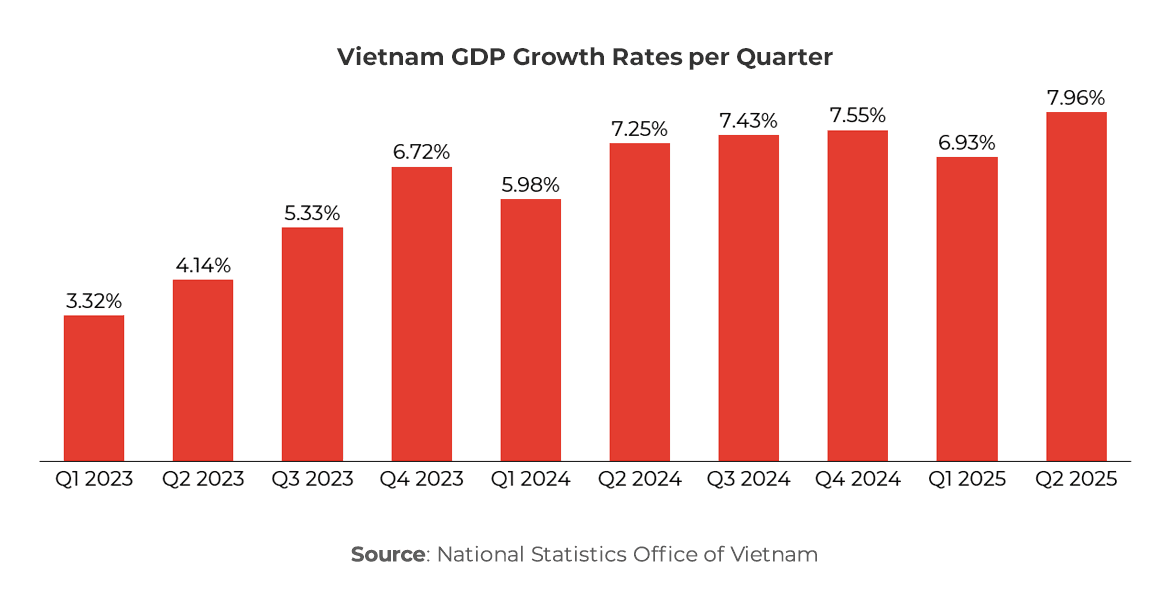
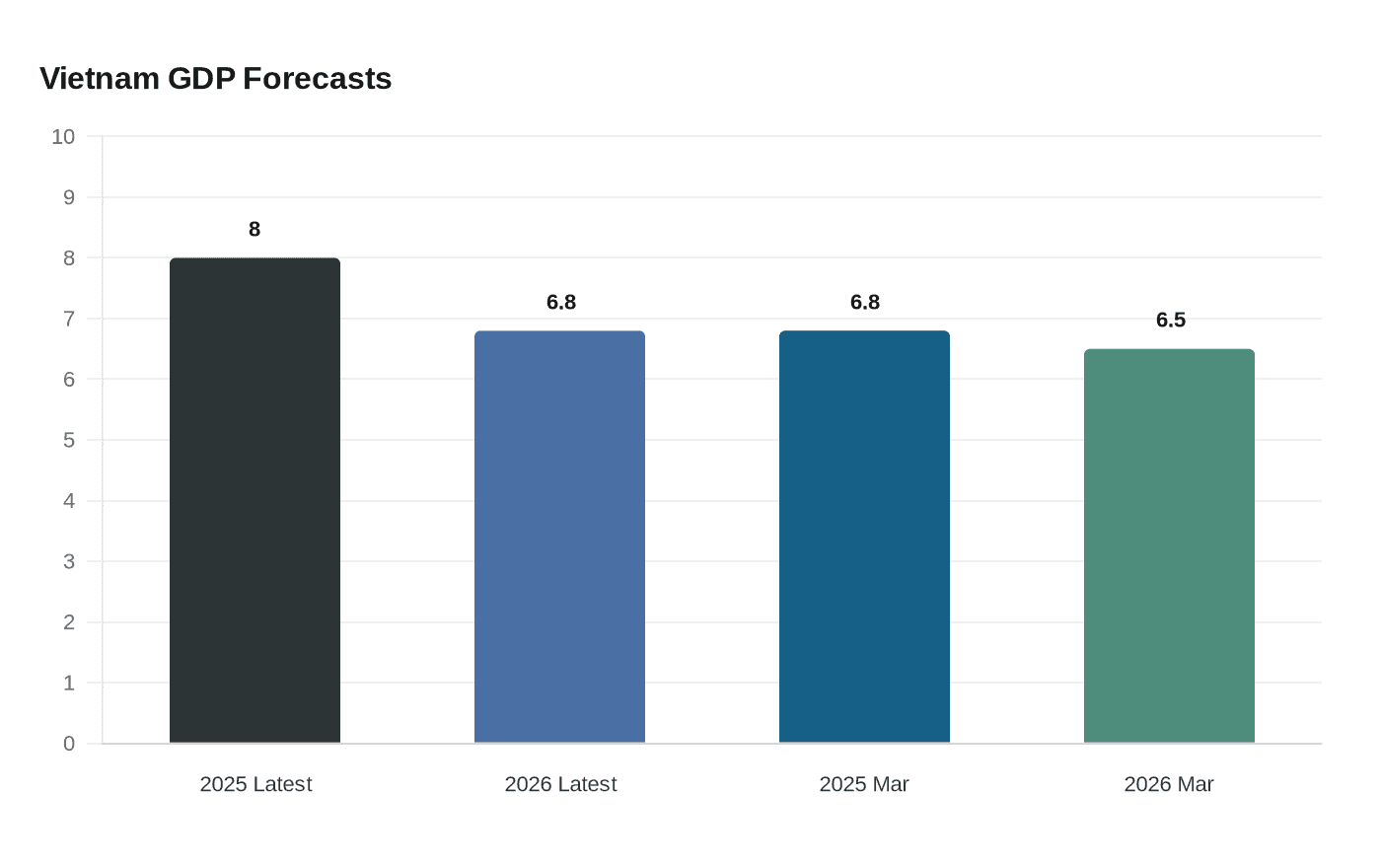
Vietnam’s slower growth outlook is a warning signal for global manufacturers, exporters and inflation-sensitive industries that have come to depend on the country’s factories. The World Bank projected gross domestic product growth of 6.8% in 2026, down from 8% in 2025, and said the near-term risks had risen as softer external demand and an oil shock linked to the Iran war pushed up costs and clouded the export picture.
For multinationals using Vietnam as a production base, the message was clear: the country is still expanding quickly, but the engine is cooling. The World Bank’s earlier March 2025 forecast had already pointed to a moderation, calling for 6.8% growth in 2025 and 6.5% in 2026. The latest outlook was stronger than that 2026 estimate, but still marked a step down from last year’s pace and a reminder that Vietnam’s export model remains sensitive to swings in global trade and energy prices.
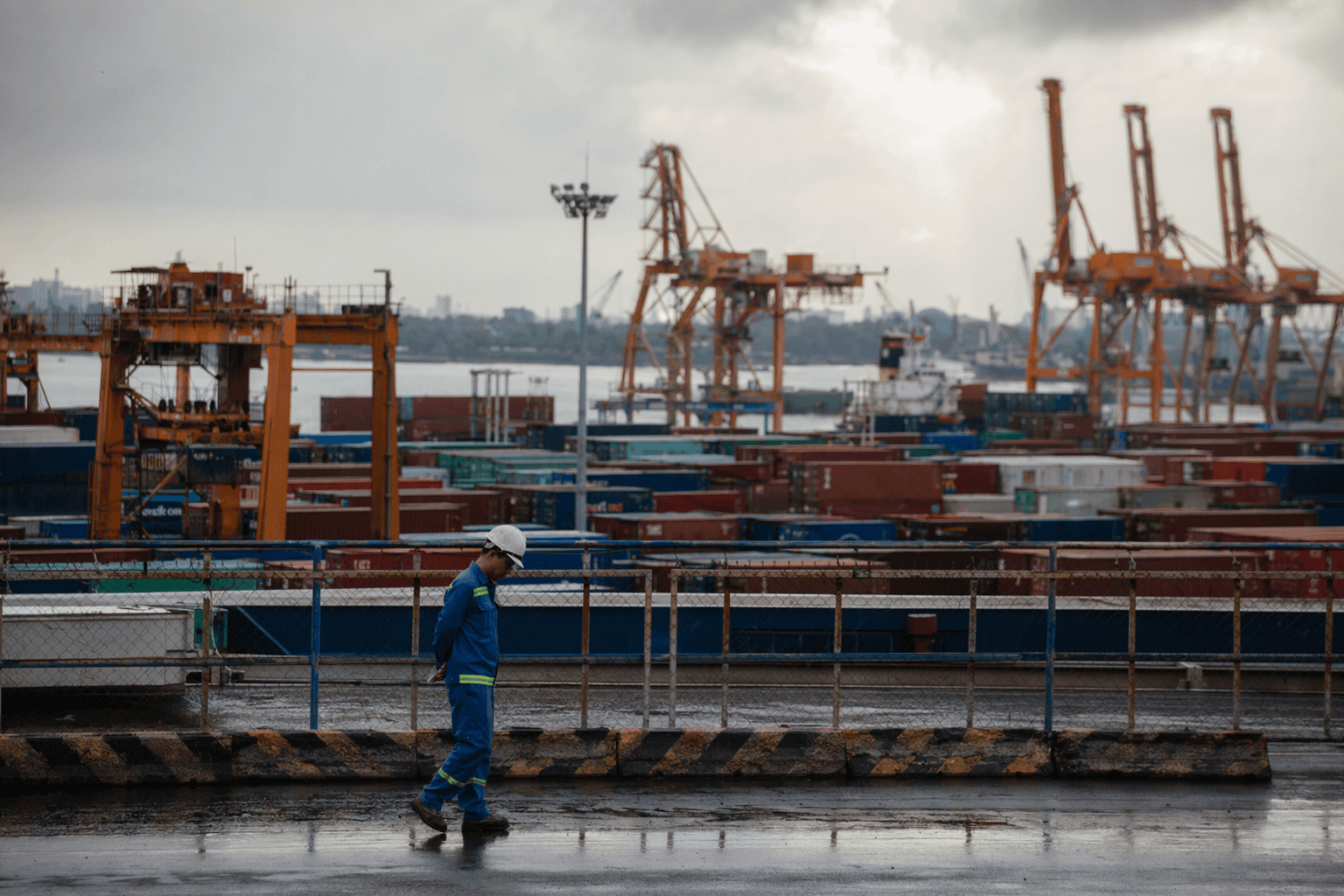
Mariam J. Sherman, the World Bank’s Vietnam director, said the external environment had become more challenging and that the oil shock was adding to downside risk. That matters beyond Hanoi. Vietnam’s rebound in 2024 was powered by export demand for technology products, and any slowdown in orders from the United States, China or other major markets would ripple through suppliers, logistics firms and retailers that have built Vietnam into a key node in Asian manufacturing.
The country’s policy challenge is becoming more difficult as inflation climbs. Consumer prices rose 5.46% in April from a year earlier, the highest reading since January 2020, while the Finance Ministry has forecast inflation could reach 5.5% in 2026, above the government’s 4.5% target. At the same time, Prime Minister Pham Minh Chinh and the Vietnam National Assembly have pressed for annual growth of at least 10% in 2026, a target approved on November 13, 2025 that underscores how much pressure leaders face to keep the economy moving fast.
Vietnam’s crowded geography adds another layer of strain. World Bank data showed population density at 320 people per square kilometer in 2023, a level that puts pressure on transport, housing and infrastructure as the economy expands. The World Bank said Vietnam remained in the strongest position in ASEAN, but it also stressed that sustained reforms would be needed to preserve that edge as global conditions worsen.
This article was produced by Prism’s automated news system from verified source data, official records, and press releases, then run through automated quality and moderation checks before publishing. The system is built and supervised by the people who set the standards it runs under. Read our full AI policy.
Did this article answer your question?