World Bank warns energy prices to surge 24% in 2026
Oil supply losses in the Middle East pushed the World Bank to forecast a 24% jump in energy prices, with U.S. fuel, food and utility costs at risk.
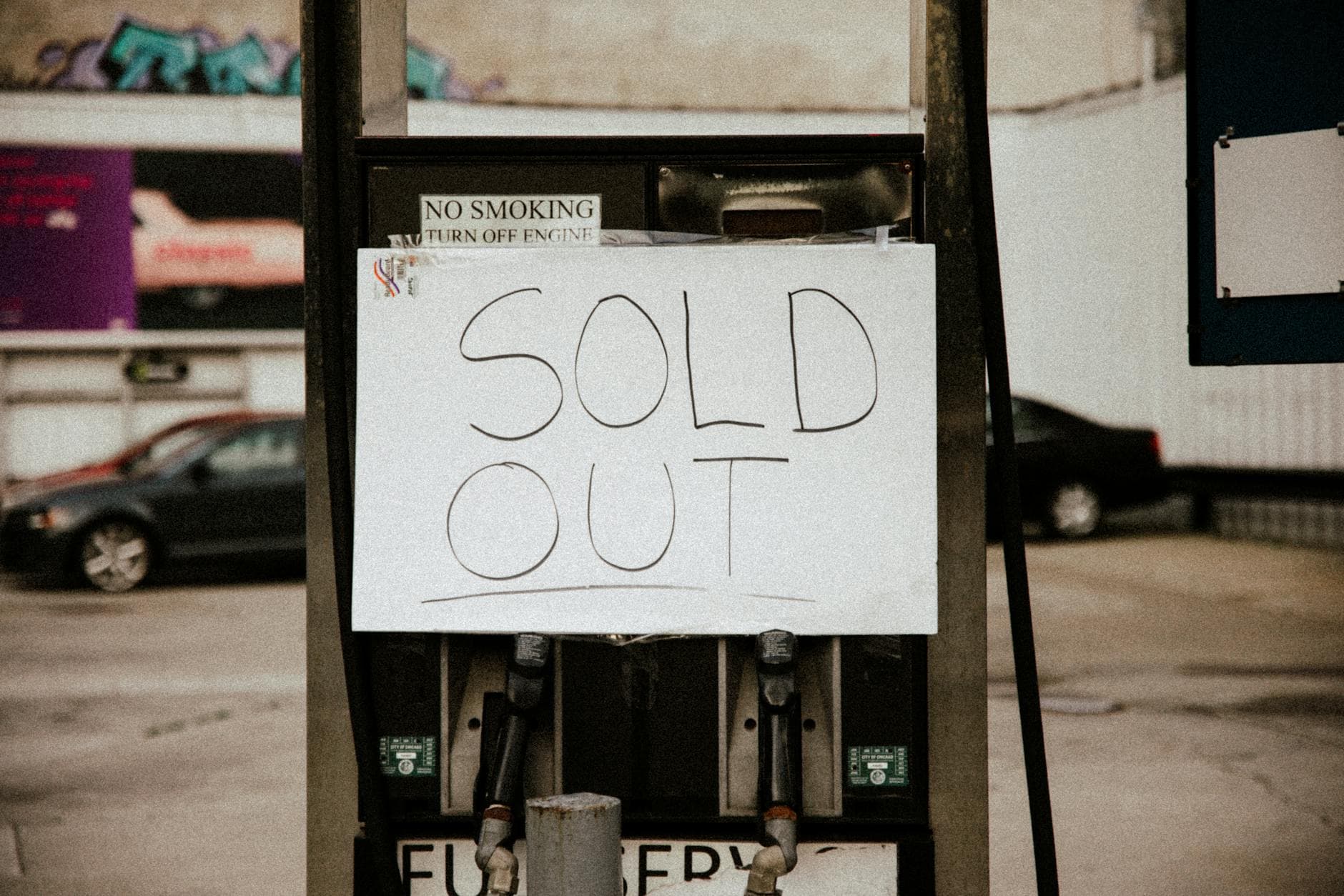
Gasoline, utility bills and airline fares are next in line if the Middle East war keeps squeezing energy markets, and the World Bank now sees those pressures feeding into a much broader inflation shock for households and businesses. The bank warned that energy prices were projected to rise 24% in 2026, with Brent crude expected to average $86 a barrel, up from $69 in 2025.
The April 28 outlook said the conflict had already triggered the largest oil supply shock on record, after attacks on energy infrastructure and shipping disruptions in the Strait of Hormuz, which carries about 35% of global seaborne crude oil trade. The World Bank said the initial hit cut global oil supply by about 10 million barrels per day, and it assumed the most acute phase of trade disruption would end in May, with shipping through the strait gradually returning near prewar levels by October.
That is one reason the latest shock could feel different from 2022. The World Bank said energy prices would reach their highest level since Russia’s invasion of Ukraine, but this time the disruption is tied to a direct wartime squeeze on a critical shipping lane, not just a supply recovery from an earlier crisis. The bank also forecast overall commodity prices to rise 16% this year, as higher energy and fertilizer costs spread through supply chains. World Bank Chief Economist Indermit Gill summed up the danger in four words: “war is development in reverse.”
For U.S. consumers, the transmission is familiar. Higher crude oil prices raise the cost of gasoline and diesel first, then ripple into freight, airfares and the prices of goods that move by truck or plane. Businesses face higher operating costs, while households see pressure on heating, transportation and the utility bills tied to fuel-intensive power generation. The Bank’s warning suggests the stress may not stay confined to the oil patch.
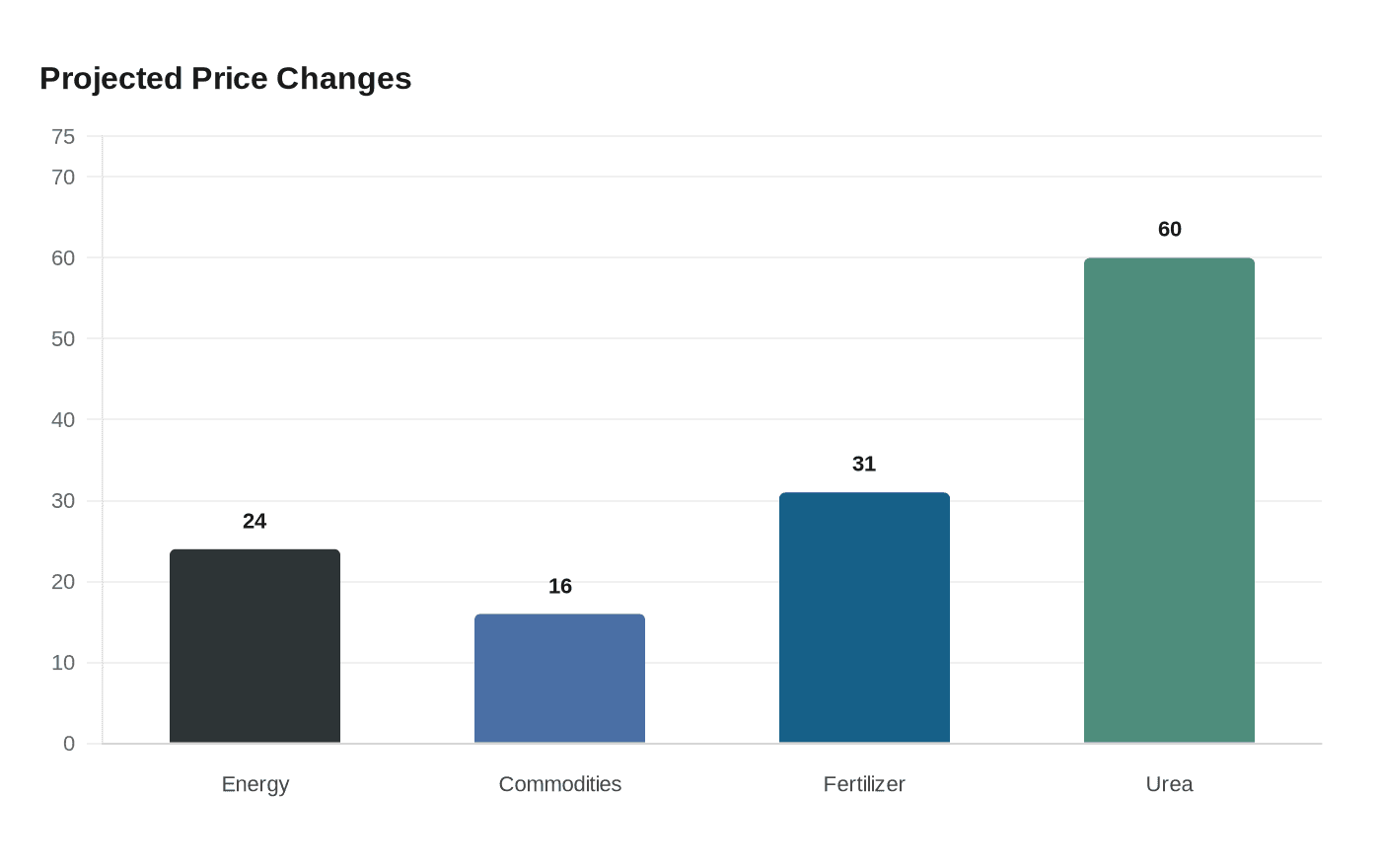
Food markets are especially exposed. The World Bank projected fertilizer prices would rise 31% in 2026, led by a 60% jump in urea prices, which would squeeze farm margins and threaten crop yields. It warned that the poorest households, which spend the largest share of their income on food and fuels, would be hit hardest. The World Food Programme said almost 45 million more people could fall into acute hunger if the conflict persisted and oil stayed above $100 a barrel.
The shock is also reaching metals. The World Bank said base metals prices could rise further because of resilient demand and inflexible supply, with aluminum, copper and tin all vulnerable to record highs as data centers, electric vehicles and renewable energy keep demand firm. In the Middle East, North Africa, Afghanistan and Pakistan region, growth excluding Iran was projected to slow to 1.8% in 2026, 2.4 percentage points below January expectations. The war has become more than a regional security crisis. It is now a global inflation risk that could make food, fuel and electricity more expensive well beyond the Middle East.
This article was produced by Prism’s automated news system from verified source data, official records, and press releases, then run through automated quality and moderation checks before publishing. The system is built and supervised by the people who set the standards it runs under. Read our full AI policy.
Did this article answer your question?

