World Cup hotel bookings lag in most U.S. host cities
Hotels in 11 U.S. host markets expected a World Cup windfall, but 80% of hoteliers said bookings were still running below forecast.
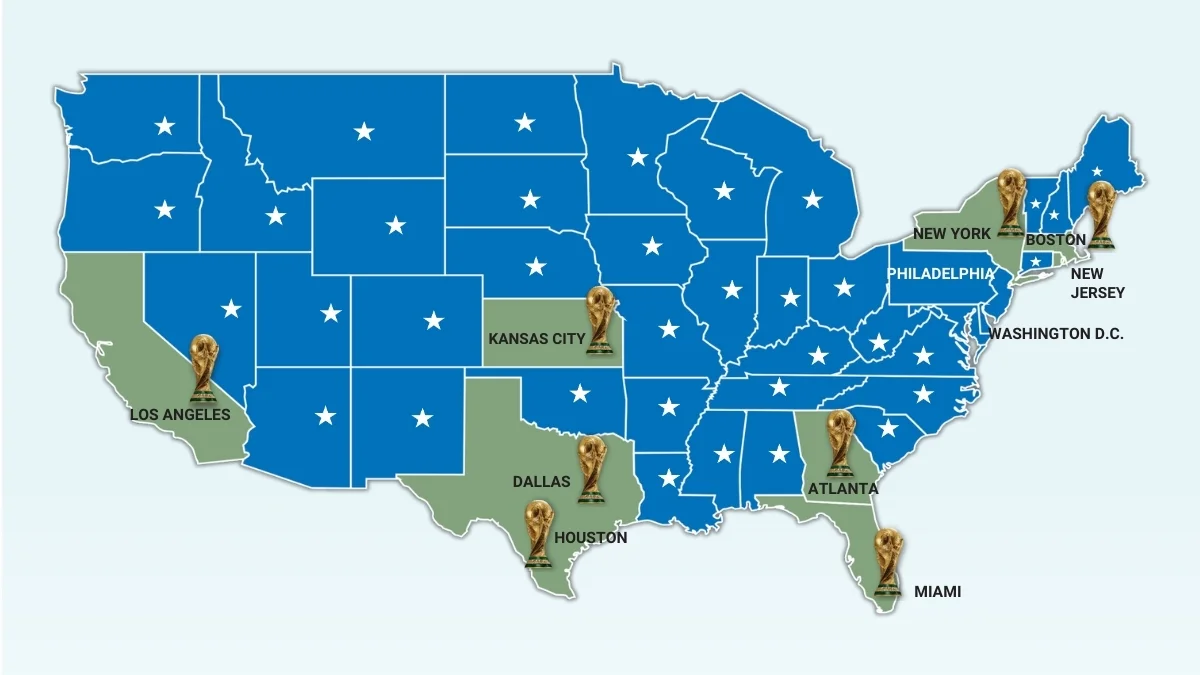
The World Cup was sold as a tourism boom, but hotel operators in most U.S. host cities were still waiting for the payoff. In a survey released by the American Hotel & Lodging Association on May 4, 2026, 80% of hoteliers across 11 host markets said bookings were tracking below their original forecasts.
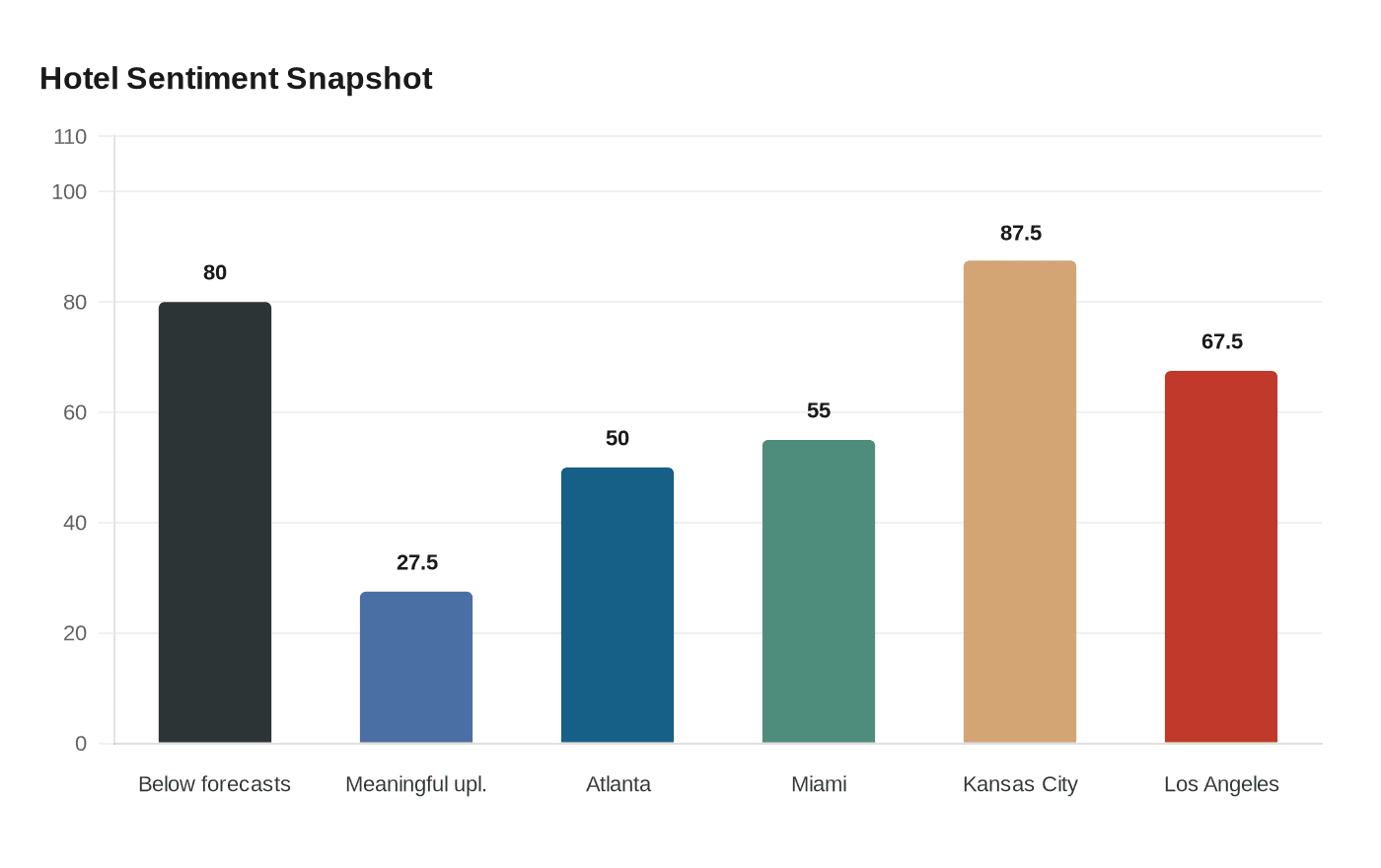
The gap between boosterism and business reality was tied to several forces at once. About 65% to 70% of respondents blamed visa barriers and broader geopolitical concerns for suppressing international demand. The AHLA also said FIFA room block overcommitment had created an “artificial early demand signal” that faded after rooms were released back into the market. Even so, only about 25% to 30% of respondents overall said they were seeing meaningful incremental uplift.
The pain was not evenly spread. Kansas City was the weakest market by far, with roughly 85% to 90% of respondents saying booking pace was below expectations and trailing a typical June or July without a major event. Los Angeles was also soft, with nearly 65% to 70% of respondents reporting bookings below expectations and often matching or lagging a normal summer. Dallas, Houston and New York City fell into a similar pattern, with roughly two-thirds of hoteliers saying bookings were weaker than World Cup hopes but still close to ordinary summer demand.
A few markets were holding up better. In Atlanta, about half of respondents said bookings were in line with or ahead of expectations. Miami was stronger still, with about 55% saying pace was ahead of typical summer levels. Those were the clearest examples of the tournament adding to already healthy leisure demand rather than creating it from scratch.
Elsewhere, the outlook was bleak. In Boston, Philadelphia, San Francisco and Seattle, nearly 80% of respondents described the tournament as a “non-event” so far, pointing to FIFA room releases and weak international fan travel. That caution echoed earlier warnings from hotel leaders in New York City, Philadelphia and San Francisco, who had already said they had not seen the expected surge. Philadelphia took a direct hit when FIFA canceled about 2,000 room reservations there after previously booking about 10,000, and industry reporting in April said tens of thousands of rooms had been canceled across the U.S., Canada and Mexico.
The disappointment matters because FIFA had promoted the tournament as a huge spending event. Fans from more than 200 countries and territories submitted 5 million ticket requests in 24 hours during a December 12, 2025 sales phase, and prior projections cited in tourism analysis put the U.S. economic impact at about $30.5 billion with roughly 6.5 million attendees across the host countries. For now, the hotel data showed that the late surge many cities counted on was still more hope than demand.
This article was produced by Prism’s automated news system from verified source data, official records, and press releases, then run through automated quality and moderation checks before publishing. The system is built and supervised by the people who set the standards it runs under. Read our full AI policy.
Did this article answer your question?
%3Amax_bytes(150000)%3Astrip_icc()%2FCertificate-of-deposit-2301f2164ceb4e91b100cb92aa6f868a.jpg&w=1920&q=75)