World Cup spending boom could lift hotels, airlines and beer makers
World Cup crowds could fill 21.3 million hotel nights, while higher jet fuel costs may blunt airline gains.
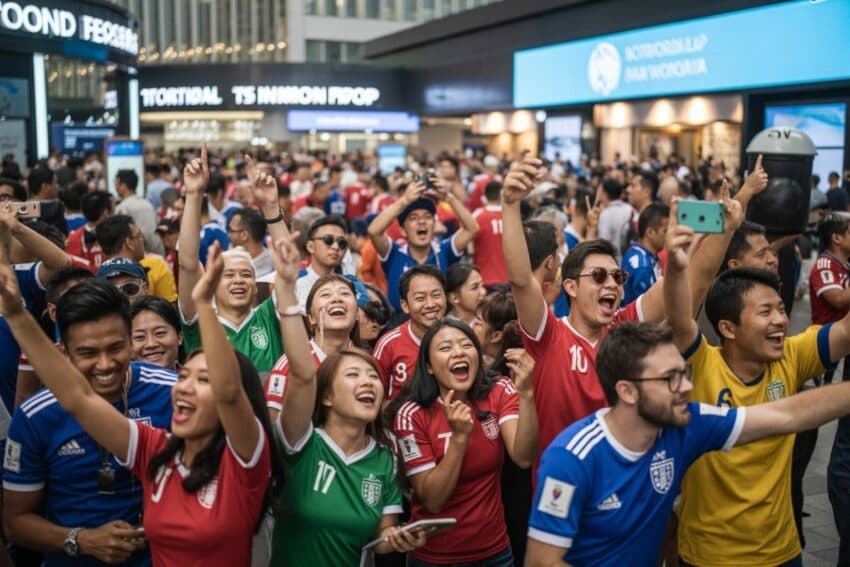
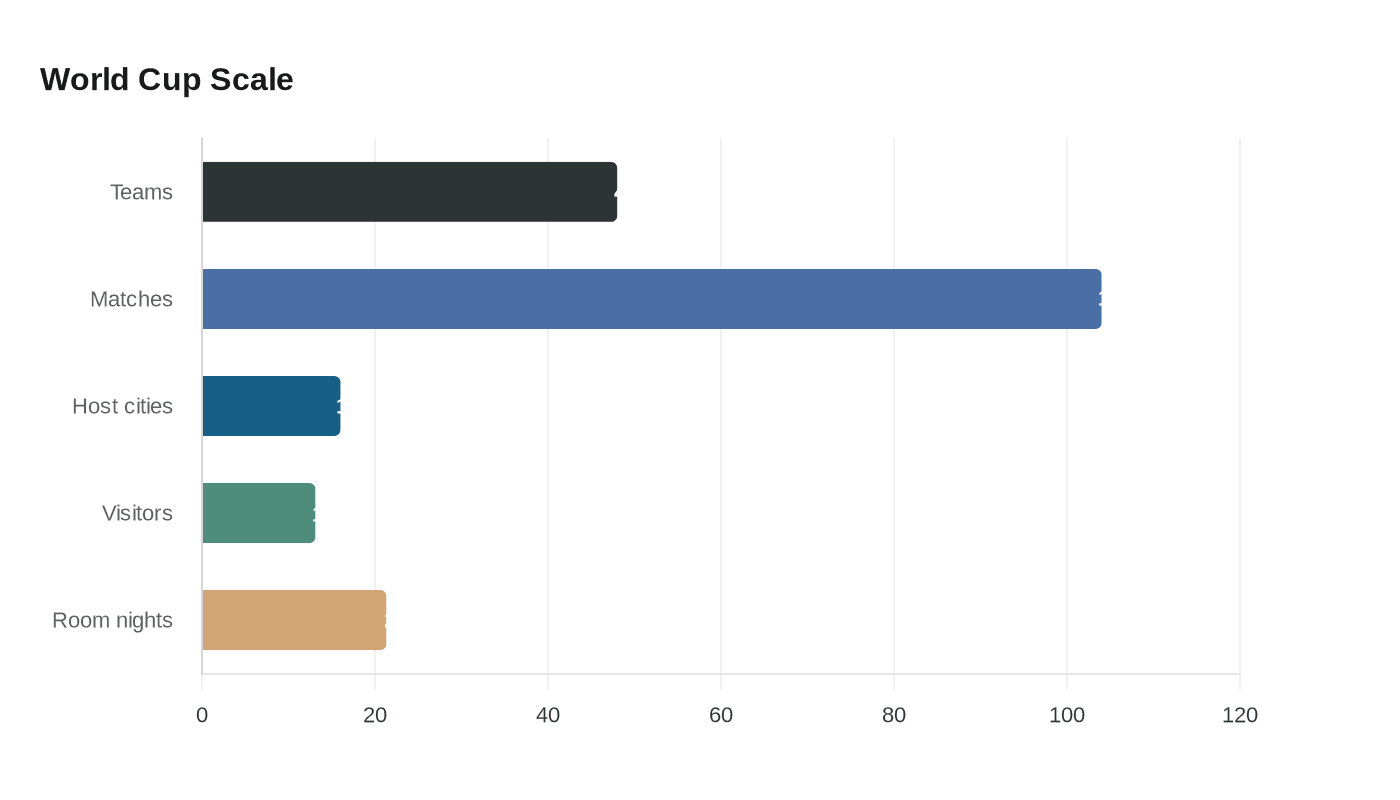
The 2026 FIFA World Cup is shaping up as a spending event first and a sports event second for investors tracking who actually gets paid when the crowds arrive. With 48 teams, 104 matches and 16 host cities across the United States, Canada and Mexico, the tournament is expected to draw about 13.1 million visitors and generate 21.3 million hotel room nights, figures that point straight to hotels, airlines and beverage companies as the clearest winners.
The money trail is most visible in lodging and booking platforms. Oxford Economics said host-city hotel revenue could rise 7% to 25% in June 2026 around match days, with the sharpest gains clustering around games. Marriott, Hilton and Hyatt should capture a large share of that demand, while Airbnb, Booking Holdings and Expedia stand to benefit as fans book beyond the immediate stadium corridor and into nearby markets.
The event’s scale is unusually large. FIFA says the opening match will be played in Mexico City on June 11 and the final in New York/New Jersey on July 19, making this the first World Cup with 48 teams and 104 matches. Reuters has estimated the tournament could lift global GDP by roughly $41 billion, but the bigger market implication is more targeted: a short burst in travel, room rates, transport and venue spending, not a broad, lasting boom across all consumer stocks.
Beer makers also have a believable case. Reuters reported in February that big brewers were already hoping the World Cup could help offset a weak 2025, as geopolitical turbulence, health-conscious Gen Z consumers and cost-of-living pressure weighed on sales. About 75% of matches will be played in the United States, and many kickoff times are favorable for beer consumption, a setup that could help Anheuser-Busch InBev, Heineken and rivals see at least a modest volume lift in bars and stadium-adjacent venues.
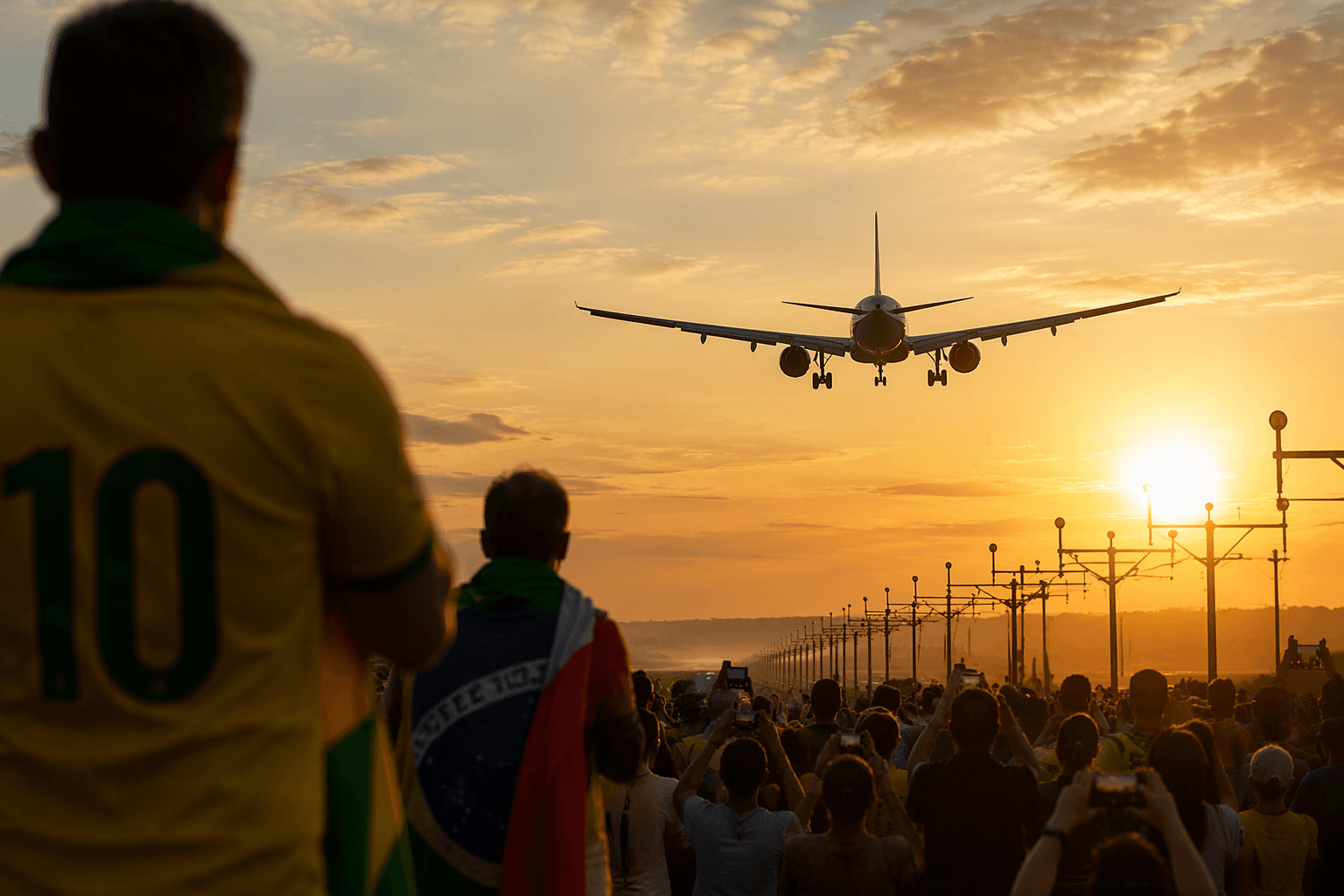
Airlines are the caution flag in the trade. Reuters reported that JetBlue raised its second-quarter fuel-cost forecast after jet fuel prices climbed, and American Airlines temporarily suspended some summer routes because of steep fuel costs. The International Air Transport Association’s annual meeting in Rio de Janeiro is set for June 6 to June 8, where fare pressure and fuel will dominate the discussion. That split matters for investors: World Cup demand is real, but some of the gain will be absorbed by higher energy costs, tighter budgets and a fragile travel backdrop.
This article was produced by Prism’s automated news system from verified source data, official records, and press releases, then run through automated quality and moderation checks before publishing. The system is built and supervised by the people who set the standards it runs under. Read our full AI policy.
Know something we missed? Have a correction or additional information?
Submit a Tip