U.S. adds 172,000 jobs in May, topping expectations sharply
Jobs rose 172,000 in May, while Trump courted Wisconsin dairy farmers the same day the labor market beat forecasts by a wide margin.
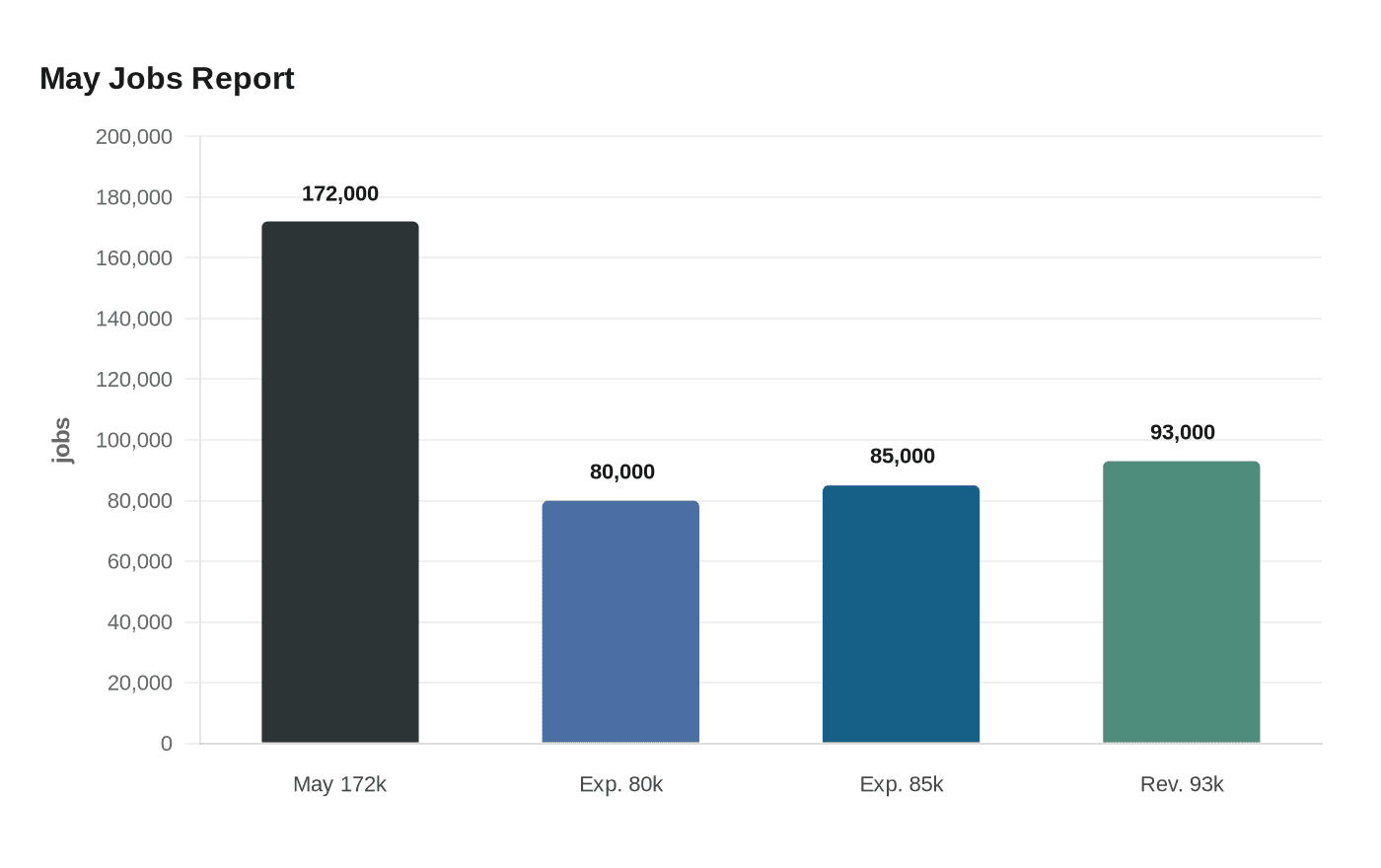
The labor market delivered Donald Trump and his rivals a potent set of numbers to fight over: U.S. payrolls rose by 172,000 in May, far above the 80,000 to 85,000 new jobs economists had expected, while the unemployment rate held at 4.3 percent.
The Bureau of Labor Statistics said the gains were led by leisure and hospitality, local government and health care. Employment in financial activities declined. More importantly for the broader trend, March and April payrolls were revised up by a combined 93,000 jobs, turning what had looked like a modest spring into a noticeably stronger three-month stretch for hiring.
That strength matters politically because it gives campaigns on both sides fresh ammunition. Supporters of Trump can point to a labor market that is still expanding and argue that the economy is steady enough to reward the incumbent political message. Critics can counter that the unemployment rate did not improve and that the headline gain, while stronger than forecast, still leaves the economy exposed to any slowdown in consumer demand, higher borrowing costs or tariff pressures.
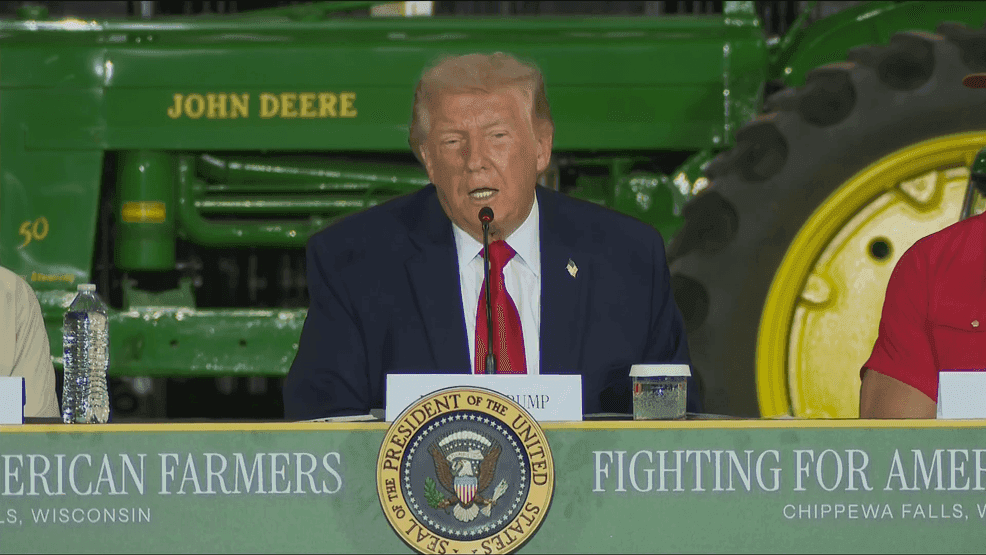
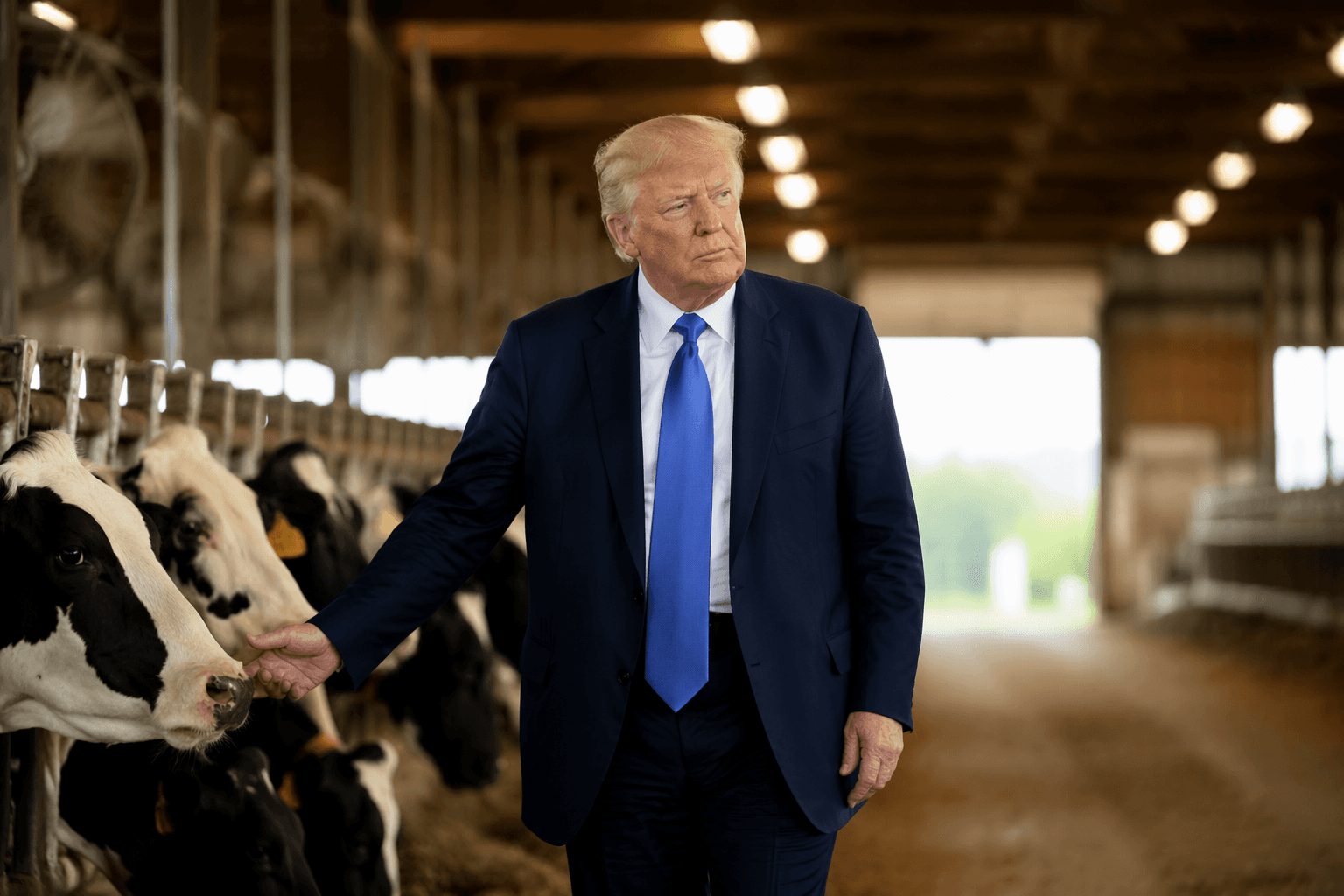
Trump was in western Wisconsin on the same Friday the report landed, meeting with dairy farmers at Custer Farms near Chippewa Falls in Chippewa County. The visit, described by several reports as his first return to Wisconsin since his 2024 reelection, was aimed squarely at energizing rural supporters in a state that remains central to the electoral map.
The setting was not accidental. Trump used the roundtable to talk about farmers, tariffs, fuel prices and the possibility of a bailout, a pitch that underscored how quickly economic numbers can be repackaged for different audiences. In Wisconsin, where agriculture remains politically important and rural counties can swing statewide margins, the jobs report does not automatically translate into voter sentiment. It does, however, give campaigns a live data point to argue over: whether the economy is still producing enough momentum to satisfy households, or merely enough to keep the argument going.
For the White House and for Trump’s allies, the May report offers a cleaner story than many had expected. For Wisconsin voters, it is a reminder that a stronger payroll number and a farm-country visit can arrive on the same day without settling the larger question of who is better positioned to manage the economy over the long run.
This article was produced by Prism’s automated news system from verified source data, official records, and press releases, then run through automated quality and moderation checks before publishing. The system is built and supervised by the people who set the standards it runs under. Read our full AI policy.
Know something we missed? Have a correction or additional information?
Submit a Tip