World Obesity Day urges action as childhood obesity nears 20% and risks overwhelm systems
World Obesity Federation calls on governments, health systems and communities today as childhood obesity rose from 4% to nearly 20% and 4 billion people could be overweight by 2035.
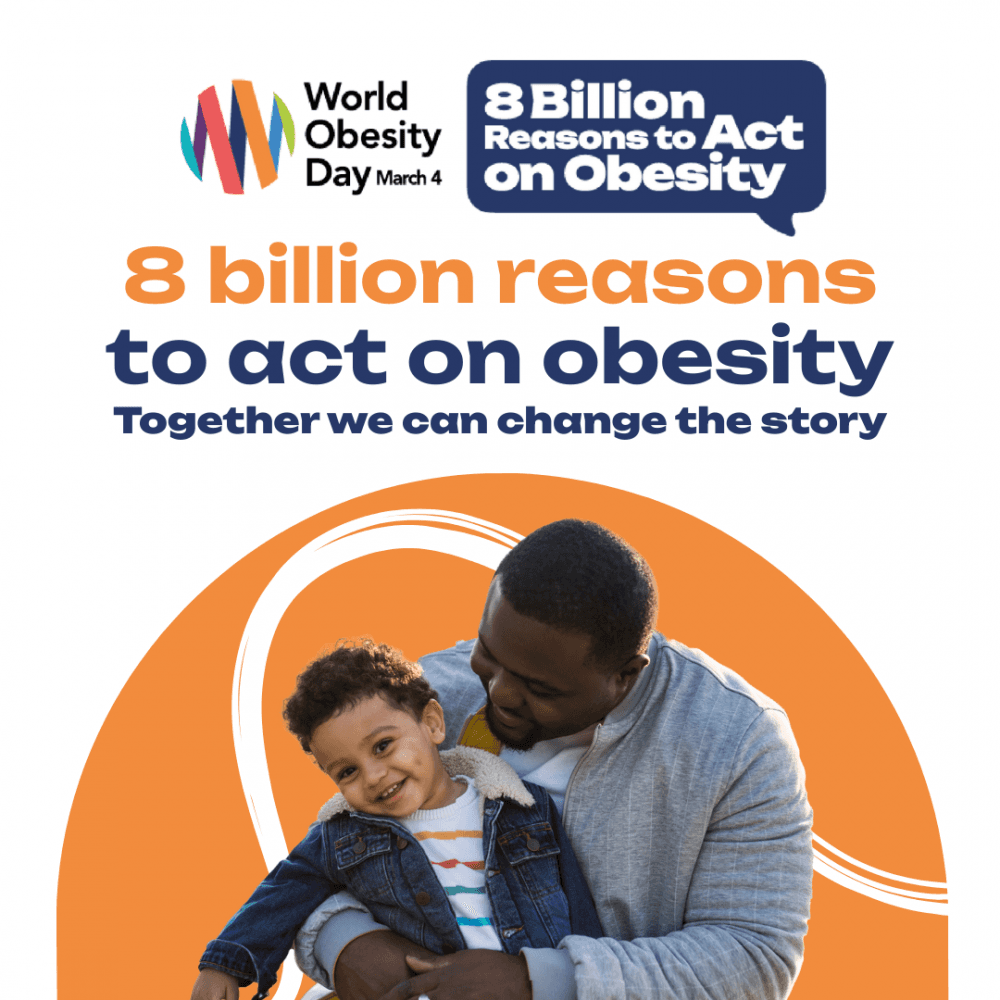
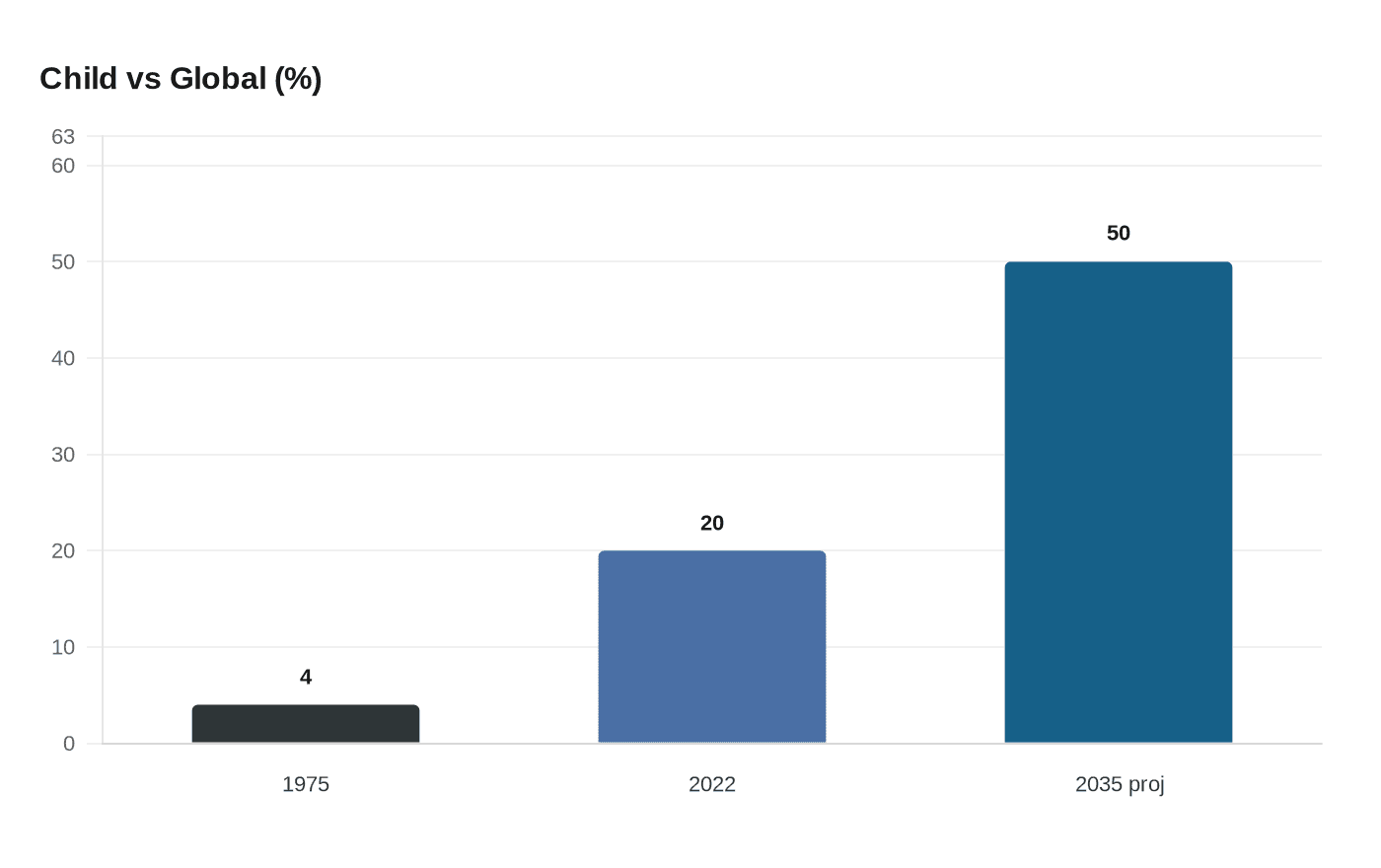
World Obesity Federation is mobilizing governments, health systems and communities today for World Obesity Day 2026, warning that school-aged obesity has climbed from 4% in 1975 to almost 20% in 2022 and that four billion people could be living with overweight or obesity by 2035. The campaign, styled "8 Billion Reasons to Act on Obesity," spotlights childhood obesity as a systems and equity crisis that risks overwhelming already strained health services and deepening global inequality.
Campaign materials released for 4 March emphasize that roughly 1 billion people are currently living with obesity and that "early signs of chronic diseases are already appearing in children today." The World Obesity Federation frames the surge in childhood cases as concentrated in low- and middle-income countries, where health systems often lack the capacity and resources to prevent and treat long-term noncommunicable diseases such as diabetes and heart disease. "Obesity is an indicator of systems that aren’t working. And the spread of childhood obesity in low-and-middle-income countries shows that health inequalities are widening," the federation says.
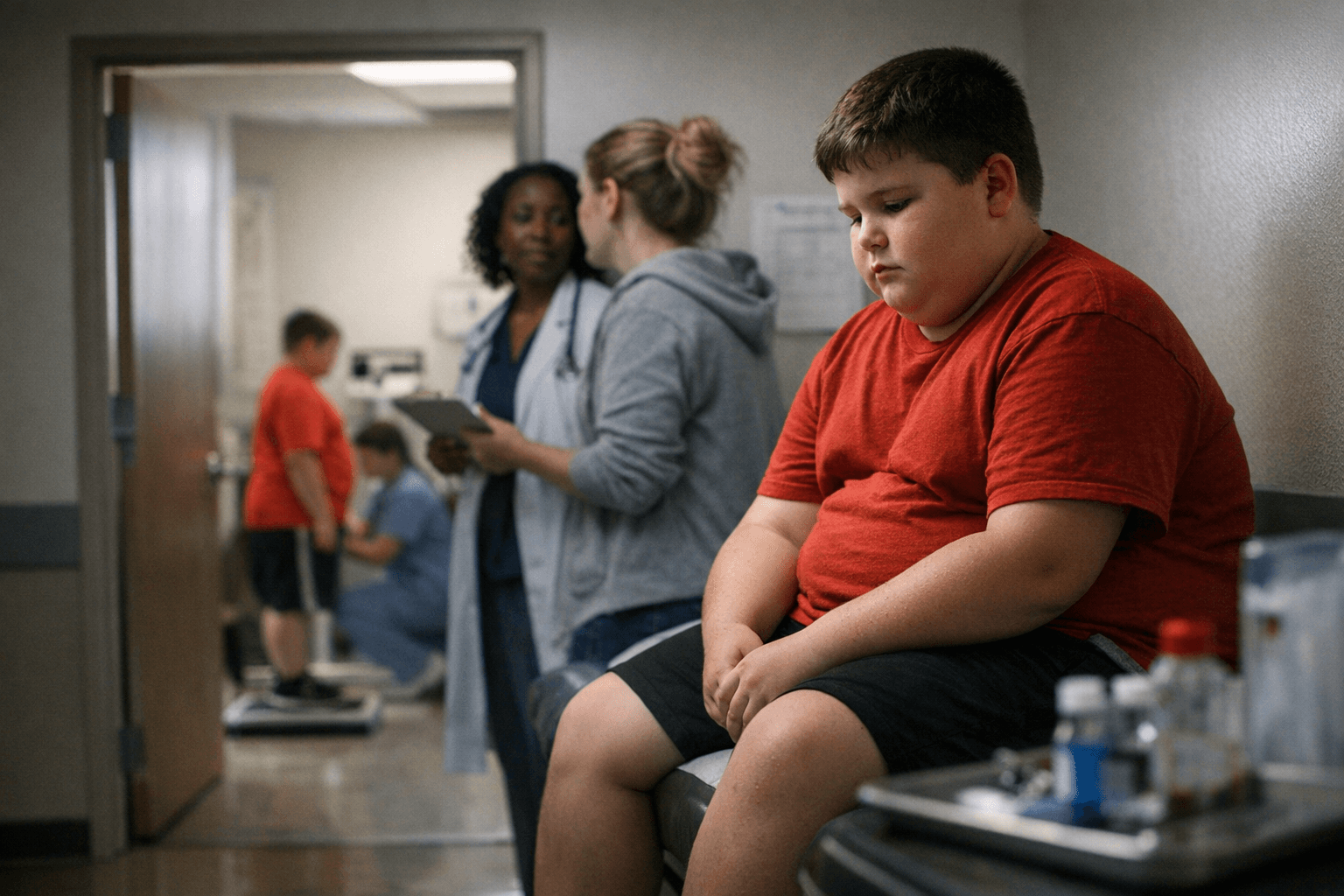
Organizers set out three pillars for action: for children, for health systems and for communities. Under "For children," the federation states, "Every child deserves a fair start in life. Addressing childhood obesity means creating supportive environments, tackling stigma, and ensuring access to prevention and care from the earliest years." The campaign urges policy shifts and investments that reshape food environments, expand access to prevention and treatment within primary care, and protect children from commercial drivers of unhealthy diets.
The World Obesity Day outreach is accompanied by resource releases on the WHO Knowledge-Action-Portal, including a "World Obesity Day - Advocacy Toolkit" dated 30 January 2026 and WHO's existing acceleration plan to stop obesity from June 2023. Health advocates say those toolkits aim to convert broad commitments into concrete steps for ministries of health, education and urban planning, though the campaign materials stop short of prescribing specific policy models in the public excerpts.
Organizers are pairing technical materials with public-facing actions intended to destigmatize and mobilize communities. The campaign encourages people to "raise awareness, challenge weight-based stigma, and spark conversations at home, school, work, or online, including through initiatives like making the ‘O’ for Obesity." It also recommends community events such as "Walk for WOD" and lighting monuments to mark the day while "centering the voices of lived experience" in messaging and planning.
Public health experts and advocates see two immediate risks if systems-level responses lag: rising clinical demand for chronic disease care that outpaces workforce and infrastructure, and widening socioeconomic disparities as children in poorer settings face the greatest increases. The federation argues the measures are broadly beneficial: "The measures we take to prevent and treat obesity will benefit every single one of us."
For policymakers, the campaign poses a clear test: translate the projection that half the world could be overweight or obese by 2035 into targeted investments now in prevention, primary care capacity and regulatory measures that alter food and physical environments. For communities, the campaign emphasizes practical engagement and stigma reduction. World Obesity Day 2026 aims to turn urgent projections into policy and local action that protect children and shore up health systems before the next generation faces avoidable chronic disease burdens.
This article was produced by Prism’s automated news system from verified source data, official records, and press releases, then run through automated quality and moderation checks before publishing. The system is built and supervised by the people who set the standards it runs under. Read our full AI policy.
Did this article answer your question?