World Press Photo names ICE arrest image its 2026 top prize
World Press Photo gave its top prize to an ICE arrest image, sharpening the contest’s line on what counts as real photography as AI tools spread.

World Press Photo named Carol Guzy’s Separated by ICE its 2026 World Press Photo of the Year, elevating a photograph of an Ecuadorian migrant detained after an immigration court hearing in New York City into the contest’s highest honor. The image was made on August 26, 2025, inside the Jacob K. Javits Federal Building, one of the few U.S. federal buildings where photographers were granted access.
The decision lands in a year when the contest’s standards carry as much weight as the prize itself. Guzy’s winning frame came from ICE Arrests at New York Court, the broader project that won in the Stories category for North and Central America. World Press Photo selected the top image from 42 category winners, chosen from 57,376 photographs submitted by 3,747 photographers in 141 countries. The annual exhibition opens April 24, 2026, at De Nieuwe Kerk in Amsterdam before touring worldwide.
The organization has made its position on synthetic imagery clear. In November 2023, World Press Photo changed its rules to prohibit generative fill and fully generated images in the Open Format category, extending its long-standing ban on such images elsewhere in the contest. The change was framed around accuracy and trustworthiness, the values that now separate accepted photojournalism from images that may be visually persuasive but no longer document a moment in the field.
That distinction sits at the center of the modern contest. Judges are now valuing whether an image was captured in the real world, how far it was edited, whether any AI assistance was disclosed, and whether the photographer’s intent served documentation rather than invention. World Press Photo’s latest winner reinforces the idea that the decisive virtue is not visual polish, but proof that a camera was present when history was unfolding.
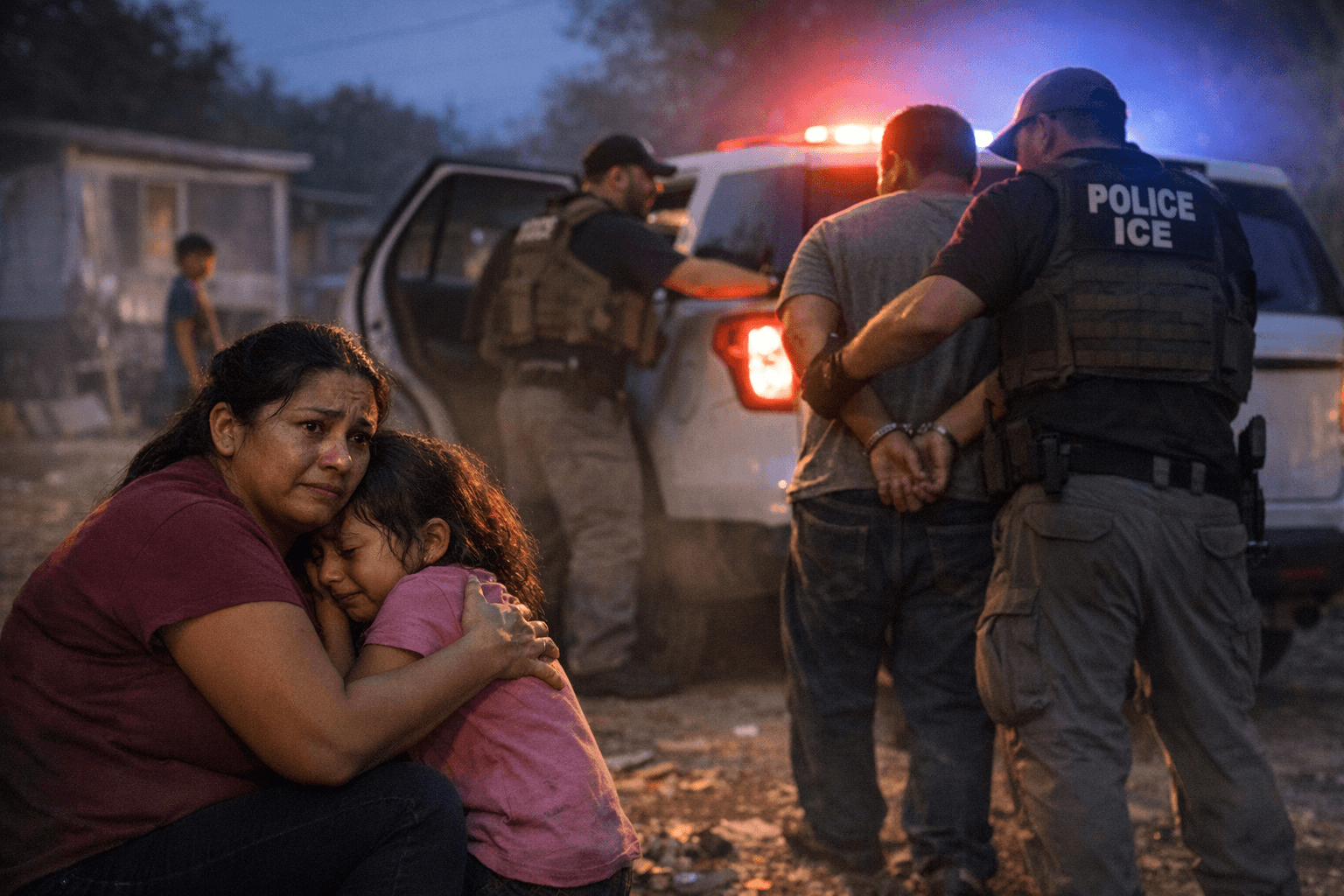
The subject of Guzy’s image, identified as Luis, became part of a larger record of enforcement at immigration courts. World Press Photo said the work reflects a government policy being applied systematically to people who followed the rules they were given. The organization also noted that at least 1,360 children separated between 2017 and 2021 had not yet been reunited with their families as of early 2025, underscoring the longer human toll behind the picture.
Jury chair Kira Pollack said photojournalism matters because photographers make a record in places where history is unfolding. Guzy said the award underscores the story’s global importance and belongs to the affected families. In an industry being remade by synthetic image tools, World Press Photo used its top prize to draw a sharper boundary: the most valued photograph is still the one that can be traced to a real event, a real place, and a real witness.
This article was produced by Prism’s automated news system from verified source data, official records, and press releases, then run through automated quality and moderation checks before publishing. The system is built and supervised by the people who set the standards it runs under. Read our full AI policy.
Did this article answer your question?

