Wright, Kelly discuss Iran ceasefire, hantavirus outbreak on Face the Nation
A fragile Iran ceasefire and a deadly cruise ship hantavirus cluster put Chris Wright, Mark Kelly and Scott Gottlieb at the center of Sunday’s national-security and health debate.
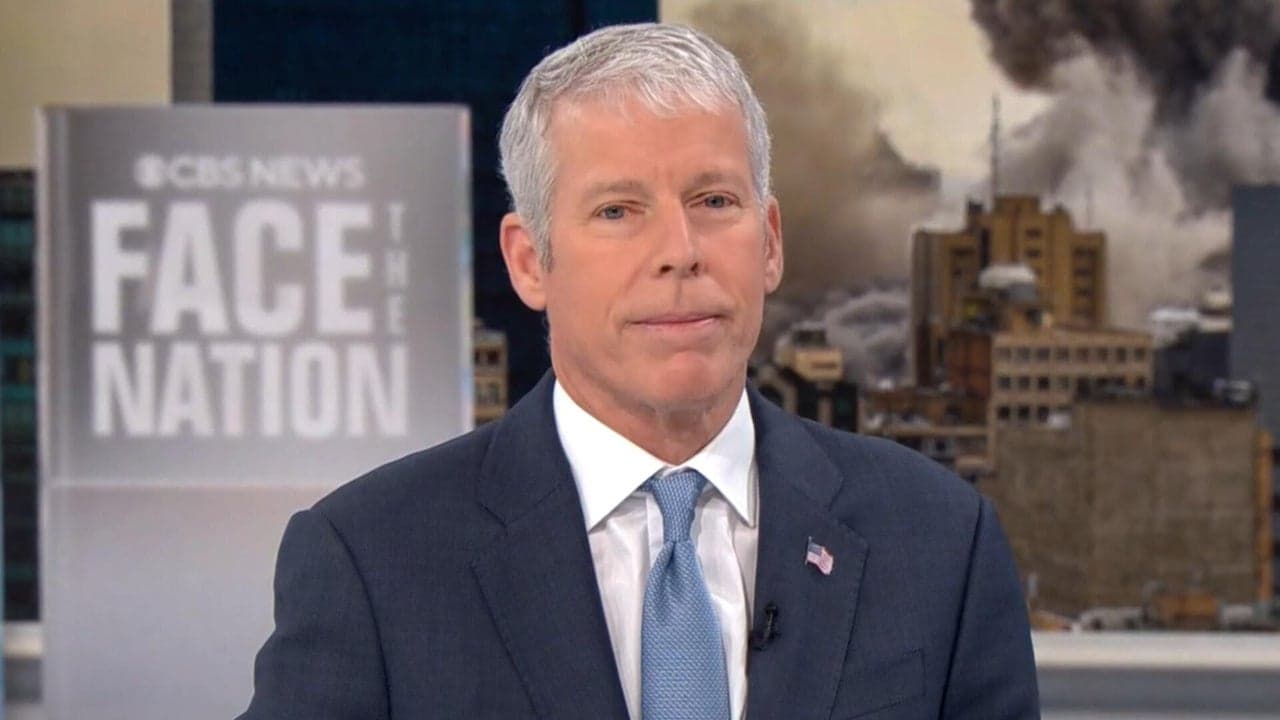
A fragile ceasefire with Iran, a shipping threat in the Strait of Hormuz and a deadly hantavirus cluster aboard a cruise ship gave Margaret Brennan’s Sunday lineup a sharp policy edge. Energy Secretary Chris Wright and Democratic Sen. Mark Kelly were the main voices on Iran, while former FDA Commissioner Scott Gottlieb carried the health warning tied to the M/V Hondius outbreak.
The political signal from the guest list was clear: the administration and its critics were using the same broadcast to frame the week around security, not just diplomacy. CBS News listed Wright, Kelly, Democratic Rep. Ted Lieu and Gottlieb for the May 10 edition of Face the Nation, and posted separate transcripts for the Wright, Kelly and Gottlieb interviews, showing those segments were part of the same national conversation.
The Iran exchange landed after the U.S. State Department said on May 5 that Iran was threatening shipping in the Strait of Hormuz and that the United States had proposed a United Nations Security Council resolution to defend freedom of navigation there. That backdrop made Wright’s appearance about more than ceasefire maintenance. It put energy security, maritime commerce and the risk to global oil flows at the center of the discussion, with the Strait of Hormuz again functioning as the pressure point where foreign policy and the U.S. economy meet.
Kelly’s role was equally important for Democrats trying to show they can talk about national security without ceding the issue to Republicans. As a Democratic senator from Arizona, Kelly gave the party a military and aerospace credentialed voice on Iran at a moment when the ceasefire remained fragile and the administration was trying to keep the focus on deterrence and shipping lanes. Lieu’s appearance added the electoral layer, with the California Democrat set to address whether his party could take control of the House in November.
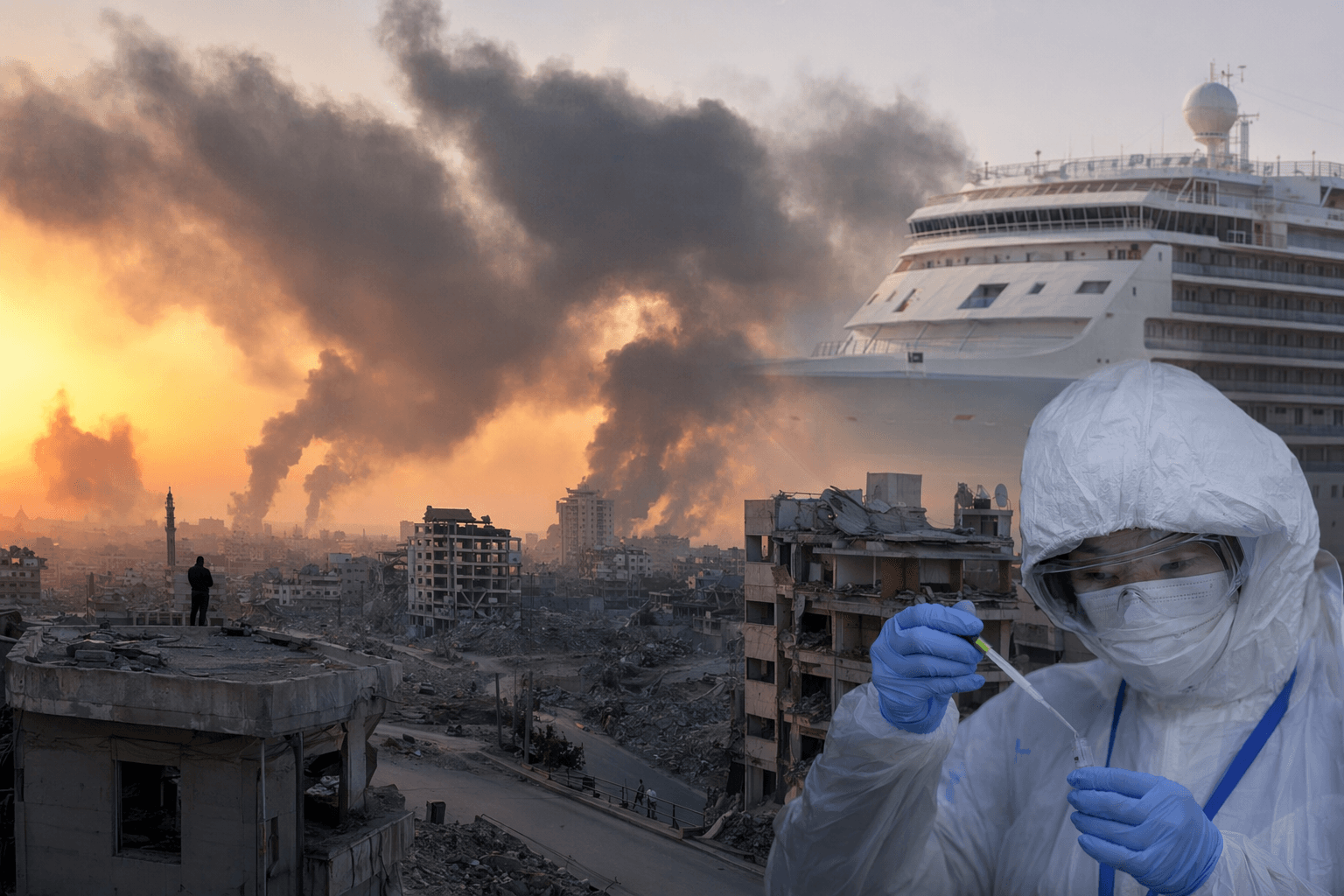
Health policy also carried real urgency. CDC said it was responding to a deadly hantavirus outbreak on the M/V Hondius in the Atlantic Ocean, first reported on May 2. The World Health Organization confirmed on May 6 that the virus involved was Andes virus, and CDC said on May 8 that the risk to the American public remained extremely low. Even so, CDC’s outbreak notice said the cluster included two deaths and one critically ill passenger, a reminder that a fast-moving cruise ship outbreak can become an international public-health problem before most Americans have heard of it.
CDC also said Andes virus can lead to hantavirus pulmonary syndrome, a severe and potentially deadly lung disease. That made Gottlieb’s segment a test of how the country communicates danger without amplifying panic, especially when the threat is real but the broader public risk is still low.
This article was produced by Prism’s automated news system from verified source data, official records, and press releases, then run through automated quality and moderation checks before publishing. The system is built and supervised by the people who set the standards it runs under. Read our full AI policy.
Did this article answer your question?

