Writers Guild of America Reaches Tentative Deal With Major Studios Early
The WGA struck a surprise four-year deal with studios after just three weeks of talks, rescuing a health fund that lost $200 million and expanding AI protections from the 2023 strike.
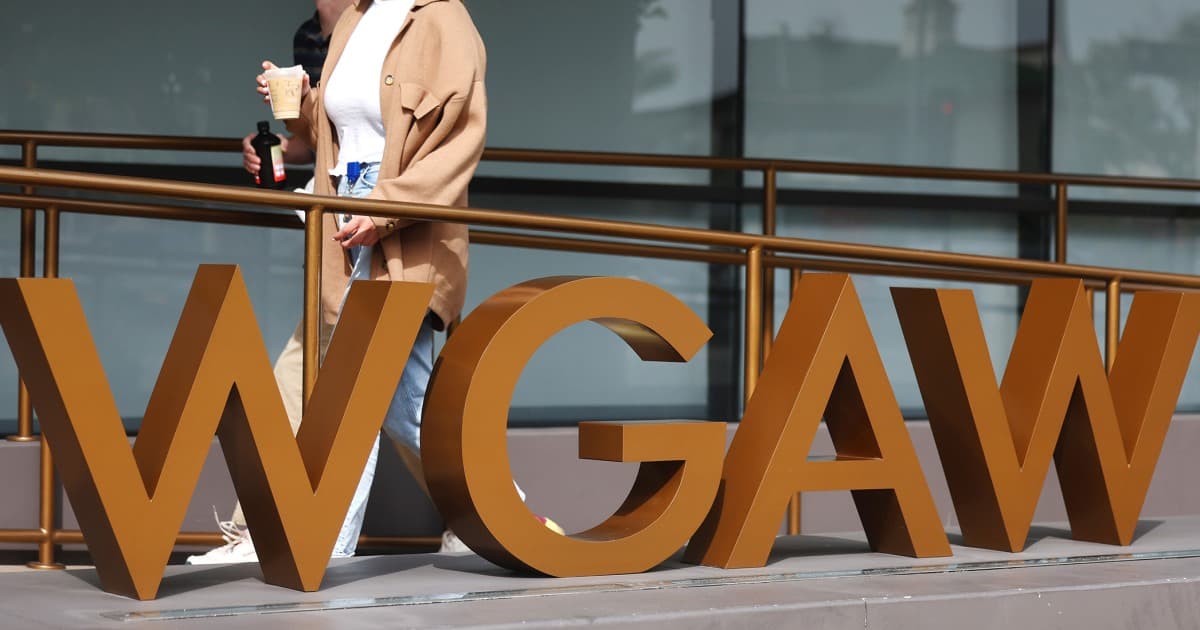
Three weeks into negotiations, the Writers Guild of America's bargaining committee unanimously approved a tentative four-year contract with the Alliance of Motion Picture and Television Producers late Saturday, reaching agreement a full month before the guild's May 1 contract expiration and averting any threat of a repeat of the 148-day strike that shut down Hollywood in 2023.
"The WGA Negotiating Committee has unanimously approved a tentative agreement with the AMPTP for the 2026 Minimum Basic Agreement," the guild announced on social media Saturday night. "This deal protects writers' health plan and puts it on a sustainable path, builds on gains from 2023, and helps address free work challenges."
The health plan's survival was the gravitational center of the talks. WGA data showed annual contributions to the fund fell to $219.8 million in 2025, a 9 percent drop from $241.1 million in 2022, while costs surged from $172 million annually in 2020 to $281.7 million in 2025, a 63 percent increase driven by production cutbacks and broader healthcare inflation. At that trajectory, the guild had projected the plan would exhaust its reserves entirely within the new contract's four-year term. The agreement is reported to include a substantial cash infusion and increased company contribution caps specifically designed to stabilize the fund.
The four-year duration, one year longer than the standard three-year cycle, was a central AMPTP priority, with new president Greg Hessinger seeking stability across all three above-the-line union negotiations. WGA chief negotiator and WGAW Executive Director Ellen Stutzman led the guild's side alongside negotiating committee co-chairs John August and Danielle Sanchez-Witzel.
Beyond the health fund, the deal is reported to extend the AI protections the guild won during the 2023 strike, add increases to streaming residuals for subscription video-on-demand platforms, expand discussions around development rooms, and address the "free work" issue that has eroded writer compensation on both the television and feature sides. Crucially, full contract language, including specifics on AI enforcement mechanisms and minimum staffing requirements, will not be publicly released until the membership ratification vote is complete. The WGA's standard practice is to withhold granular terms until after members vote, meaning the precise scope of how AI use will be monitored on productions and how staffing floors will be enforced remains, for now, unconfirmed.

The 2023 contract had established baseline rules barring AI output from being classified as "literary material" and prohibiting studios from using a writer's work to train generative AI models without consent. How the 2026 agreement expands those guardrails, particularly in the wake of collapsed partnerships like Disney and OpenAI's, is a question the guild has signaled will be addressed but not yet specified. Minimum staffing rules, which in 2023 set floors of three to six writers per streaming show depending on season length, are also expected to be touched by the new agreement.
The deal now moves to the WGAW Board and WGAE Council for recommendation before going to membership for a ratification vote.
The agreement's timing carries weight beyond Hollywood. SAG-AFTRA and the Directors Guild of America both face June 30 contract expirations, and the WGA deal is widely expected to set a pattern for those negotiations, particularly on AI compensation and streaming economics. SAG-AFTRA, whose talks with the AMPTP were paused earlier this spring to allow the WGA process to move forward, is expected to return to the table no later than June. Insiders described the WGA-AMPTP negotiations as "way more productive" than the 2023 talks, a signal that the four-year deal could anchor a broader period of Hollywood labor stability.
The WGA agreement also lands as tech-adjacent industries, from video game development to software publishing, grapple with their own AI displacement pressures and look to entertainment union contracts as the most visible tests of how enforceable workplace AI rules actually function in practice. What ratification ultimately reveals about audit mechanisms and enforcement language will matter far beyond the studio lot.
This article was produced by Prism’s automated news system from verified source data, official records, and press releases, then run through automated quality and moderation checks before publishing. The system is built and supervised by the people who set the standards it runs under. Read our full AI policy.
Did this article answer your question?