WTO Digital Trade Moratorium Lapses After Yaoundé Talks Fail to Reach Consensus
The 28-year WTO moratorium shielding digital downloads, cloud software and streaming from customs duties expired Monday after Brazil blocked a last-minute deal in Yaoundé.
For twenty-eight years, buying software across borders, streaming a film from a foreign server, or subscribing to a cloud platform was governed by a quiet global agreement: no customs duties, ever. That agreement is now gone.
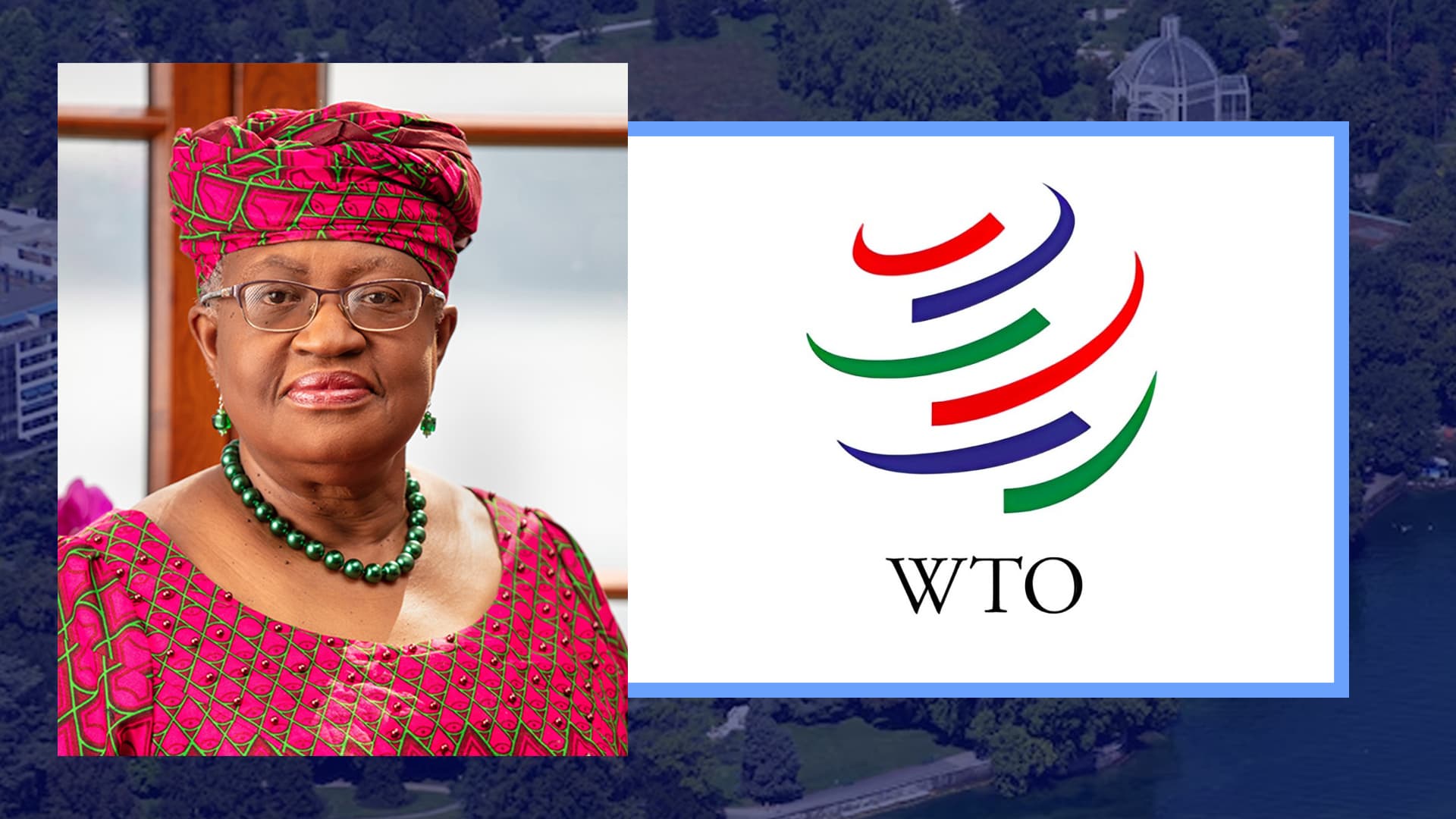
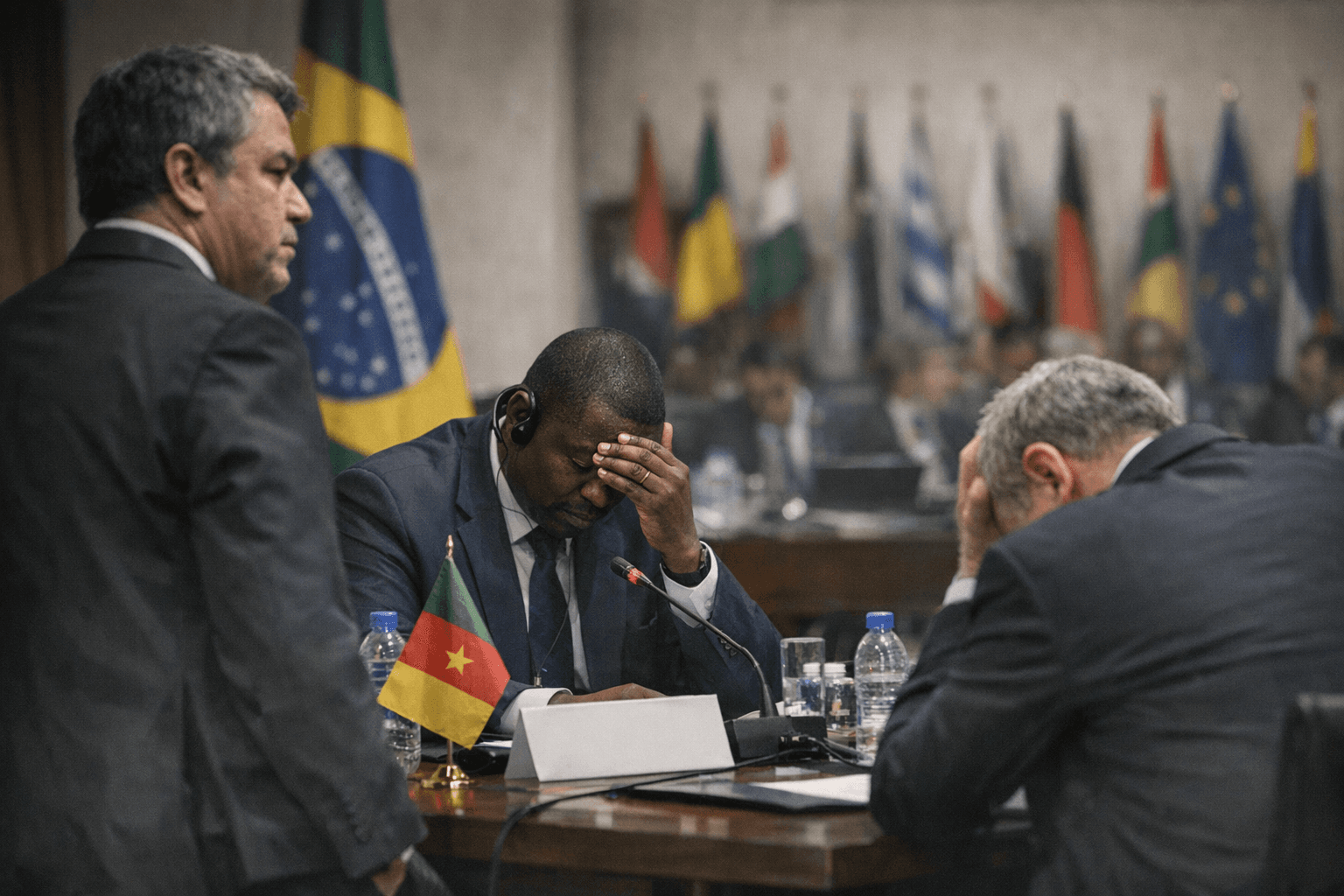
WTO Director-General Ngozi Okonjo-Iweala confirmed Monday that the e-commerce moratorium had expired after negotiators at the organization's 14th Ministerial Conference in Yaoundé, Cameroon failed to reach consensus before the March 31 deadline. The conference, which ran from March 26 to 29, ended in deadlock early Monday with further talks expected to resume in Geneva in May.
Brazil was the proximate cause of the collapse. U.S. Trade Representative Jamieson Greer had pushed for a permanent moratorium, transforming what had previously been a rolling two-year extension into an indefinite commitment. Diplomats said Brazil had been prepared to accept another modest renewal but balked at making the ban on electronic transmission duties permanent. Brazil's objection was also tactical: the country blocked the e-commerce proposal in part to protest a lack of progress in separate agriculture talks, a linkage that crystallized the broader dysfunction now straining the WTO's ability to update trade rules for the digital era.
India, which had staked out the most vocal opposition to any extension in the lead-up to the conference, shifted its position Saturday and dropped its veto to support a limited renewal. That cleared one hurdle only to expose another: even a draft compromise text proposing a five-year extension, rather than the two-year renewal that prior ministerials had adopted, could not attract consensus before time ran out.
India's Commerce Minister Piyush Goyal had set the tone on the opening day, declaring that "the continued extension of this moratorium warrants careful reconsideration" and citing unresolved questions about the moratorium's scope and its fiscal implications for developing economies. That argument has wide backing among the Global South. Developing countries contend the moratorium allows multinational digital platforms to route vast volumes of taxable commerce through favorable jurisdictions, leaving emerging economies unable to capture customs or tax revenue from cross-border digital activity. The core tension has never been resolved: fiscal sovereignty for poorer nations versus the open architecture that allowed the digital economy to flourish in the first place.
For American small businesses, the stakes are concrete and arithmetic. Consider a U.S. software developer selling a $30-per-month SaaS subscription to clients abroad. If a country imposes even a 10 percent electronic transmission duty, that is $3 in new per-transaction cost, plus the compliance burden of identifying each buyer's jurisdiction, calculating the applicable rate, and remitting revenue to foreign customs authorities. Multiply that across thousands of subscriptions and dozens of potential duty-applying markets, and the compliance overhead alone can dwarf the duty itself. The International Chamber of Commerce, which lobbied intensively for renewal ahead of Yaoundé, warned that small and medium enterprises bear disproportionate exposure precisely because they lack the legal and logistics infrastructure that large platforms can absorb.
The moratorium's expiration does not mean duties will materialize overnight. Any country imposing new tariffs must first go through its own domestic trade processes, and unilateral moves would likely invite dispute proceedings at the WTO. But the legal floor has shifted: the multilateral commitment that made electronic transmissions presumptively duty-free no longer exists. For the first time since the moratorium's creation in 1998, a government can pursue customs revenue from a downloaded app, a streamed film, or a cross-border software license without violating an agreed WTO framework.
Negotiators will reconvene in Geneva in May, where the immediate question is whether a new deal is achievable or whether the world's digital trade architecture begins to fragment along the same geopolitical lines dividing goods trade. If Geneva also fails, the most likely outcome is a patchwork of bilateral and regional digital trade agreements, each with its own tariff schedules, compliance requirements, and definitions of what qualifies as an electronic transmission. That scenario falls hardest on smaller firms and smaller economies who cannot afford to negotiate market access independently and who benefited most from the universal simplicity the moratorium provided for nearly three decades.
This article was produced by Prism’s automated news system from verified source data, official records, and press releases, then run through automated quality and moderation checks before publishing. The system is built and supervised by the people who set the standards it runs under. Read our full AI policy.
Did this article answer your question?