WTO Digital Trade Talks Stall as U.S. and India Clash Over Moratorium
Jamieson Greer and India's negotiators deadlocked in Yaoundé over whether to make the 1998 digital tariff moratorium permanent, risking the first lapse in 27 years.
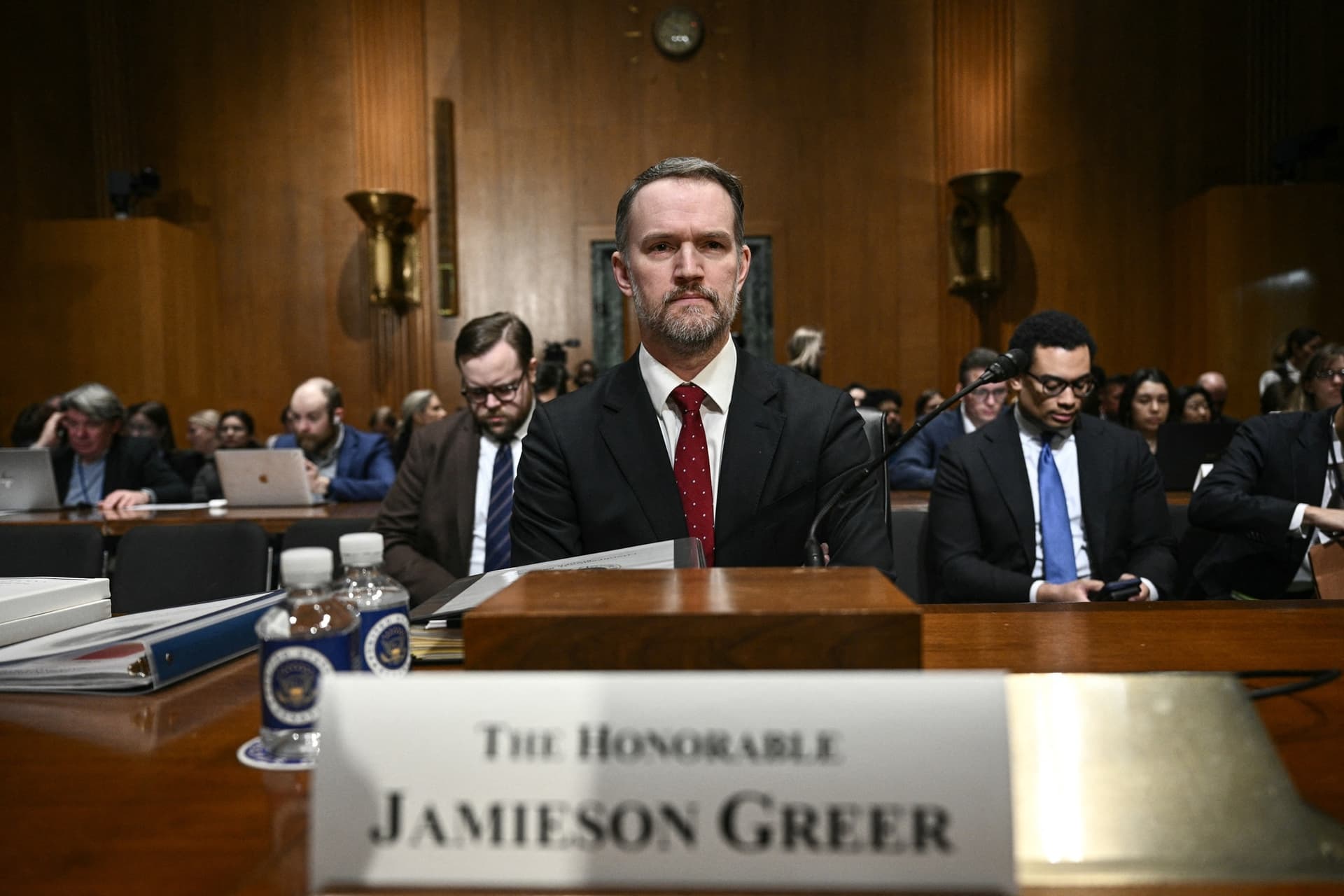
Jamieson Greer walked into the World Trade Organization's final negotiating session in Yaoundé, Cameroon, on Sunday with a clear position: another short-term extension of the digital trade moratorium was not what Washington came to accept.
Across the table, India's negotiators were equally firm. New Delhi had signaled a willingness to accept a two-year renewal of the moratorium, the rule that since 1998 has prevented WTO members from imposing customs duties on electronic transmissions, but remained opposed to making that protection permanent. The result was a standoff that threatened to let the moratorium expire entirely, a lapse that would represent the first opportunity in 27 years for governments to begin taxing downloads, streaming video, and cloud services at the border.
The moratorium has been renewed on a biennial basis since the late 1990s and, in practice, has underpinned the tariff-free international movement of music, software, and digital content that major U.S. cloud and streaming companies depend on. For the United States, allowing another temporary extension risks kicking the same political fight two years down the road; for India and other emerging economies, permanence means locking in what they see as a structural advantage for wealthy-country digital providers without receiving compensating concessions on technology transfer or digital-trade capacity building.
"If the moratorium does not get extended, the U.S. will use it as an excuse to beat the WTO on the head," one senior diplomat warned, a statement that captured the wider frustration of Western delegations watching a foundational digital trade rule teeter on the edge of expiration.
Business leaders present at the ministerial in the Cameroonian capital warned that even a brief lapse could produce immediate uncertainty for multinational digital companies and cloud providers, potentially triggering a patchwork of divergent national tariffs that would raise costs for end users and complicate supply chains built on the assumption of predictable cross-border rules.
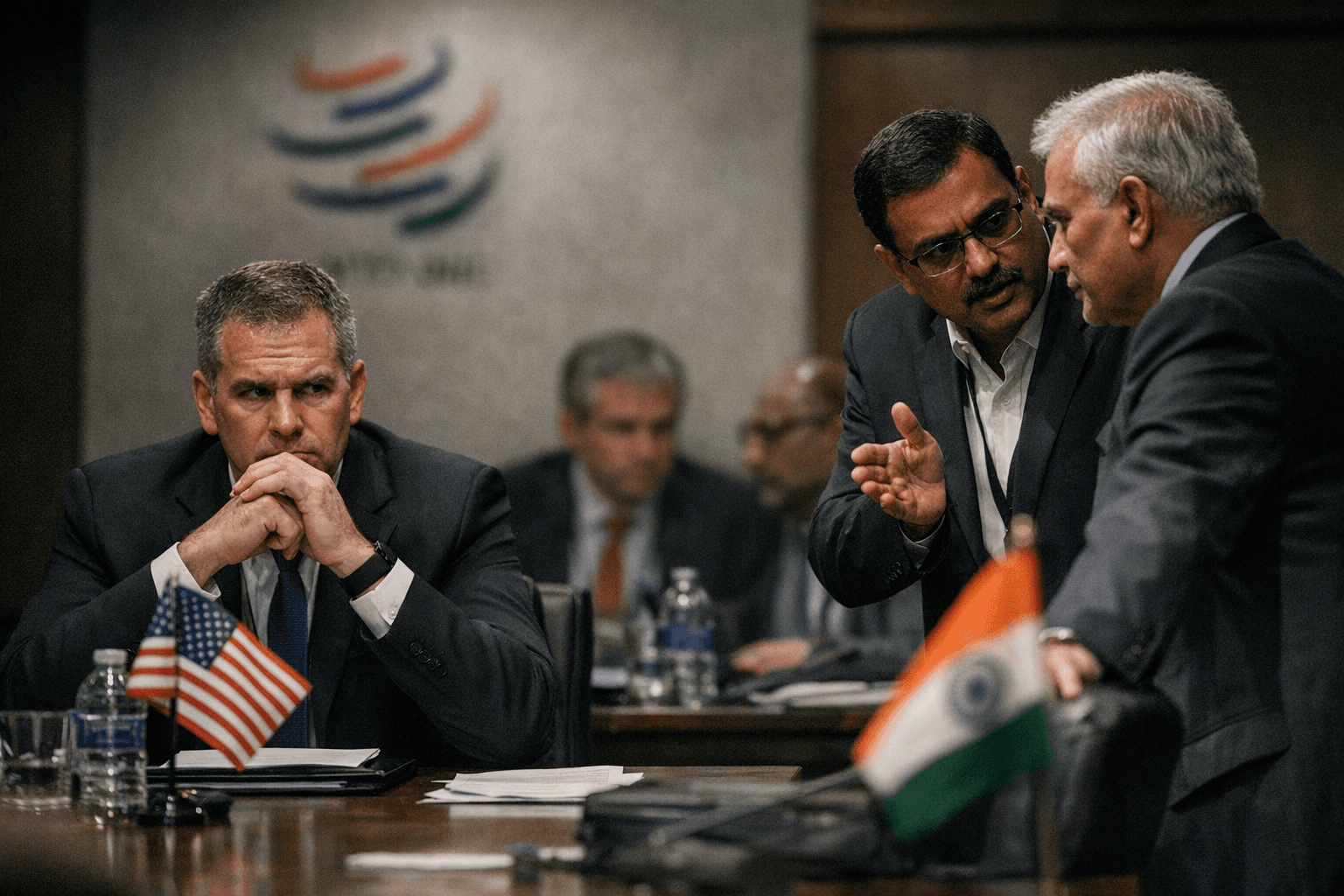
India's resistance carries a logic that resonates across the developing world. Permanent protection for tariff-free digital transmission, without compensatory commitments, effectively freezes in place an arrangement that overwhelmingly benefits companies headquartered in the United States and other high-income economies. Deloitte and other trade analysts have framed the standoff as a proxy for broader WTO tensions: market access asymmetries, development priorities, and industrial policy ambitions that rich and poor countries continue to weigh very differently.
Any permanent settlement that could satisfy both sides would likely require the United States to offer meaningful concessions, whether a phased implementation timeline, explicit technology transfer commitments, or other measures that give developing economies a tangible stake in the outcome. Short of that, the gap between Greer's call for permanence and India's two-year extension remained, as Sunday's session drew to a close, the central obstacle to an agreement.
The failure to resolve the moratorium question carries a reputational cost for the WTO itself. An organization already under pressure to demonstrate relevance in a digital-era trade environment could ill afford to let a 27-year-old rule lapse, not because of principled opposition to digital trade, but because two of its most powerful members could not close a two-year gap in ambition.
This article was produced by Prism’s automated news system from verified source data, official records, and press releases, then run through automated quality and moderation checks before publishing. The system is built and supervised by the people who set the standards it runs under. Read our full AI policy.
Did this article answer your question?