WTO says global trade remains resilient but growth may be slowing
Global trade is still holding up, but the WTO’s latest gauge slipped to 101.7, hinting that weaker orders and strained shipping could soon reach U.S. prices and exports.

The latest WTO signal says world trade is still expanding, but the cushion is getting thinner. Its Goods Trade Barometer fell to 101.7 from 102.3 in January, still above the 100 baseline but softening at a moment when export orders were only 100.5 and agricultural raw materials and automotive products were already below trend.
That matters because the WTO barometer is designed to flag turning points before broader trade data arrives. The June reading showed a mixed picture: electronics components were at 105.5, container shipping at 102.4 and air freight at 102.2, suggesting that demand tied to artificial intelligence and active freight flows are still propping up commerce. But the fact that the index eased from January points to an economy that remains resilient while losing momentum.
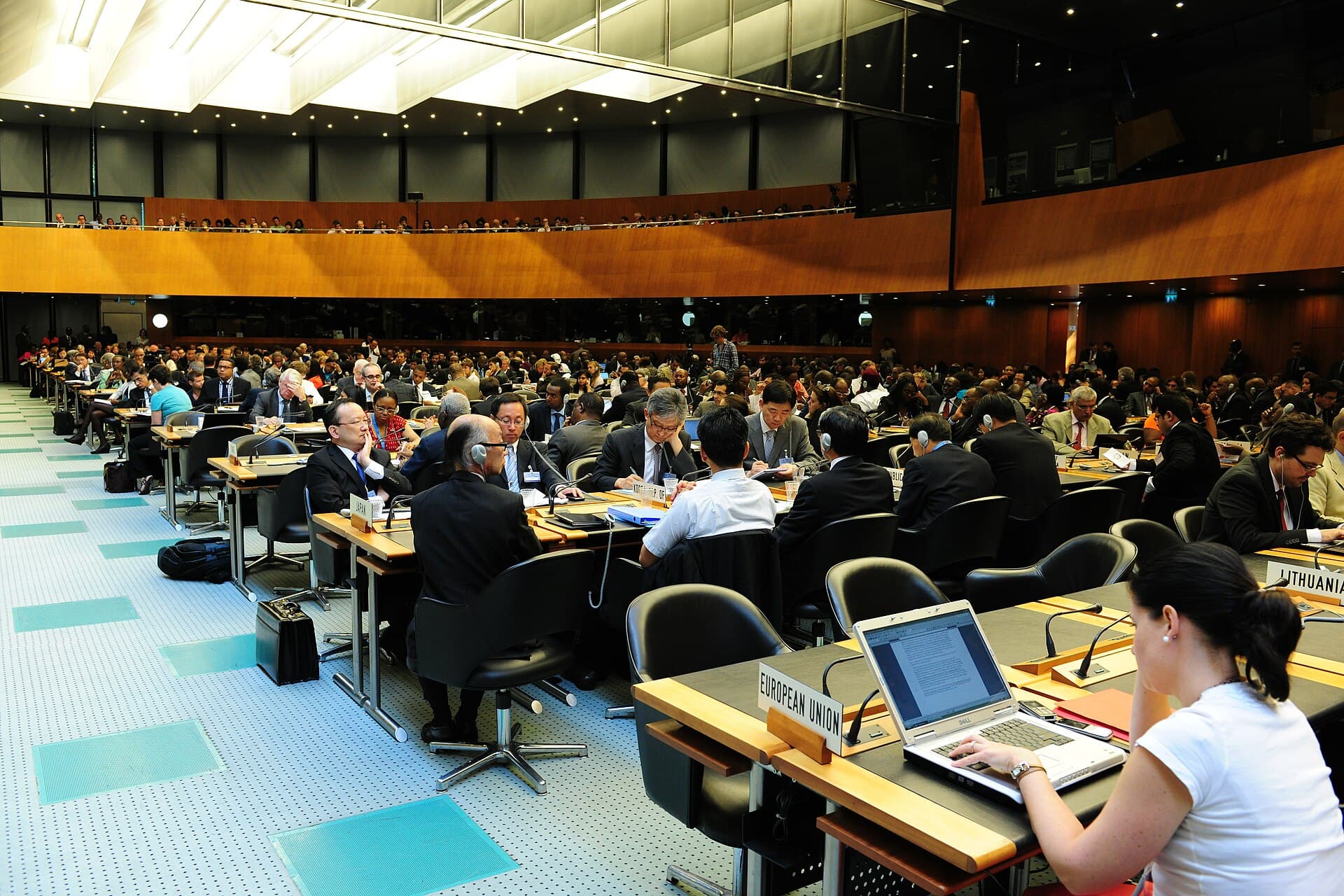
The World Trade Organization said global merchandise trade held up in the first half of 2026 despite disruption from the Middle East conflict, helped in part by surging demand for electronic components tied to AI. That resilience, however, may not last if the strain persists. Higher energy prices can filter into consumer goods, manufacturing inputs and transport costs, while shipping disruptions can slow inventory restocking and stretch delivery times for U.S. importers and retailers.
The WTO had already put a weaker growth path on the table in its March 19 Global Trade Outlook and Statistics. It forecast merchandise trade volume growth of 1.9% in 2026, down sharply from 4.6% in 2025, before rebounding to 2.6% in 2027. In a downside scenario, sustained conflict in the Middle East pushing energy prices higher could cut 2026 trade growth to 1.4%. The organization also said sustained AI investment could add 0.5 percentage points to growth in either scenario.

That comparison shows what has changed since the earlier outlook: trade is not collapsing, but the balance of risks is shifting. The WTO now says world trade is set to slow in 2026 after stronger-than-expected growth in 2025 driven by AI-enabling products, and it warned that conflict in the Middle East could pressure food supplies and services trade through travel and transport disruptions. For U.S. consumers, that raises the odds of costlier imports if freight and energy remain tight. For businesses, it points to weaker export demand, thinner margins and a more fragile shipping environment heading into the WTO’s next forecast in October 2026.
This article was produced by Prism’s automated news system from verified source data, official records, and press releases, then run through automated quality and moderation checks before publishing. The system is built and supervised by the people who set the standards it runs under. Read our full AI policy.
Did this article answer your question?

