Wyden probes Leon Black's Epstein payments, tax avoidance scheme
A Senate probe says Leon Black paid Jeffrey Epstein $170 million for tax and estate advice, even as Epstein’s notoriety grew and the money may have helped fund his island operation.

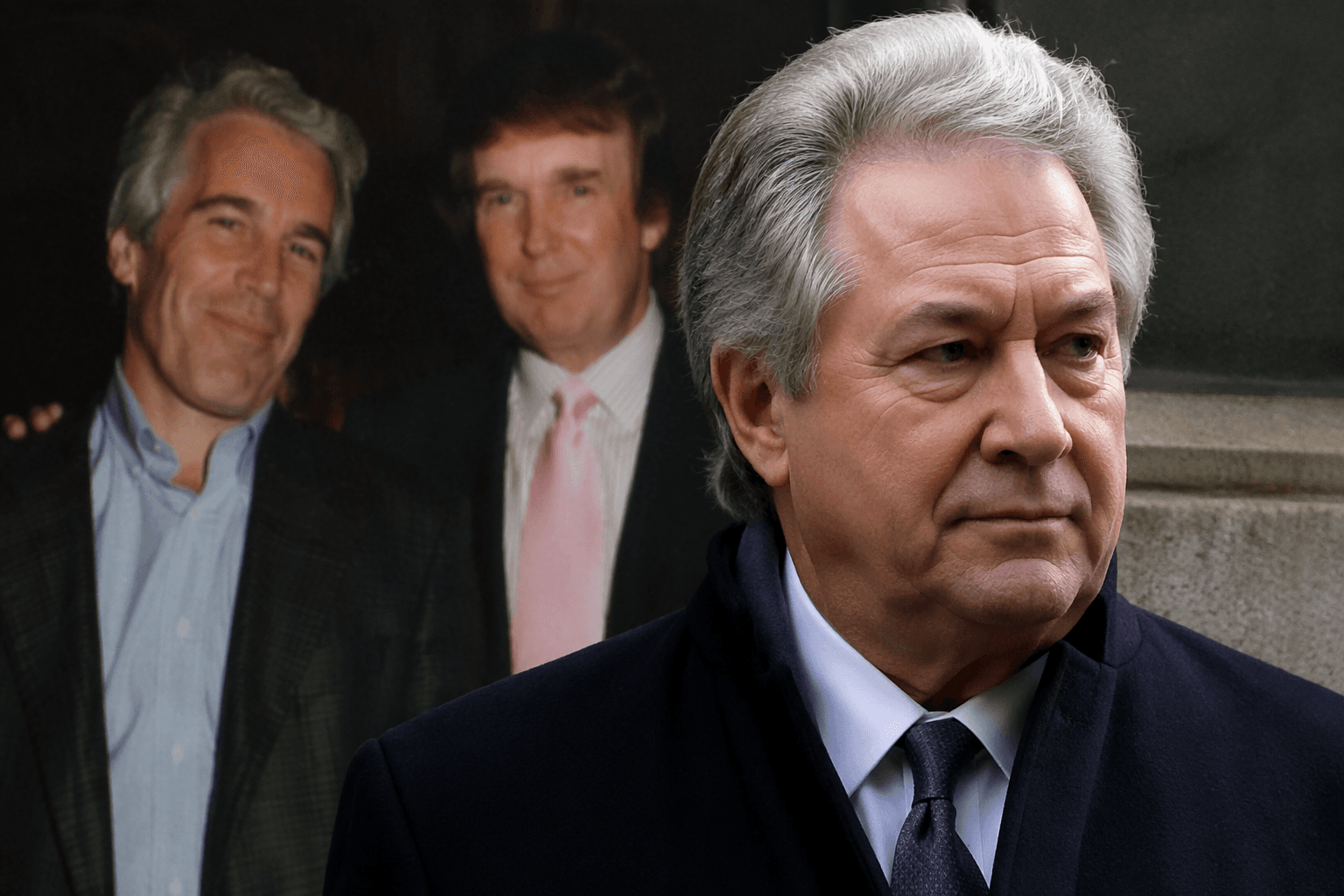
A billionaire paying Jeffrey Epstein $170 million for tax and estate advice, years after Epstein was already notorious, is now at the center of a Senate Finance Committee inquiry into how elite wealth moved through Wall Street, tax law and offshore secrecy. Sen. Ron Wyden says the payments from Leon Black raise a basic question: what, exactly, was Epstein doing to justify sums that dwarfed what Black paid other advisers and sat far above the median compensation of Fortune 500 chief executives.
Wyden’s committee said Black paid Epstein at least $158 million between 2012 and 2017. Newly obtained documents, Wyden said, pushed that total to $170 million, $12 million more than the Apollo Global Management board’s earlier internal review had identified. Apollo had commissioned Dechert LLP to examine the Epstein ties after questions surfaced, and Black stepped down as Apollo chief executive in January 2021 after the review became public.
The committee says the payments were tied to tax and estate planning work, but the amounts themselves are the mystery. Wyden said Epstein helped structure a transaction designed to let Black avoid more than $1 billion in federal taxes. The committee also said another trust transaction was reported to have saved Black about $600 million in future gift and estate taxes, with Black paying Epstein $20 million for his role. Black and his lawyers have not given, Wyden said, a credible explanation for why Epstein was paid so much more than other advisers.

Black has said he paid Epstein from 2012 to 2017 for advice on trust and estate planning, tax issues and his family office. His attorney, Susan Estrich, has said the work was legitimate and allegedly saved Black’s family billions. Wyden remains unconvinced, and he is pressing the Justice Department, Treasury Department and Federal Bureau of Investigation for records that could show who knew about the arrangements and who may have helped move the money.
The inquiry widened in March 2025, when Wyden said Epstein’s money helped partially fund his operations in the U.S. Virgin Islands. Wyden also said Black paid $62 million to the territory to secure criminal immunity for himself, his lawyers and others acting as his agents. He further said a major U.S. bank waited seven years to report Black’s Epstein payments to Treasury, a delay that could have run afoul of anti-money-laundering rules. The case now points beyond one billionaire’s payments and toward the institutions that let the money move without harder questions.
This article was produced by Prism’s automated news system from verified source data, official records, and press releases, then run through automated quality and moderation checks before publishing. The system is built and supervised by the people who set the standards it runs under. Read our full AI policy.
Did this article answer your question?