Wyoming plan seeks perpetual fund to stabilize rural hospitals
Wyoming proposed investing part of a federal Rural Health Transformation Program award into a perpetuity to shore up rural hospitals, EMS, workforce and telehealth.
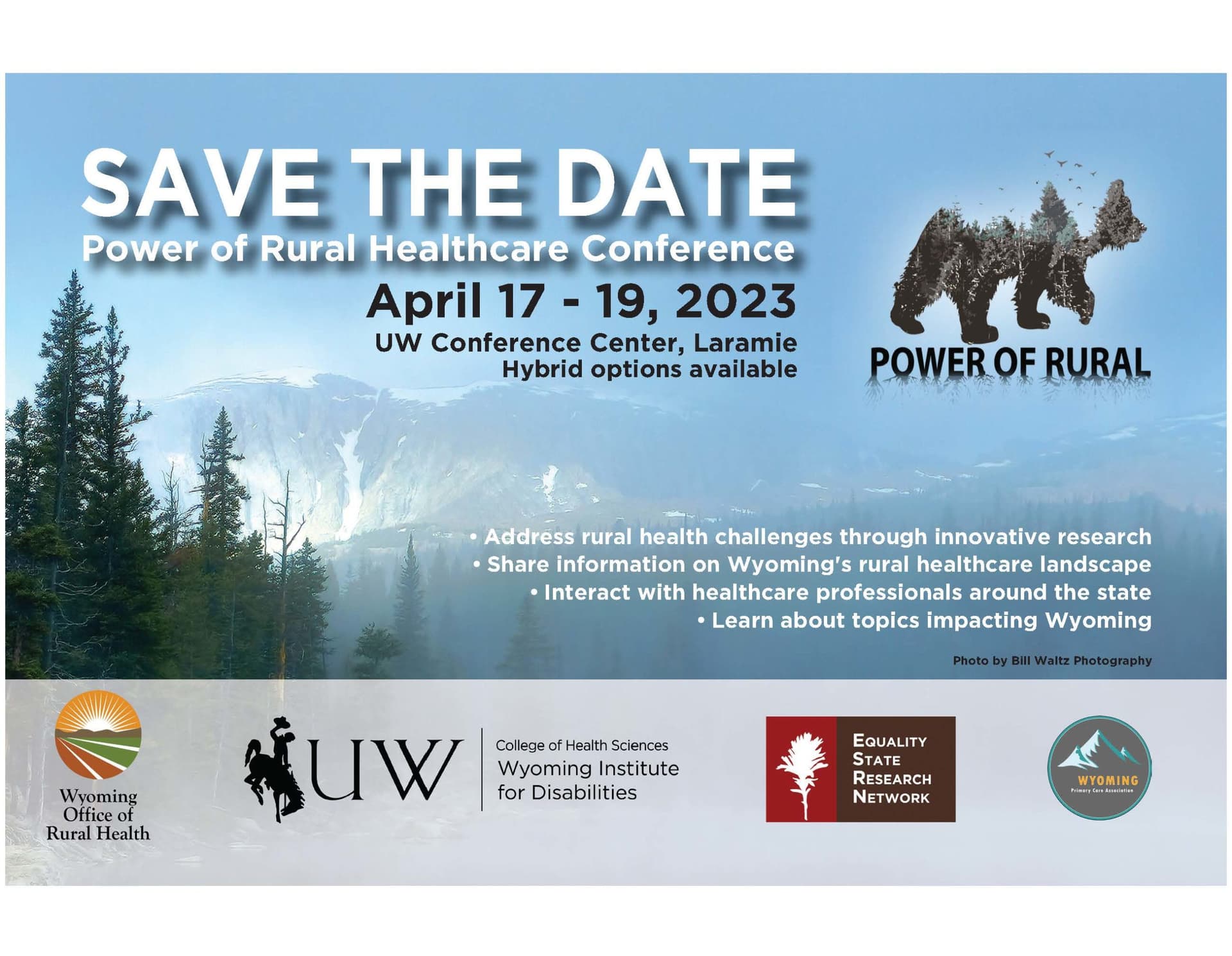
State health officials described a plan to turn part of Wyoming’s federal Rural Health Transformation Program (RHTP) award into a long-term investment vehicle intended to support rural healthcare beyond the five-year federal window. The Wyoming Department of Health outlined priorities that focus on stabilizing small hospitals, regionalizing emergency medical services funding, strengthening the health workforce, and expanding telehealth and remote monitoring for chronic disease.
The centerpiece of the proposal is the Wyoming Health Transformation Perpetuity, an investment mechanism that would set aside a portion of RHTP funding to generate returns over subsequent decades. State officials framed the approach as multi-decade in scope, intended to create a sustained revenue stream for health initiatives after the initial federal program ends. WDH also noted the amount Wyoming will receive in the first year of RHTP as part of its submission materials.
Immediate priorities in the plan target services that are lifelines for rural residents. Stabilizing small hospitals appears aimed at ensuring basic 24/7 emergency services and maintaining local maternity care, services that rural families rely on when weather, distance, and transportation challenges make travel to larger centers difficult. The plan also emphasizes regionalizing EMS funding to create steadier support for ambulance services that currently face fragmented financing and volunteer shortages across counties.
Workforce development is another core element. The state proposes investments in nursing and EMS education and career pathways that could expand recruitment and retention in places like Albany County. That could mean more capacity for local clinics and hospital shifts, and clearer paths for students at the University of Wyoming and local community colleges to enter health professions without leaving the region.

Telehealth and remote-monitoring technologies are included to help manage chronic conditions closer to home. For patients with diabetes, hypertension, chronic lung disease, or mobility limitations, virtual care and home monitoring could reduce unnecessary travel and emergency department visits while keeping care coordinated with local providers.
For Albany County residents the proposal could translate to steadier emergency coverage in Laramie-area facilities, more reliable maternal services, strengthened EMS response across rural routes, and expanded training opportunities for local students seeking health careers. The plan also raises questions about governance and equity: how funds will be allocated, who will benefit first, and how investments will address social determinants that drive health disparities in rural populations.
Next steps will shape whether the perpetuity delivers on its promise. State and local leaders must translate the framework into specific projects, governance rules, and accountability measures. Albany County residents should watch for local announcements about funding allocations and workforce initiatives that could affect access to care in the months ahead.
Sources:
Know something we missed? Have a correction or additional information?
Submit a Tip