Xi calls Pakistan friendship unbreakable as security concerns rise
Xi’s “unbreakable” embrace of Pakistan masked Beijing’s real priorities: security for Chinese projects, regional leverage and a role in Iran diplomacy.

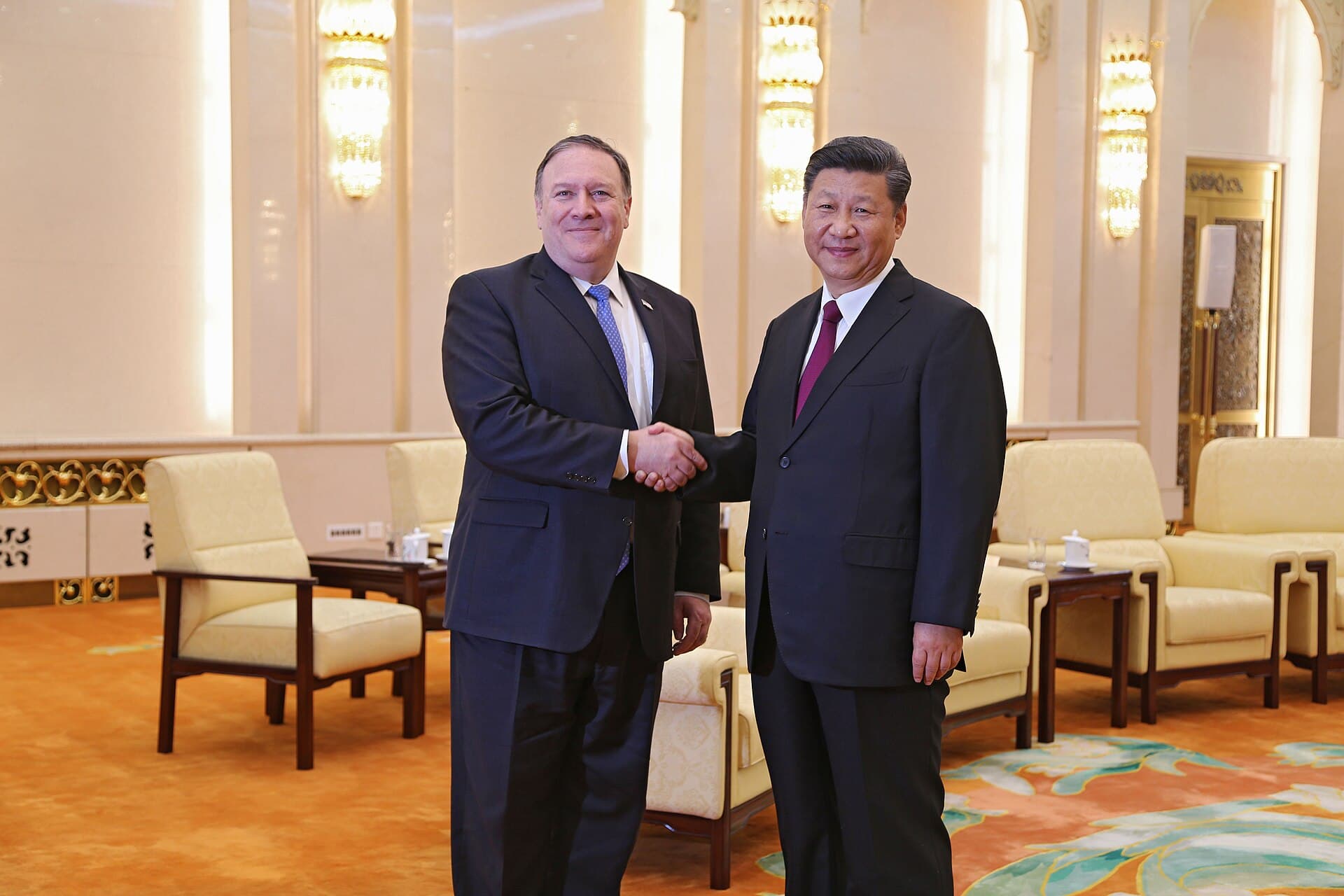
Xi Jinping used his meeting with Shehbaz Sharif at Beijing’s Great Hall of the People to send a blunt message: Pakistan still sits near the center of China’s regional strategy, even as security risks rise around Chinese interests.
The Chinese president called the friendship “unbreakable” and said China would prioritize ties with Pakistan regardless of changes in the international situation. Sharif, in turn, described the two countries as “iron brothers.” The symbolism was familiar, but the interests underneath it were harder edged. For Beijing, Pakistan offers not only a longstanding partner, but also a channel for influence in South Asia, a security partner facing shared threats, and a state that can help preserve the continuity of Chinese-backed infrastructure.
That infrastructure is anchored in the China-Pakistan Economic Corridor, the flagship of a relationship that was elevated to an All-Weather Strategic Cooperative Partnership in an April 20, 2015 joint statement. That statement also described CPEC as the engine of a 1+4 cooperation model, tying the relationship to roads, ports, energy and industrial projects. Xi’s call for deeper cooperation in agriculture, industry, artificial intelligence and talent cultivation suggests Beijing now wants the partnership to produce more than political loyalty. It wants growth, technology transfer and a broader economic return.

The pressure points are clear. Beijing has been angered by militant attacks on Chinese nationals and projects in southwestern Pakistan, especially in Balochistan, where unrest has repeatedly threatened Chinese investments tied to the Belt and Road framework. Chinese concerns have centered on the safety of personnel and the continuity of projects, and Pakistan’s warmer ties with Washington have added another layer of caution in Beijing. In practice, the relationship now carries a security dividend that China wants Pakistan to keep paying.
Pakistan is also becoming more valuable to China as a diplomatic partner on Iran. Xi thanked Islamabad for its constructive role in current peace efforts and said the two sides should strengthen higher-level security cooperation to support regional stability. That comes after Pakistan and China issued a five-point initiative in March 2026 calling for an immediate ceasefire in the Iran war and normal passage through the Strait of Hormuz, a route Chinese official reporting describes as a vital global shipping lane for goods and energy. Asim Munir’s visit to Tehran in May 2026 underlined how far Islamabad has pushed into the middle of the crisis.
For China, Pakistan is not just an ally by habit. It is a route to regional influence, a partner in protecting infrastructure, and a diplomatic bridge at a time when the Middle East, the Indian Ocean and South Asia are increasingly linked by security risk and energy flows.
This article was produced by Prism’s automated news system from verified source data, official records, and press releases, then run through automated quality and moderation checks before publishing. The system is built and supervised by the people who set the standards it runs under. Read our full AI policy.
Did this article answer your question?


