Xi visits Pyongyang as North Korea touts irreversible nuclear status
Xi’s rare Pyongyang visit brought silence on North Korea’s nukes even as Kim Jong Un called their status “irreversible” and vowed an “exponential” buildup.
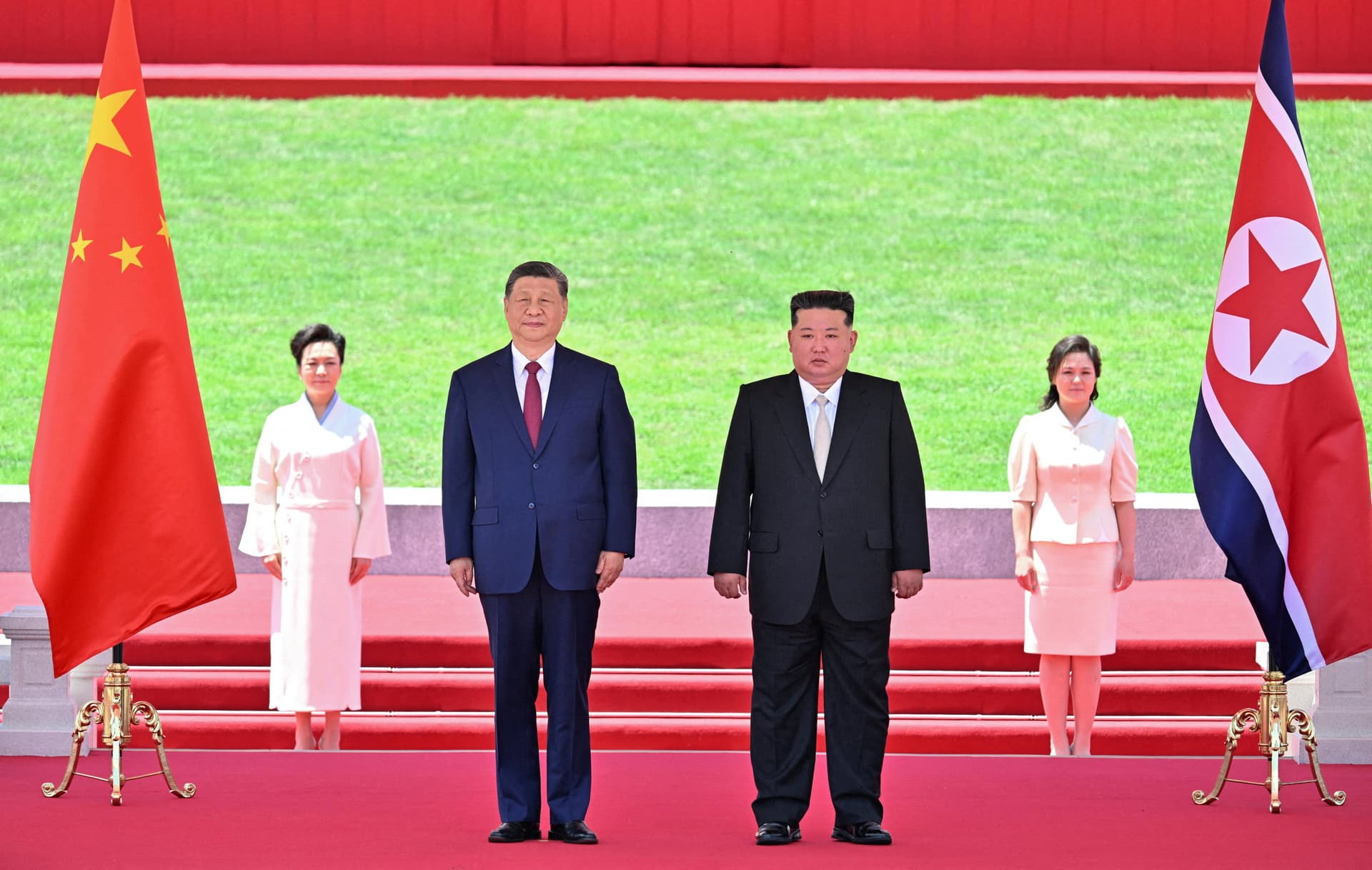
Xi Jinping’s rare visit to Pyongyang carried a message in what China did not say. Beijing publicly embraced closer ties with North Korea while avoiding any direct pressure on Kim Jong Un’s nuclear program, even as Kim insisted his country’s nuclear status was now fixed and beyond reversal.
The two-day state visit, Xi’s first to North Korea since 2019 and his first international trip of 2026, ended with both governments presenting the meeting as a push to deepen cooperation and rebuild their traditional alliance. That carefully managed silence came after North Korea unveiled a new facility on June 3 to produce fuel for nuclear weapons, a move that underlined how openly Pyongyang was betting on its arsenal while it sought stronger backing from China.
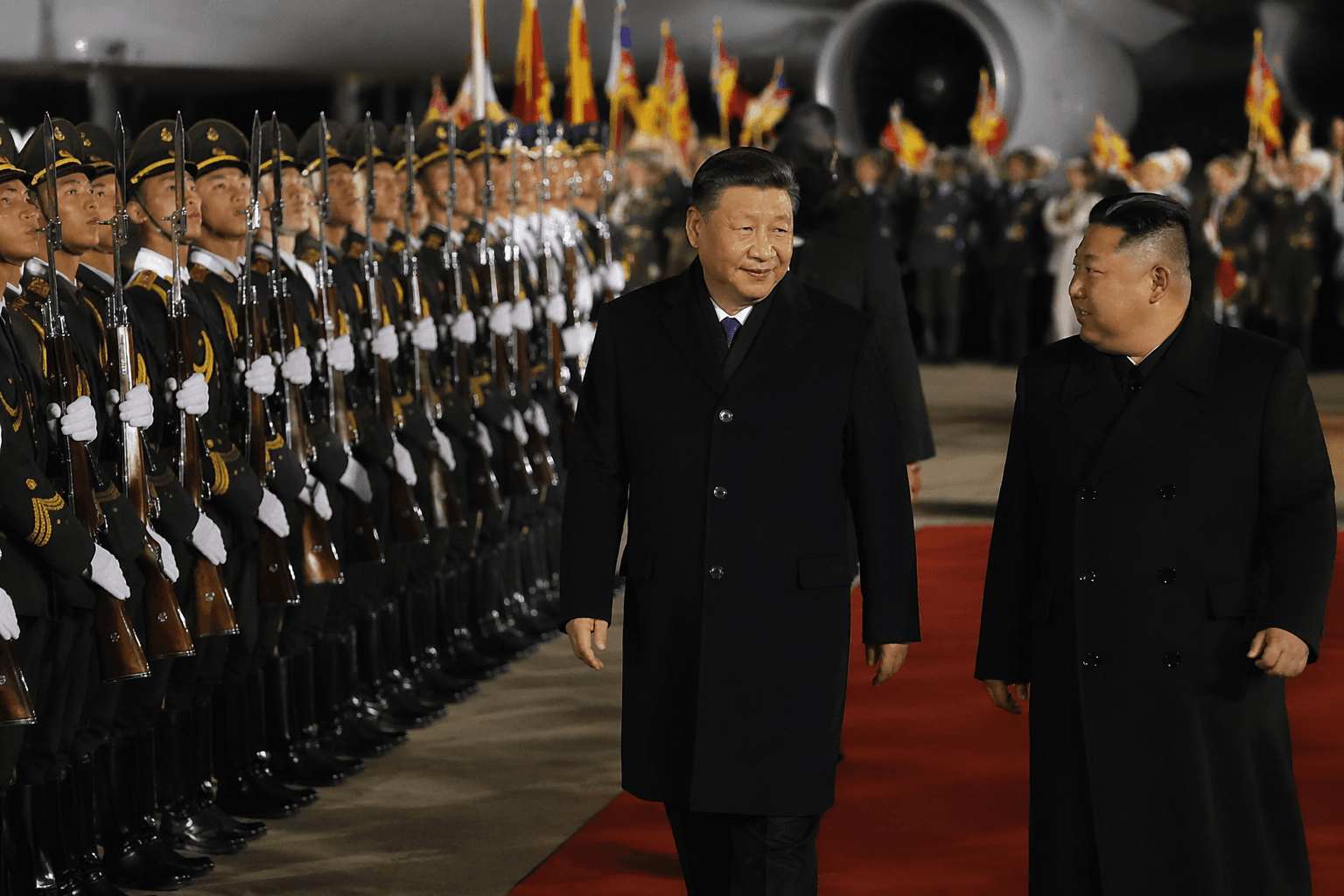
North Korean officials said the country’s nuclear-weapons-state status was “irreversible,” language that echoed Pyongyang’s earlier claims that the status was permanently fixed in law. Kim also called for the country’s nuclear forces to expand at an “exponential” rate, and state media said weapons-grade nuclear material production capacity had more than doubled over the previous five years. The timing suggested confidence, not restraint, from a government that has spent months deepening ties with Russia while trying to pull Beijing back toward the center of its strategic orbit.
China’s posture matters because Beijing has long preferred the broader phrase “denuclearization of the Korean Peninsula” instead of directly demanding that North Korea give up its weapons. Analysts say that wording gives China room to press Washington as well, since it can imply limits on U.S. nuclear commitments to South Korea rather than a unilateral rollback of North Korea’s arsenal. In effect, Beijing’s language can blur the distinction between denuclearizing the North and narrowing the American security umbrella over Seoul.
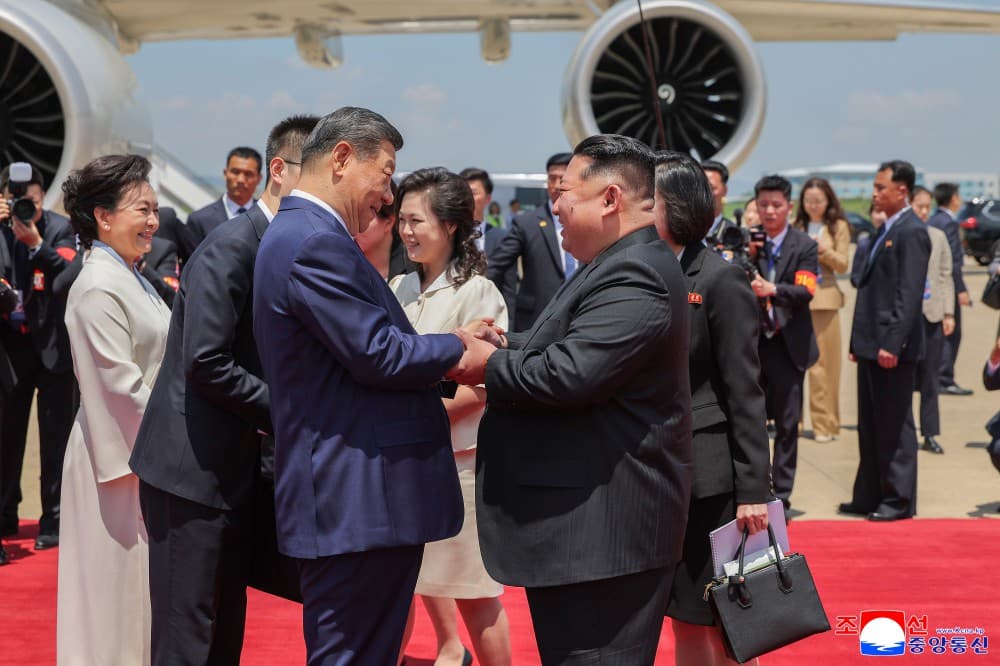
The summit also fell in the 65th anniversary year of the China-North Korea mutual defense treaty, a reminder of how much historical weight still shapes the relationship between Xi and Kim. For Washington, South Korea and Japan, the most consequential signal may be the absence of public Chinese resistance to North Korea’s nuclear claims, which could normalize Pyongyang’s de facto status even if Beijing stops short of saying so outright.
This article was produced by Prism’s automated news system from verified source data, official records, and press releases, then run through automated quality and moderation checks before publishing. The system is built and supervised by the people who set the standards it runs under. Read our full AI policy.
Did this article answer your question?