XPeng Deliveries Surge 80% in March as Updated MONA M03 Launches
XPeng's MONA M03 now packs 750 TOPS of AI compute at a $17,380 starting price, a benchmark no U.S. or European rival has matched at that price point.
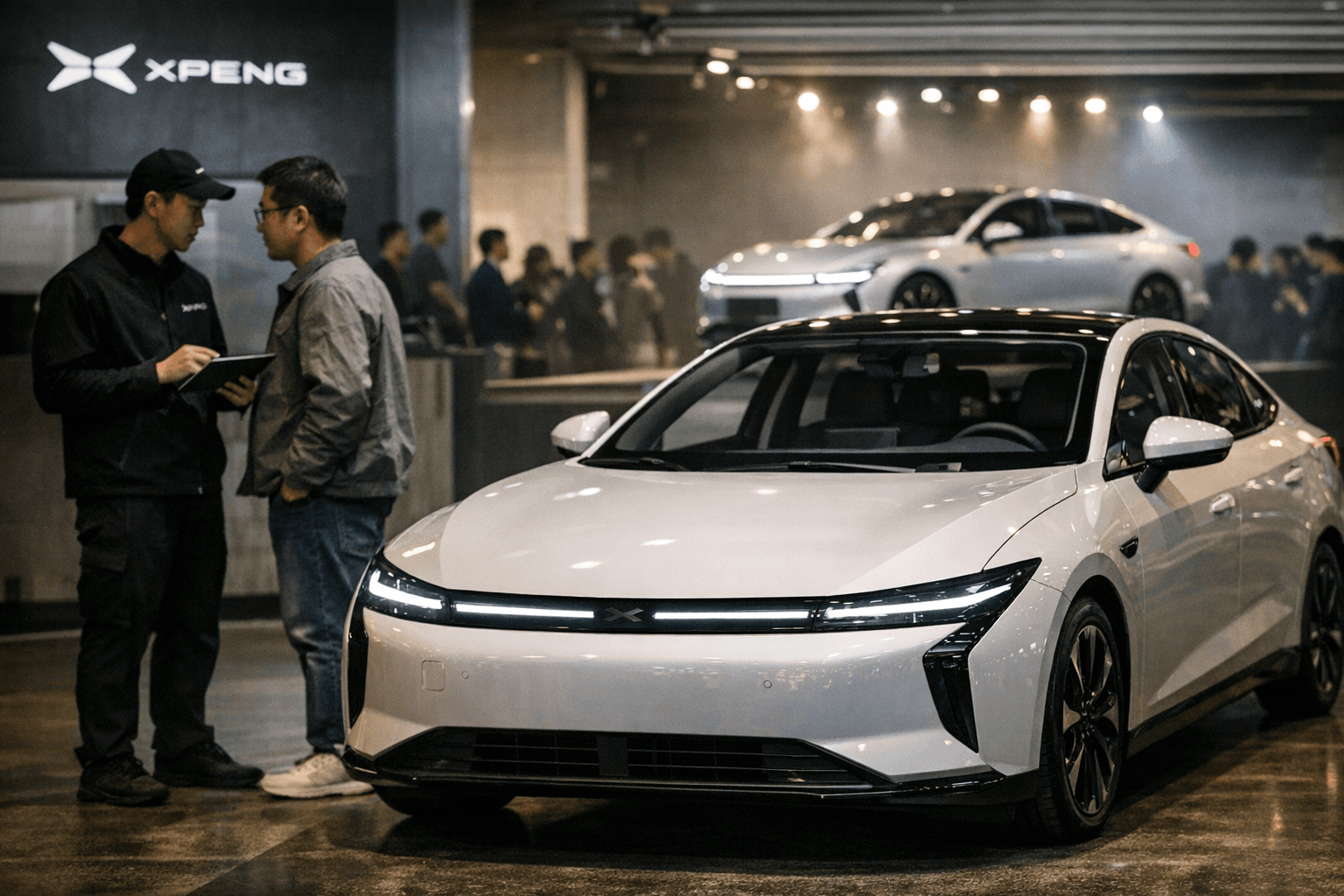
XPeng posted 27,415 vehicle deliveries in March 2026, an 80% jump from February, and on April 2 formally launched the updated 2026 MONA M03 carrying its in-house Turing AI chip. The combination of surging volumes and accelerating silicon tells a story that matters well beyond Guangzhou: China's EV makers are collapsing the timeline between cutting-edge compute and mass-market pricing in ways Western automakers have not yet matched.
The March figure pushed XPeng's first-quarter total to 62,682 vehicles, a strong sequential recovery after a slower start to the year. The MONA M03, XPeng's entry-level sedan, has been the engine of that volume. For the full year 2025, the model delivered 175,689 units, accounting for roughly 41% of XPeng's total deliveries, and it continued to lead the company's sales charts through January and February 2026.
The April 2 update arms that high-volume platform with hardware that would have been considered premium just 18 months ago. XPeng's Turing AI chip delivers 750 TOPS per unit, a figure the company has described as roughly three times the output of a comparable high-performance chip, and it now anchors the driver-assistance stack on a car with a starting price of RMB 119,800, approximately $17,380. The refresh also adds Roland Purple and Avocado Green exterior colors targeting younger buyers, along with interior refinements and an updated release of the company's XNGP all-scenario driver-assistance software.
The compute benchmark is the detail that should concentrate minds in Detroit and Stuttgart. Industry analysis places Level 2 to Level 4 ADAS systems in the 30-to-1,000 TOPS range depending on autonomy level, meaning XPeng is now positioning a single Turing chip near the upper end of that window inside a sub-$20,000 vehicle. No U.S. or European automaker currently offers an equivalent ADAS compute package at that price point. For context, the average new vehicle sold in the United States costs $49,191 according to Kelley Blue Book data, and advanced driver-assistance features at this compute level remain largely confined to premium trims.
Tariff walls keep the MONA M03 out of the American market for now, but the competitive pressure it represents is already reshaping decisions upstream. Honda recently canceled three electric vehicles it had been developing for the U.S. market, citing both Trump administration tariffs and rising competition from Chinese EV companies as factors that put its business in "an extremely challenging earnings situation." The scrapped models included the Honda 0 SUV, 0 Saloon, and electric Acura RSX, all of which had been unveiled at CES 2025.
XPeng is simultaneously pushing its geographic frontier. On March 25, the company entered the Mexican market and unveiled a three-year Latin America strategy, with plans to launch pure electric and range-extended models in 2027 and targeting a leading regional position by 2028. That expansion, paired with the MONA M03's hardware upgrade, reflects a dual ambition: deepen the domestic value segment while establishing a foothold in markets where U.S. tariff barriers do not apply.
The regulatory picture complicates the software side of the equation. Even where the Turing chip ships in MONA M03 units, local rules constrain which XNGP features can be activated, meaning XPeng must manage a fragmented permission map across markets. That gap between hardware capability and software authorization is a recurring friction point for Chinese ADAS developers operating outside the mainland.
What the March delivery surge and April chip launch together suggest is a compression of the innovation cycle that Western incumbents have struggled to replicate at scale. China's EV market is racing toward Level 2 dominance with urban navigation-on-autopilot systems, and XPeng is now doing it at a price that undercuts the entry point for comparable technology anywhere else in the world. The question for U.S. and European automakers is no longer whether Chinese competitors can match their technology; it is whether they can match the speed at which that technology reaches the bottom of the market.
This article was produced by Prism’s automated news system from verified source data, official records, and press releases, then run through automated quality and moderation checks before publishing. The system is built and supervised by the people who set the standards it runs under. Read our full AI policy.
Did this article answer your question?

