Year-Round Guide to Sterling’s Historic Downtown: Woolworth, Murals, Routes, Events
Find practical routes, landmarks, and seasonal tips for enjoying Sterling’s downtown, from the Woolworth building to murals, Main Street shops, and community events.
1. Woolworth building: history and current revitalization status
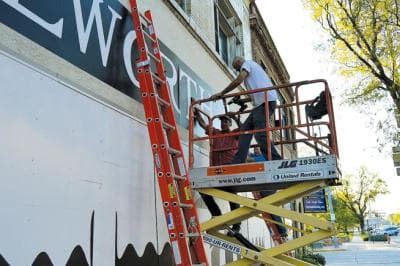
The Woolworth building is the downtown anchor and a visible symbol of Sterling’s commercial past—the five-and-dime model that once served local shoppers. It is currently the subject of ongoing revitalization efforts intended to preserve its historic façade while repurposing interior space for retail, offices, or mixed use; these projects aim to boost foot traffic and private investment on Main Street. For residents, follow progress through city planning updates and look for opportunities to support adaptive reuse that keeps rents viable for small businesses.
2. Downtown murals and public art
Sterling’s collection of murals and public art gives downtown visual identity and draws regional visitors for photo walks and cultural stops. The murals celebrate local stories and Logan County history, and they create social-media-friendly waypoints that benefit cafés and shops nearby by increasing incidental visits. Treat mural corridors as deliberate stops on any walk, and note that public art investments typically raise block-level visitation, supporting surrounding retailers without large public subsidies.
3. Main Street businesses and eateries
Main Street remains the central retail spine—independent stores, restaurants, and service businesses that provide daily needs and unique local products. Supporting these businesses keeps more dollars circulating in Logan County compared with spending at national chains; locally owned eateries and shops tend to recirculate revenue through local payroll and suppliers. Plan visits around lunch and early evening to time both daytime errands and post-work dining, and consider buying gift cards to help cash flow during slower months.
4. Points of interest in Logan County history
Beyond storefronts, downtown contains markers and buildings tied to Logan County’s agricultural and railroad heritage, including legacy commercial blocks and civic structures that explain the county’s development. These sites are helpful for school projects, heritage tourism, and community identity—preservation can also be a tool for economic development by qualifying properties for historic tax credits and attracting niche tourism. When you visit, take time to read plaques and check the local historical society for guided walks or curated pamphlets.
5. Suggested walking routes
Start your downtown loop at the Woolworth building, proceed along Main Street to the mural corridor, then return via side streets to pass civic buildings and small shops—this loop typically fits a 20–45 minute stroll depending on stops. Break the route into three short segments for errand days: a quick retail loop (20 minutes), a lunch-and-window-shop loop (30–45 minutes), and an extended exploration with historical stops (45–90 minutes). These planned loops make downtown trips efficient for residents juggling work, school runs, or evening plans.
6. Public parking and accessibility
Downtown features a mix of on-street parking and municipal lots designed for short visits and longer stays—look for posted signage to avoid tickets and to find timed spaces near key destinations. If you have mobility needs, identify curb cuts and ADA-accessible entrances; many businesses on Main Street maintain step-free access or offer ramps when requested. Park once and walk: clustering errands in one loop reduces congestion and keeps Main Street lively throughout the day.
7. Seasonal tips: best times, farmer’s market, and First Friday events
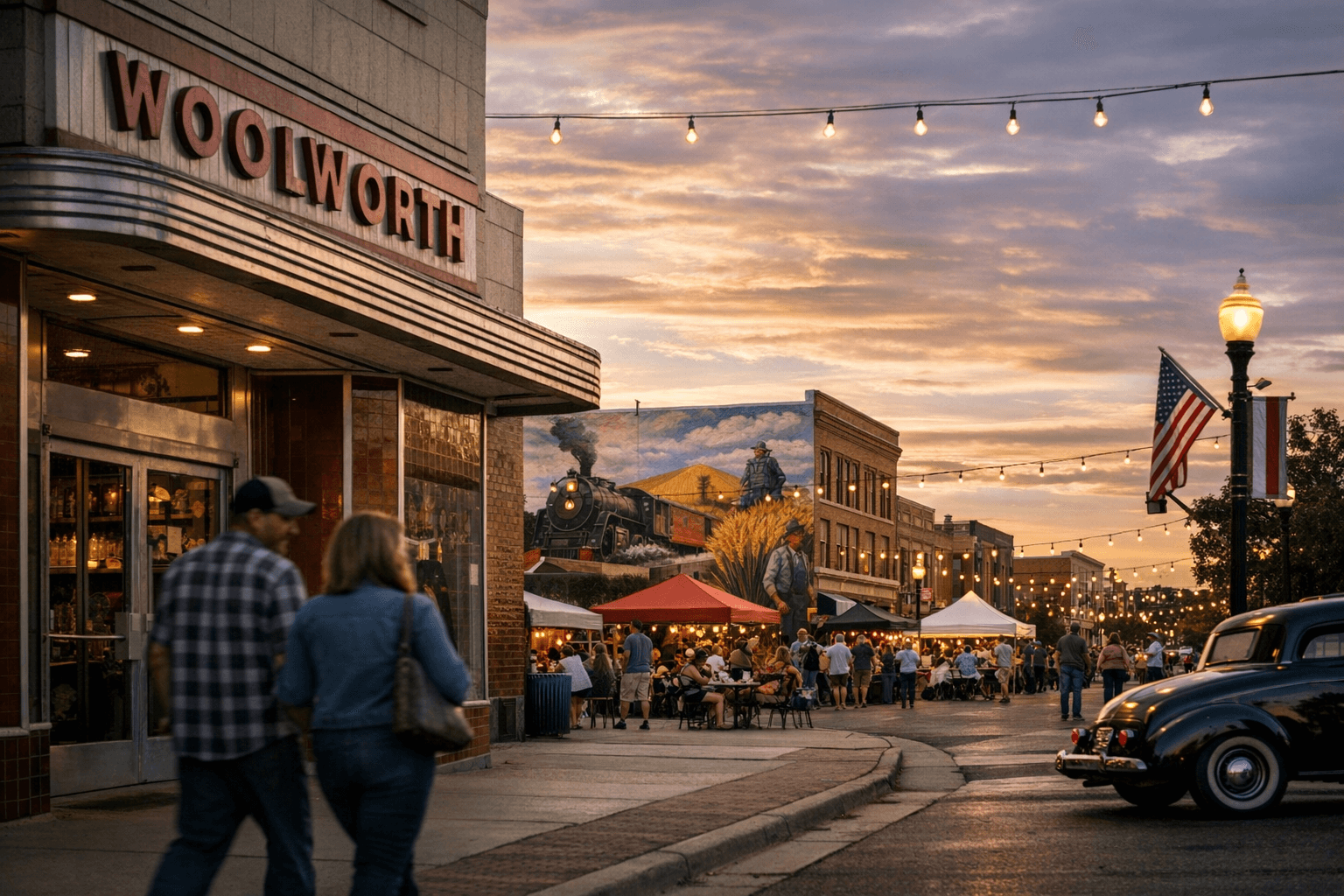
Spring through early fall is prime window-shopping season—warmer evenings and sidewalk displays make browsing pleasant, while First Friday nights and farmers markets boost evening foot traffic. • For produce and local goods, prioritize farmers market days (typically weekly in the warm months) when vendors cluster near downtown and create spillover business for cafés and restaurants. • For community energy, time visits to First Friday events—these bring pop-up vendors, live music, and extended shop hours that can convert casual passersby into repeat customers.
8. Local economic impact and policy context
Investments in downtown revitalization yield local economic returns by increasing sales tax receipts, supporting small-business employment, and enhancing property values—especially when public improvements are paired with incentives that keep spaces affordable to independent operators. City and county policies that matter include façade programs, historic preservation tax credits, and small-business technical assistance; these can determine whether the Woolworth redeployment and mural-driven placemaking translate into sustainable job growth. Residents can advocate for balanced approaches that combine preservation with flexible commercial leases to maintain a diverse Main Street.
9. How to support downtown and make visits count
You can help downtown stay vital by shifting routine purchases to Main Street when feasible, attending First Friday events, and choosing local gift cards for holidays or celebrations. Small actions—post a photo tagging a downtown business, suggest a store to out-of-town guests, or volunteer for mural cleanups—compound into measurable gains for the local economy. Supporting incremental improvements keeps Sterling’s downtown both a nostalgic anchor and an adaptive engine for Logan County’s future.
Practical closing wisdom Treat downtown Sterling as part grocery list, part civic commons: the more you combine errands with intentional stops at landmarks like the Woolworth building and the mural corridor, the more resilient local businesses become. Plan visits around market days and First Fridays, park once and stroll a loop, and consider small, repeat commitments—buy a sandwich downtown every other week or pick up a seasonal item from an independent shop—to translate local pride into steady economic support.
Sources:
Know something we missed? Have a correction or additional information?
Submit a Tip

