Years of dismissed symptoms led to rare heart disease diagnosis
At 18, Megan Kaverman’s weight gain and shortness of breath were brushed off for years before a rare heart disease diagnosis. Her sister then developed the same symptoms.

Megan Kaverman spent years being told her symptoms were ordinary weight gain or stress before doctors finally identified a rare, progressive heart disease. Her case is now a reminder that pulmonary arterial hypertension can hide in plain sight, especially when early signs are vague and family history has not yet been connected.
Kaverman first noticed weight gain and shortness of breath at 18, but her family doctor “never figured out what was going on.” By 25, the problems had intensified into sudden, severe fatigue, and breathing became a struggle. She was eventually diagnosed with pulmonary arterial hypertension, a rare condition that Cleveland Clinic describes as abnormally high blood pressure in the pulmonary arteries. The disease can cause shortness of breath and fatigue, symptoms that often look like far more common problems and are easy to dismiss in young adults.
The delay fits a pattern seen in pulmonary hypertension care. A pulmonary-hypertension resource says many patients go more than two years from the first symptoms to an accurate diagnosis because the signs are nonspecific. That lag can matter as PAH advances, especially when clinicians do not immediately consider a cardiac or pulmonary cause for symptoms that seem routine. In Kaverman’s case, the diagnosis came only after years of escalation, by which point the condition had already shaped everyday activity and breathing.
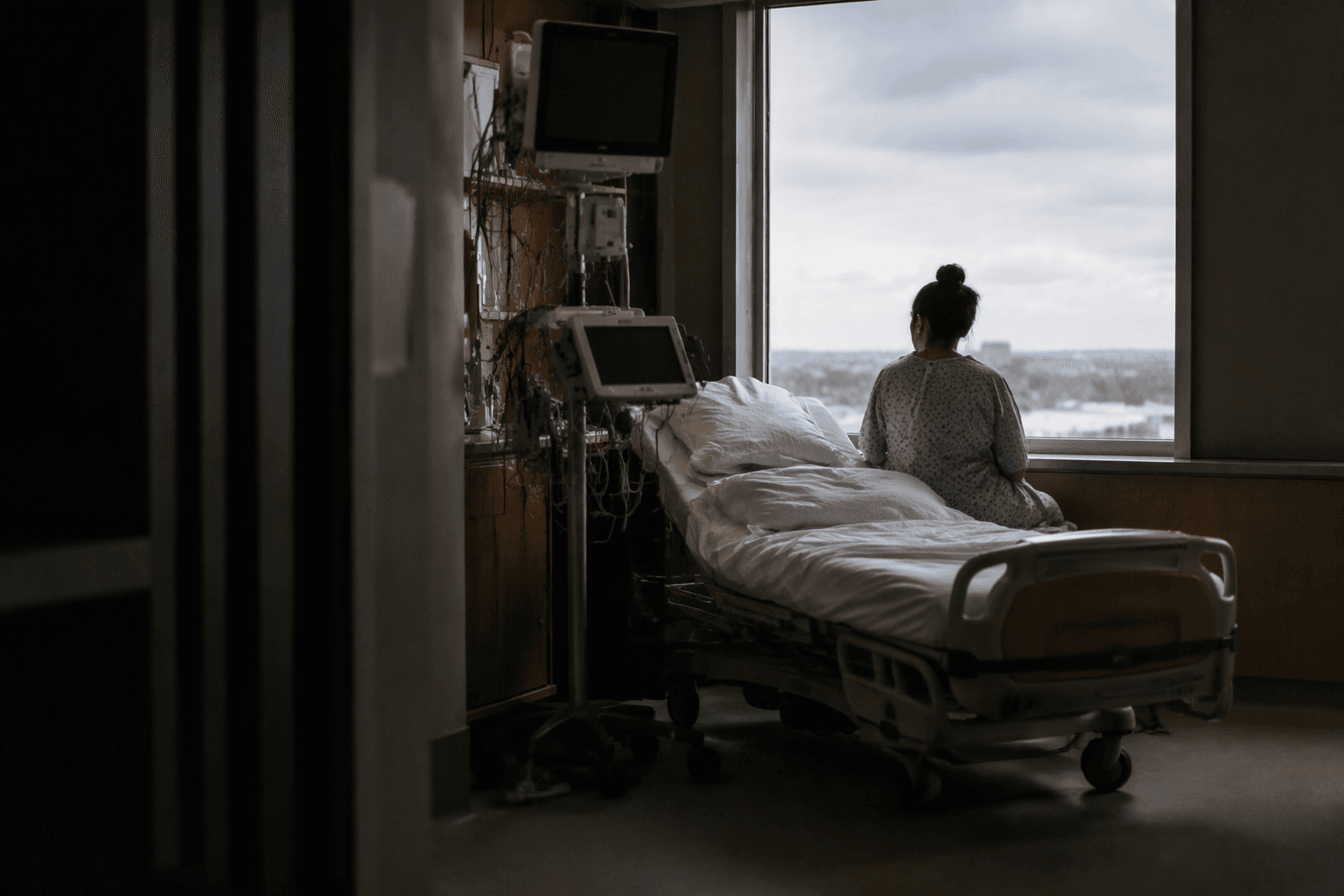
The story took on added urgency when Kaverman’s sister later began showing the same symptoms. That detail points to the hereditary connection seen in some PAH cases and shows why family history can change the diagnostic picture. When one close relative is diagnosed, symptoms in siblings should not be treated as coincidence, especially when weight gain, fatigue and breathlessness arrive together and persist. Public health researchers have long warned that delayed diagnosis in rare disease pushes patients into prolonged uncertainty, repeated appointments and avoidable progression. For clinicians, Kaverman’s experience is a warning to ask earlier about relatives with similar symptoms; for families, it is a reminder that persistent breathlessness is not always benign.
CBS News published the story on August 1, 2026 and updated it at 11:27 AM EDT, after Kaverman’s diagnosis brought a family pattern into focus.
This article was produced by Prism’s automated news system from verified source data, official records, and press releases, then run through automated quality and moderation checks before publishing. The system is built and supervised by the people who set the standards it runs under. Read our full AI policy.
Did this article answer your question?