Yen falls to 160 per dollar, stoking Japan intervention fears
The yen briefly hit 160 per dollar, reviving fears of intervention after Japan’s record 11.7 trillion yen defense of the currency.
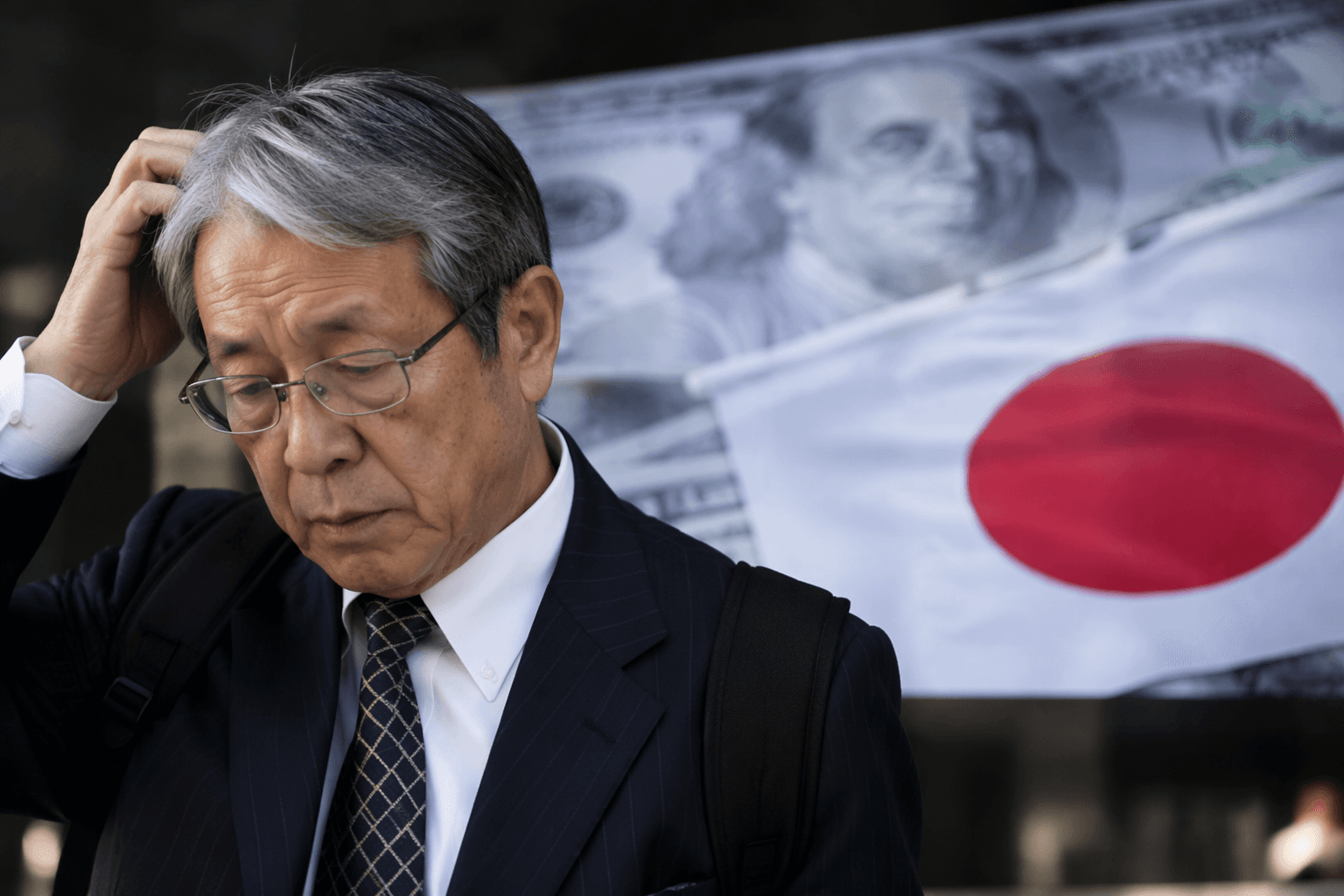
The yen briefly touched 160 per dollar, a level that has become a political red line in Tokyo, after fresh Gulf hostilities lifted the dollar and pushed traders to test Japan’s resolve again. The move was the first time the currency had reached that mark since April 30 and wiped out gains that followed Japan’s late-April intervention.
Prime Minister Sanae Takaichi said authorities stood ready to respond to exchange-rate moves as needed, while Finance Minister Satsuki Katayama said Japan would respond appropriately in the foreign-exchange market. Those warnings mattered because they came as the yen hovered near a threshold that has repeatedly forced Japanese policymakers to balance market stability against the risk of looking heavy-handed.

The pressure is backed by hard numbers. Japan spent 11.7 trillion yen, about $73 billion, on currency intervention since April, the largest monthly intervention round on record. Even that firepower has not been enough to stop the yen from sliding back toward levels that policymakers have treated as dangerous, especially after traders began rebuilding speculative short positions. Net short bets in the yen rose to 114,667 contracts in late May, the highest since July 2024.

The economic stakes are immediate. A weaker yen can help exporters by boosting the value of overseas earnings when they are brought home, but it also raises the cost of imported energy, food and raw materials. That feeds into household budgets through food prices, utility bills and travel costs, especially when wage gains lag inflation. Japan’s heavy dependence on imported energy has made the currency especially vulnerable to disruptions in the Gulf, where higher oil prices have supported the dollar and added another layer of pressure on the yen.
Markets were also watching Kazuo Ueda, who was due to speak later on June 3, for clues about whether a June rate hike was still on the table. Investors have been parsing whether the Bank of Japan and the finance ministry are moving in step, because a narrower gap with U.S. rates would make it easier to stabilize the currency. For now, that gap remains the core problem: intervention can slow the slide, but without a shift in interest-rate differentials, the yen’s weakness can reappear just as quickly as it did at 160.
This article was produced by Prism’s automated news system from verified source data, official records, and press releases, then run through automated quality and moderation checks before publishing. The system is built and supervised by the people who set the standards it runs under. Read our full AI policy.
Did this article answer your question?

