Yoga Add-On Speeds Stabilization During Opioid Withdrawal, Trial Shows
A randomized clinical trial with 59 participants tested a brief, protocolized yoga program added to standard opioid withdrawal care and found faster stabilization, reduced withdrawal severity and anxiety, and improved heart-rate variability markers of autonomic regulation. The findings suggest tailored pranayama and asana modules could serve as a scalable adjunct in withdrawal protocols, though replication and larger trials are needed.
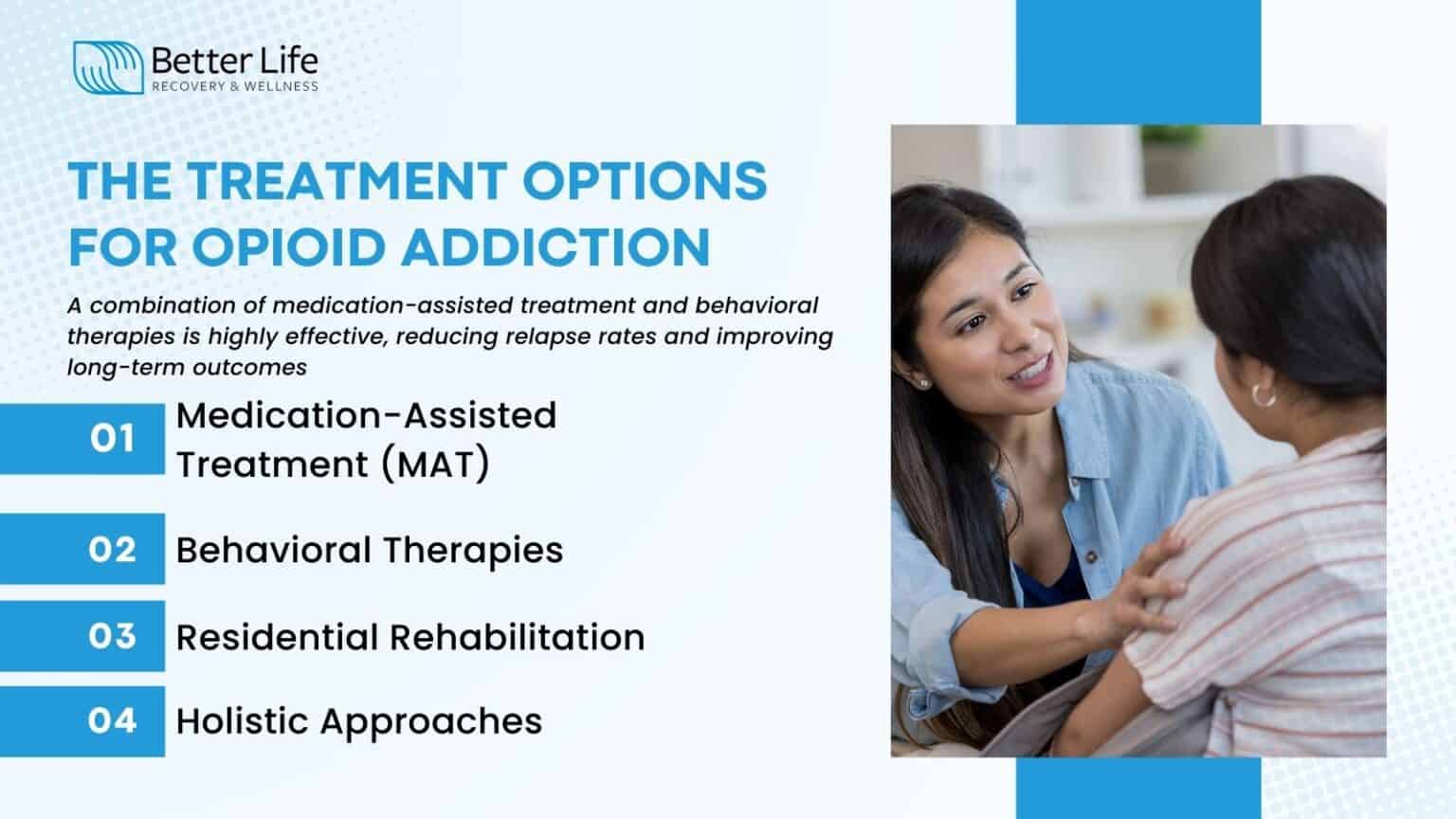
A randomized clinical trial compared treatment-as-usual (TAU) to TAU plus a structured yoga add-on for people undergoing opioid withdrawal and found clinically meaningful benefits for the yoga group. Participants who received the brief, protocolized intervention that combined pranayama and asana tailored to withdrawal reached withdrawal stabilization significantly faster than those receiving TAU alone. The yoga arm also showed improvements in clinical measures of withdrawal severity and anxiety alongside physiological evidence of enhanced autonomic regulation.
The study enrolled 59 participants and tracked per-day outcomes, producing figures and tables that demonstrated faster time-to-stabilization for the yoga group. Heart-rate variability (HRV) analyses revealed favorable group-by-time interaction effects for high-frequency to low-frequency power and the LF/HF ratio, consistent with a shift toward restored parasympathetic function. The researchers provide detailed protocol supplements and HRV preprocessing methods to support replication and clinical adoption.

For yoga teachers, studio organizers, clinicians, and program directors working with people in detox or early withdrawal, the trial offers practical takeaways. The intervention was brief and protocolized, focused on breathing practices and gentle asanas adapted for withdrawal symptoms, which makes it feasible to integrate into existing withdrawal units, outpatient programs, or medically supervised detox. Coordinate with medical providers when introducing yoga into withdrawal care, emphasize that the practice is an adjunct to, not a substitute for, medication-assisted treatment and medical monitoring, and monitor participants closely during early sessions.
The physiological HRV improvements strengthen the case that breath work and specific movement patterns can directly influence autonomic balance during acute stress states. For community programs seeking nonpharmacological supports, a short, standardized yoga module could be trained to staff or peer specialists and offered alongside counseling, medications, and nursing care to potentially accelerate stabilization and reduce anxiety.
Limitations remain: the sample was modest in size and results require replication in larger, diverse populations and in different care settings. The study authors recommend further trials to confirm effects and refine implementation strategies. Still, this trial provides actionable evidence that targeted yoga practices can play a supportive role in opioid withdrawal care and points a clear path for clinicians and yoga professionals to collaborate on safe, evidence-informed adjuncts.
Know something we missed? Have a correction or additional information?
Submit a Tip