Young Māori revive tā moko, reclaiming identity after colonial bans
Young Māori are wearing tā moko as a declaration of ancestry, turning a once-suppressed art form into visible cultural reclamation.
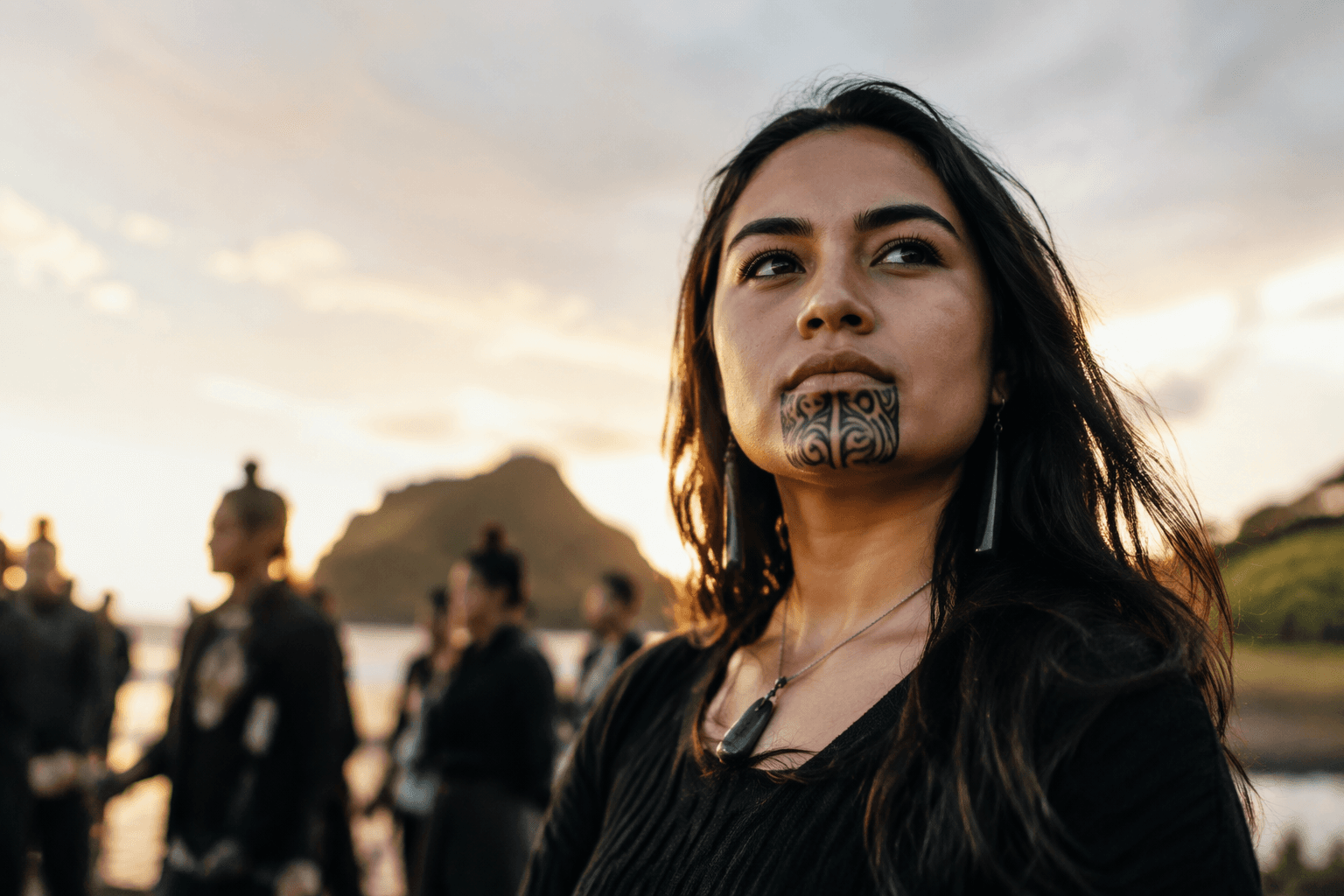
Young Māori are bringing tā moko back into public view, using the markings as a direct expression of identity, ancestry, and resistance. What was once suppressed under British colonial rule is now reappearing on faces and bodies as a statement that Māori culture is being claimed, not hidden.
Tā moko before colonisation
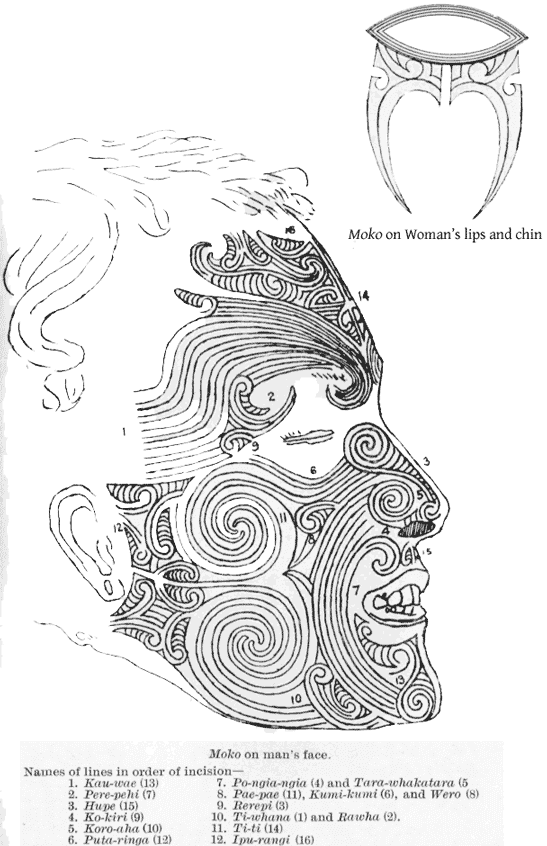
Tā moko is more than decorative tattooing. Te Ara describes it as a traditional Māori practice with deep cultural, spiritual, and genealogical meaning, and traces its early forms to mourning rituals, when women lacerated themselves with obsidian or shells. That origin matters because it shows moko was never just ornament: it was tied to grief, memory, and social obligation long before it became a symbol of modern cultural revival.
The design language also carried status and belonging. In a Māori world shaped by lineage and collective identity, the marks on the skin signaled connection to family, place, and history. That is why the contemporary revival lands as more than aesthetics, it restores a visible form of inheritance that colonisation tried to narrow or erase.
Colonial pressure and the trade in heads
British colonisation and Victorian-era attitudes put the art form under intense pressure through the 19th and early 20th centuries. The suppression was not only cultural but also commercial and violent: Te Ara notes that from about the 1820s European demand for tattooed heads became so strong that Māori were prepared to sell them willingly. That demand turned moko into a colonial commodity, severing it from its living cultural context.
The pressure on tā moko helps explain why its modern return carries political weight. When an Indigenous practice is pushed out of sight for generations, bringing it back is not a nostalgic gesture. It is a reversal of a historical imbalance, one that reconnects appearance, identity, and authority on Māori terms.
Moko as political speech
Tā moko also appeared in moments of explicit political significance. Te Rere-tā-whangawhanga, from the Manukorihi hapū of Te Āti Awa in Taranaki, signed the Cook Strait sheet of the Treaty of Waitangi at Waikanae on 16 May 1840 by drawing part of his moko. Wiremu Te Rangitake did the same on a copy of the Treaty in 1840, marking a document that would become central to New Zealand’s constitutional and political life.
Those signatures show moko functioning as more than personal expression. They placed Māori identity in the middle of a foundational political encounter, using the body itself as a form of recognition and authority. That history matters now because the revival of tā moko is not happening outside politics, it is happening in the same space where Māori rights, representation, and sovereignty are still being negotiated.
The revival gains momentum
From the 1970s, the general public gradually came to know more about the Treaty of Waitangi, while Māori protest movements were growing and a wider cultural renaissance was underway. Tā moko moved with that revival. In 2020, Al Jazeera described the practice as making a comeback after colonial suppression, and by 2022 France 24 was calling it an unprecedented renaissance after it had been at risk of extinction.
The revival is especially visible among younger Māori. A 2021 i-D video followed two distant cousins in New Zealand as they began the journey to claim their tā moko, a reminder that for a new generation the markings are not a costume or trend but a chosen link to heritage. That same return to visibility has also carried into education and public life: Rangi McLean is thought to have been the first person with a full facial moko to graduate from a New Zealand university, in 1997.
Tools, technique, and decolonisation
The revival is not only about who wears tā moko, but how it is made. In October 2022, France 24 highlighted artists working with uhi, the traditional hand tools used for tā moko, as part of efforts to revive nearly extinct techniques. Returning to uhi restores the physical craft alongside the cultural meaning, linking contemporary practice to older methods rather than replacing them with a modern imitation.
France 24 also quoted artist Mokonui-a-rangi Smith describing the revival as a way to decolonise and restore Māori culture. That framing captures why renewed visibility matters in Aotearoa New Zealand today. Tā moko now stands at the intersection of art, identity, and political memory, and its resurgence shows that a practice once pushed toward disappearance has become a living assertion of Māori presence.
This article was produced by Prism’s automated news system from verified source data, official records, and press releases, then run through automated quality and moderation checks before publishing. The system is built and supervised by the people who set the standards it runs under. Read our full AI policy.
Did this article answer your question?