Young workers boo AI boom as job fears deepen
A commencement warning from Eric Schmidt drew boos in Tucson, underscoring how Gen Z’s faith in AI is curdling as layoffs and classroom anxiety spread.

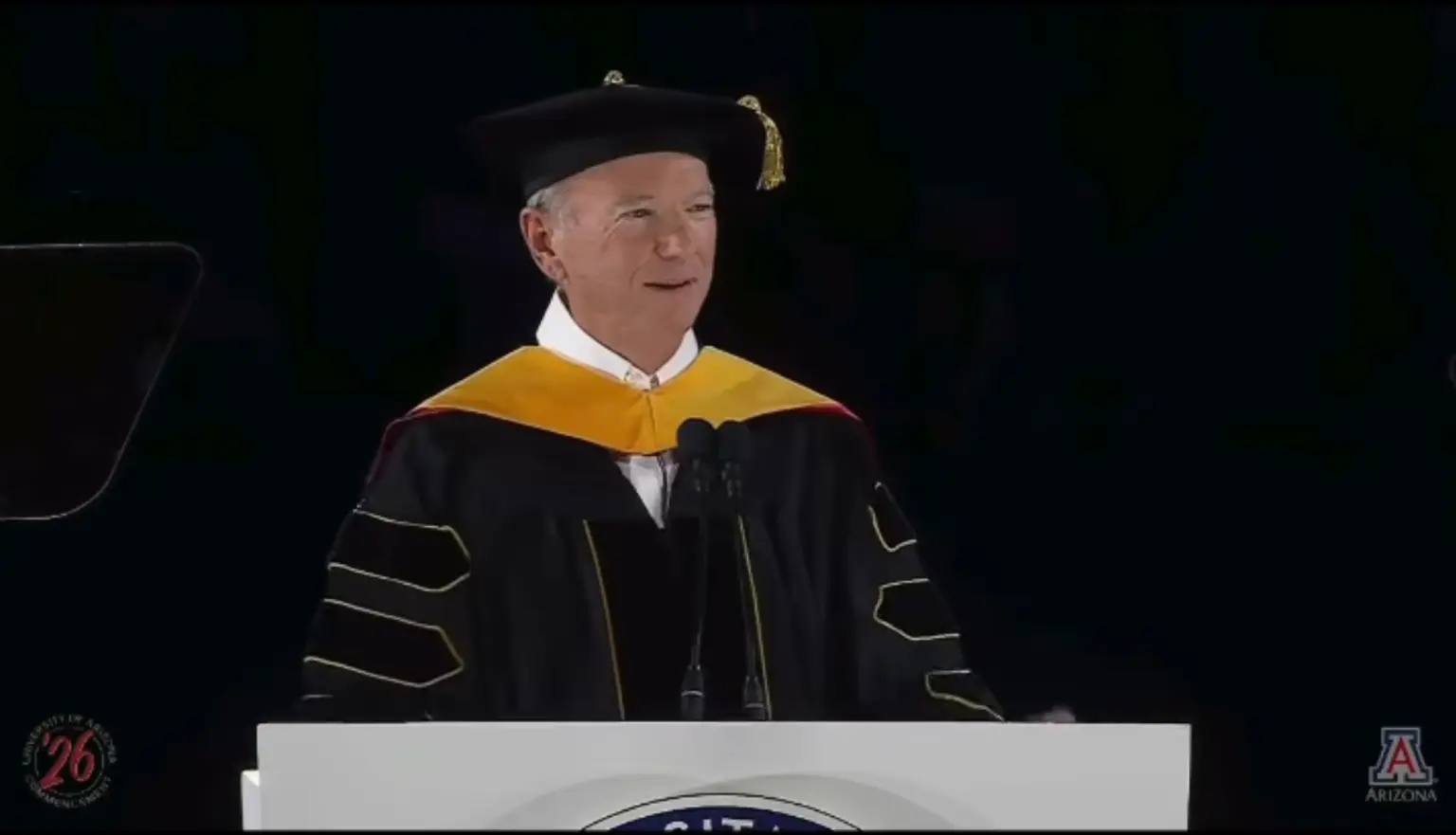
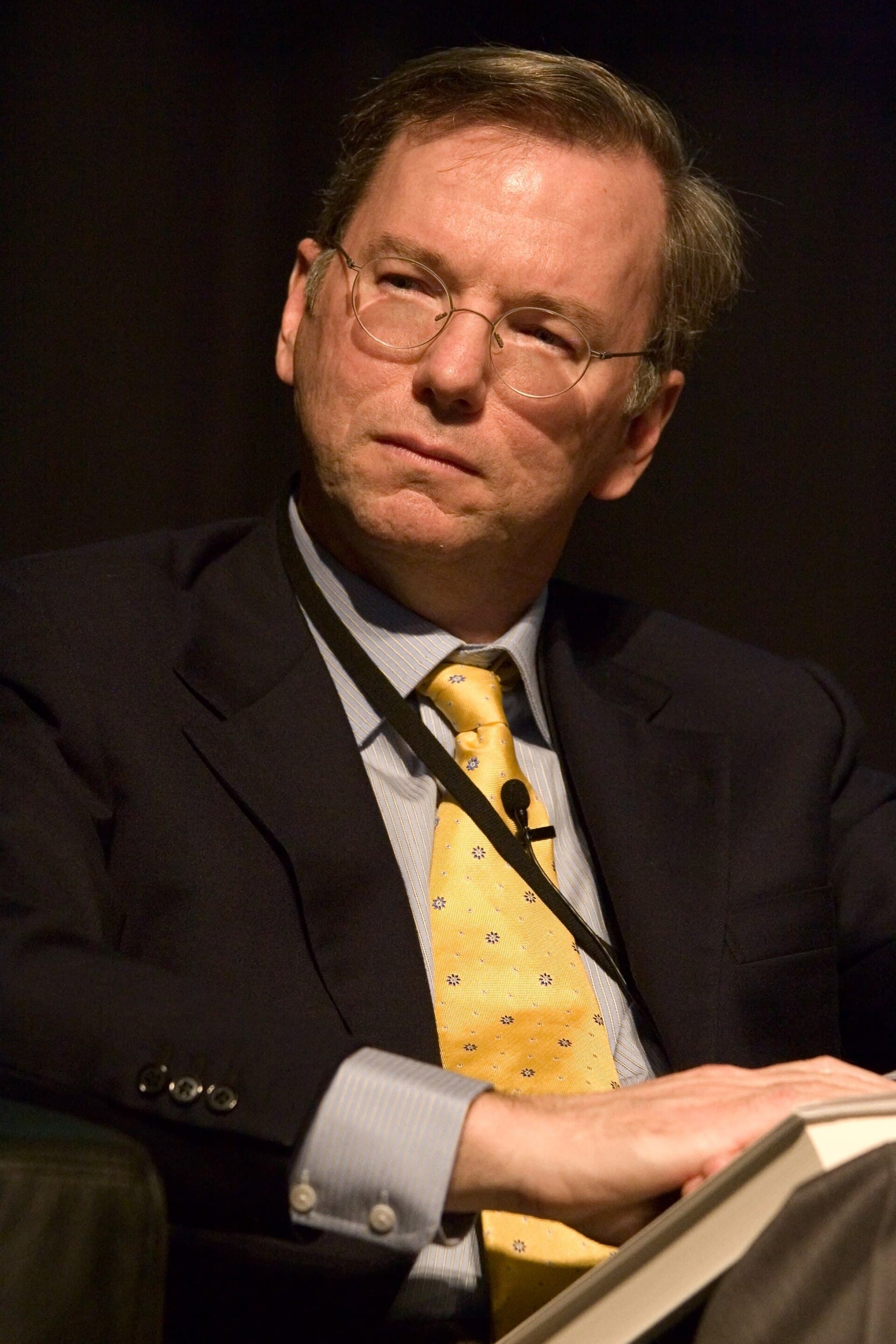
Boos greeted Eric Schmidt when the former Google chief executive told University of Arizona graduates in Tucson that artificial intelligence would be “larger, faster, and more consequential” than anything before. His warning that AI would reach every profession, classroom, hospital, laboratory, relationship and person landed badly with an audience of young people already wondering whether the technology will close doors before they can walk through them.
That reaction reflects a widening gap between the executives selling AI as inevitable and the students and early-career workers trying to build lives around it. For younger Americans, the fear is not abstract. It is showing up in internship searches, first-job hiring, coursework and creative work, where AI is increasingly framed as a tool for efficiency rather than a ladder into opportunity. The result is a generational trust problem: many digital natives are not rejecting technology, but they are questioning who it is for.

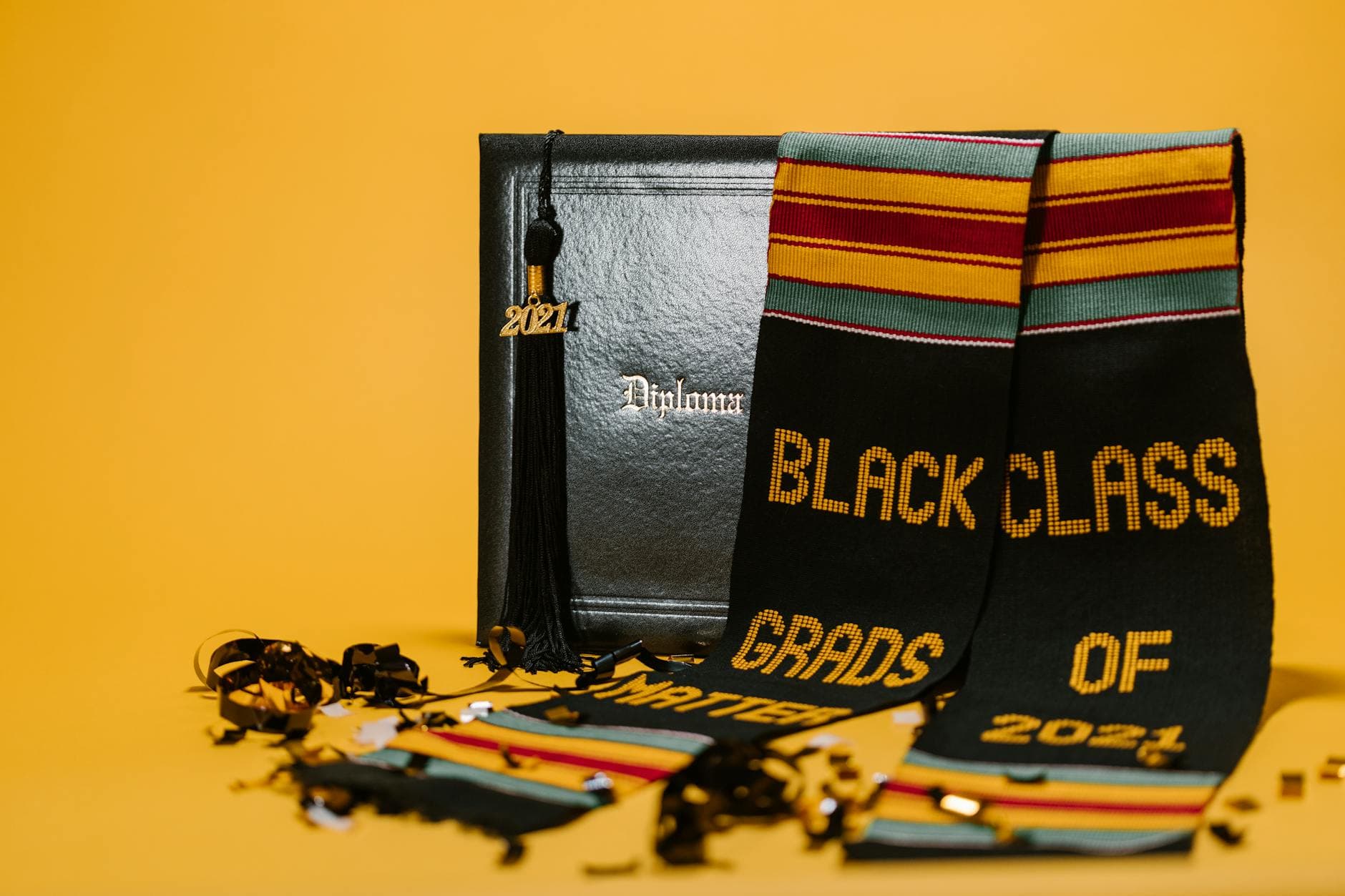
Corporate announcements are feeding that anxiety. Standard Chartered said it would eliminate more than 7,000 jobs over four years as it increased AI use and moved to replace what it called “lower-value human capital” with technology. Meta is also planning layoffs, and companies across sectors keep pointing to AI when explaining leaner head counts. For young workers entering the labor market, those messages land as proof that the first rung on the career ladder is getting thinner, not sturdier.
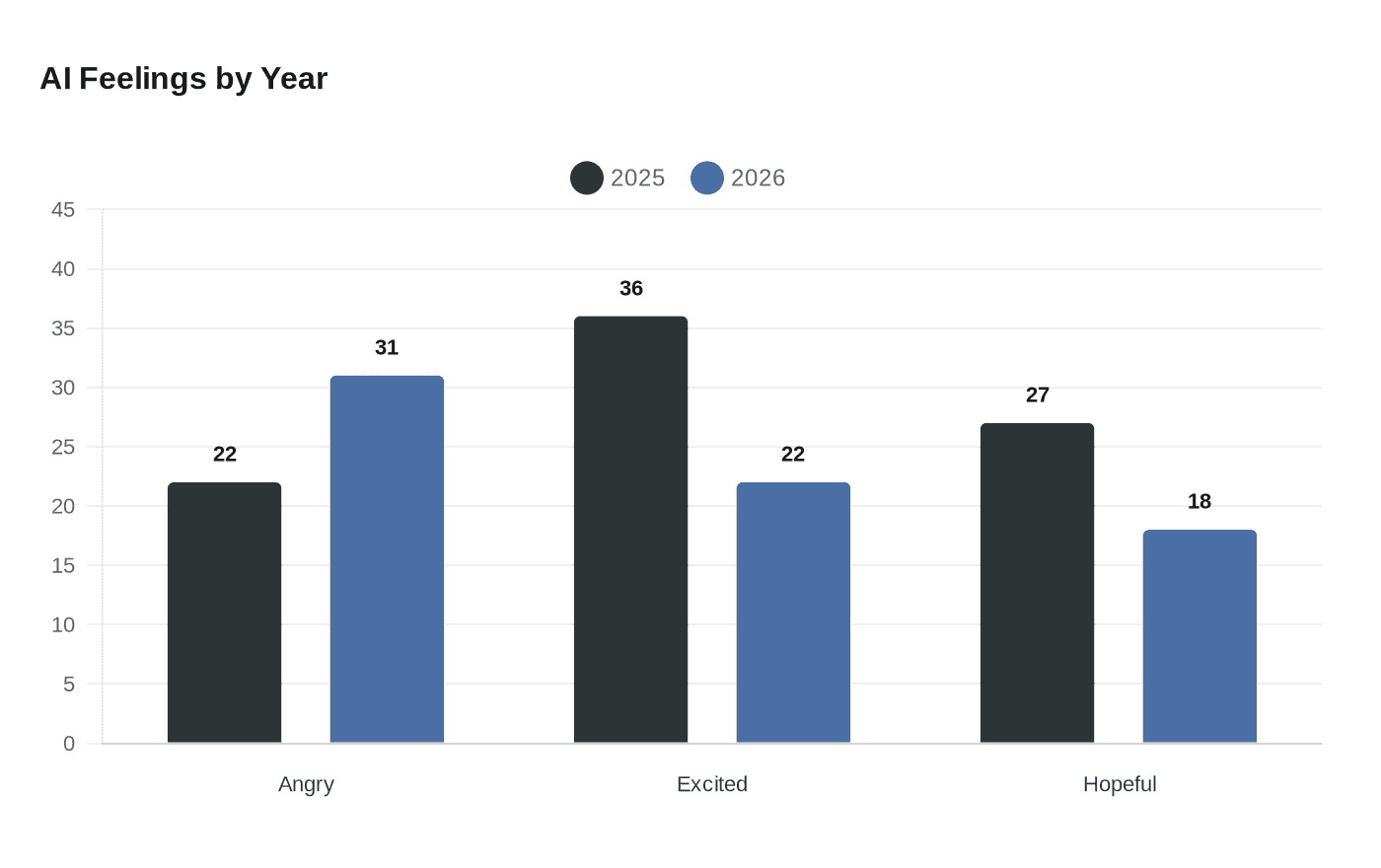
The concern is not just anecdotal. A Gallup survey released April 9, 2026, of 1,572 Americans ages 14 to 29 found that 51% of Gen Z used generative AI weekly, a share that was essentially unchanged from the prior year. But enthusiasm has weakened sharply. The share saying they felt angry about AI rose to 31% from 22% in 2025, while those saying they were excited fell to 22% from 36% and those saying they were hopeful dropped to 18% from 27%.
Gallup and the Walton Family Foundation also found that more than four in 10 bachelor’s degree students said AI influenced their choice of major, a sign that the technology is already shaping educational decisions before graduation. Nearly half of Gen Z respondents said the risks of AI outweigh the benefits in the workplace. That helps explain why the loudest response to the AI boom may no longer be applause. For many young people, it is sounding more like a warning that the future was sold as expansion, but is arriving as scarcity.
Know something we missed? Have a correction or additional information?
Submit a Tip