YouTube adds zero-minute Shorts limit, letting users block the feed
YouTube now lets users set Shorts time to zero, turning the feed off entirely on Android and iOS. The move intensifies scrutiny of addictive design while putting the control in users’ hands.
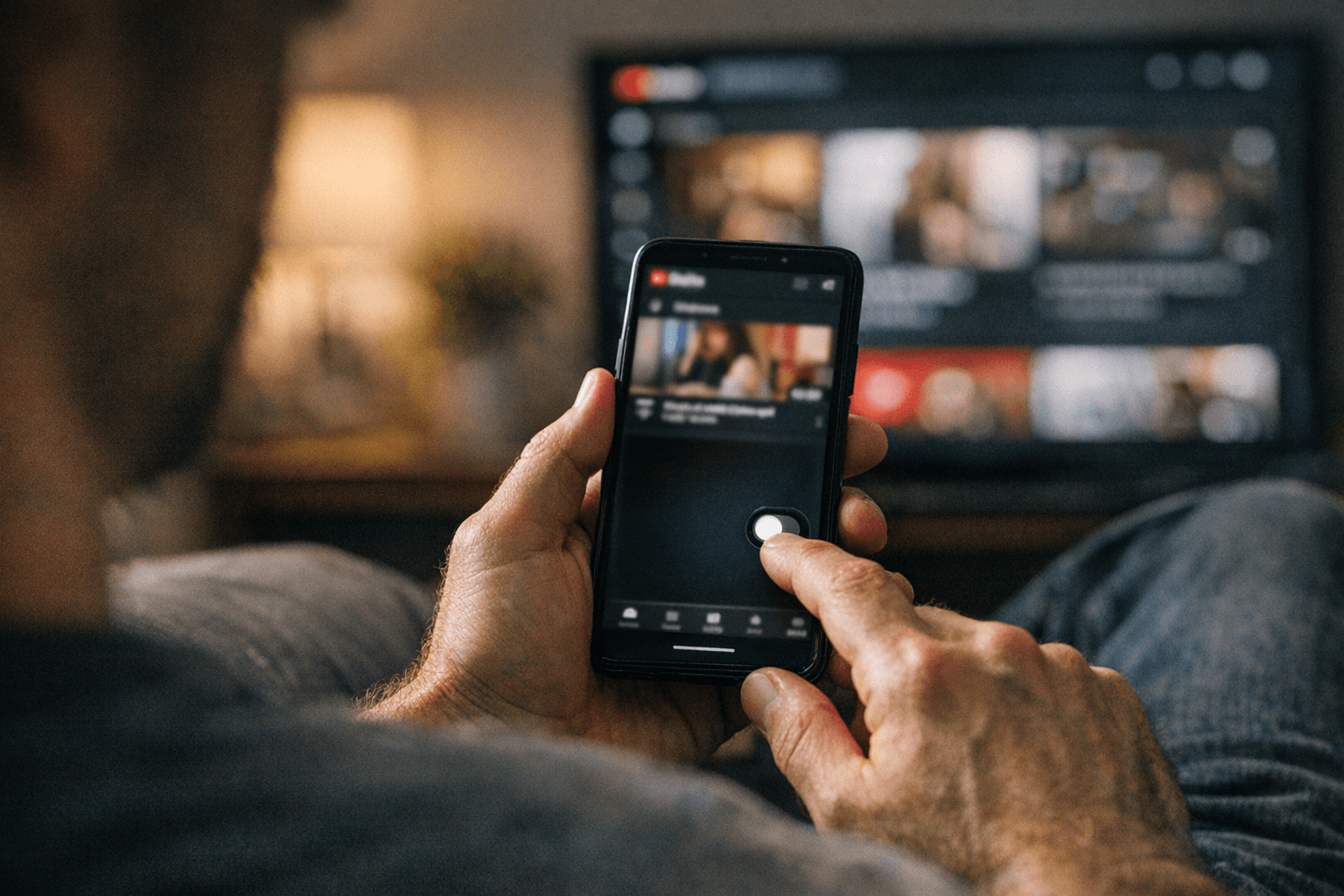
YouTube users can now set the Shorts feed limit to zero minutes, a control buried in Time management settings that effectively removes the short-form feed from Android and iOS. The option lowers the timer floor from 15 minutes and turns a feature first announced in October into a full off switch for one of the platform’s most compulsive surfaces.
The control arrives as YouTube faces mounting pressure over how endless scrolling shapes attention, sleep and family screen time. When the set limit is reached, users get a reminder that can be dismissed or ignored, which makes the feature feel less like a hard block than a negotiated boundary. YouTube is still leaving the final act of self-control to the user, even as it acknowledges that the feed itself can be difficult to put down.
For parents, the company said the change will soon extend to supervised teen accounts, where they will be able to set the Shorts timer to zero. YouTube called that an “industry-first” feature, and said its teen-safety tools already include “Take a Break” and “Bedtime” reminders that are enabled by default for users under 18. The company is also steering families toward YouTube Kids and supervised teen accounts when they want more control over what children and teens see.
The policy shift lands in a broader product strategy that has continued to expand Shorts rather than retreat from it. Since October 15, 2024, standard channels have been able to upload vertical or square Shorts up to three minutes long. For Official Artist Channels and channels linked to a music Content Owner, the three-minute cutoff begins December 8, 2025. That means YouTube has been widening the format even as it adds a tool to shut the feed down.
The result is a familiar platform compromise: offer an escape hatch, but keep the engine running. For families trying to manage screen time, especially on phones and tablets where Shorts is easy to open and hard to leave, the zero-minute setting may help. It also shifts part of the burden for reducing overuse onto users themselves, at a moment when public debate about persuasive design is increasingly focused on whether personal controls can meaningfully counter systems built to hold attention.
This article was produced by Prism’s automated news system from verified source data, official records, and press releases, then run through automated quality and moderation checks before publishing. The system is built and supervised by the people who set the standards it runs under. Read our full AI policy.
Did this article answer your question?