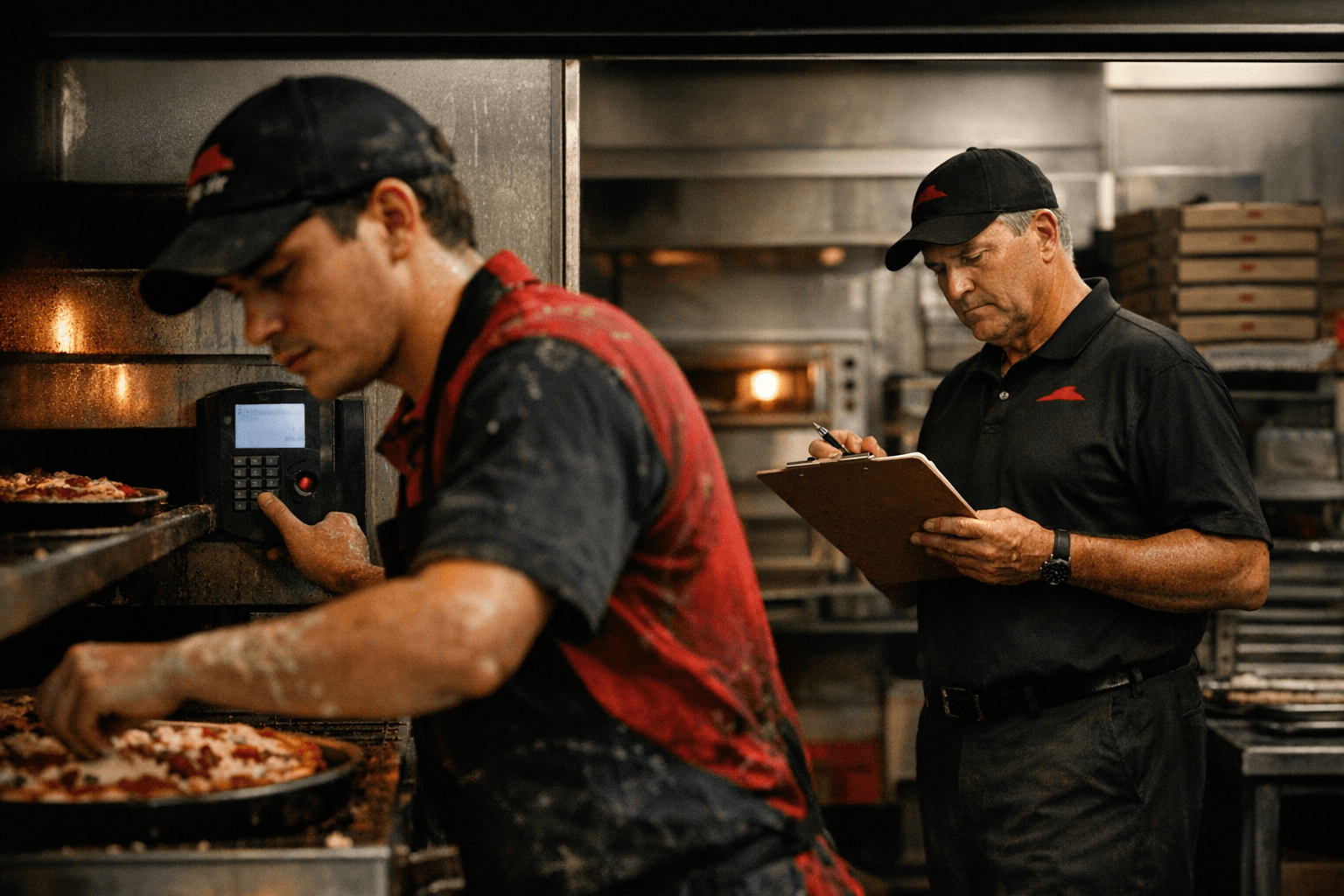
Yum! Filings Clarify Pizza Hut Franchise Responsibility and Potential Corporate Job Impacts
Yum! filings clarify Pizza Hut is largely franchise-operated and disclose strategic reviews that could affect corporate support jobs.

Yum! Brands’ public filings on Form 10-K and 10-Q lay out a clear picture of Pizza Hut’s structure and the potential implications for employees. The filings emphasize that a very high share of Pizza Hut units are franchise-operated, describe the division’s unit counts, and disclose ongoing strategic reviews and programs that investors note could change corporate support roles and costs.
The filings are detailed on several fronts. They specify unit counts and reiterate franchise ownership as the predominant operating model, note franchisee and regulatory matters in particular jurisdictions, and list items such as severance and asset-optimization charges tied to centralized programs. Yum! also discloses that strategic reviews are underway or may be pursued, and the filings frame a range of potential outcomes that could include shifts in centralized services, portfolio optimization, or other actions that affect corporate staffing and investment.
For workers, the filings clarify a key legal and operational point: responsibility for day-to-day employment practices largely rests with franchise owners for the majority of Pizza Hut restaurants. That distinction matters for wages, scheduling, benefits, and labor disputes, since corporate-level policies and support programs do not automatically change the employer-employee relationship at a franchised location. At the same time, the disclosures show that corporate support functions - including HR, field operations, supply chain, and other centralized teams - could face restructuring or cost actions tied to the strategic reviews and listed severance or asset-optimization charges.
The immediate impact is uneven. Restaurant employees employed by franchisees should expect operational decisions, employment terms, and local regulatory responses to continue to flow from their franchise owner. Employees who work for Yum! Brands or in Pizza Hut’s corporate support network should watch for announcements about centralized program changes, cost-saving measures, or staffing reductions, all of which the filings signal as possible. Human resources teams and managers at both franchise and corporate levels will need to translate abstract investor language into practical guidance for affected employees.
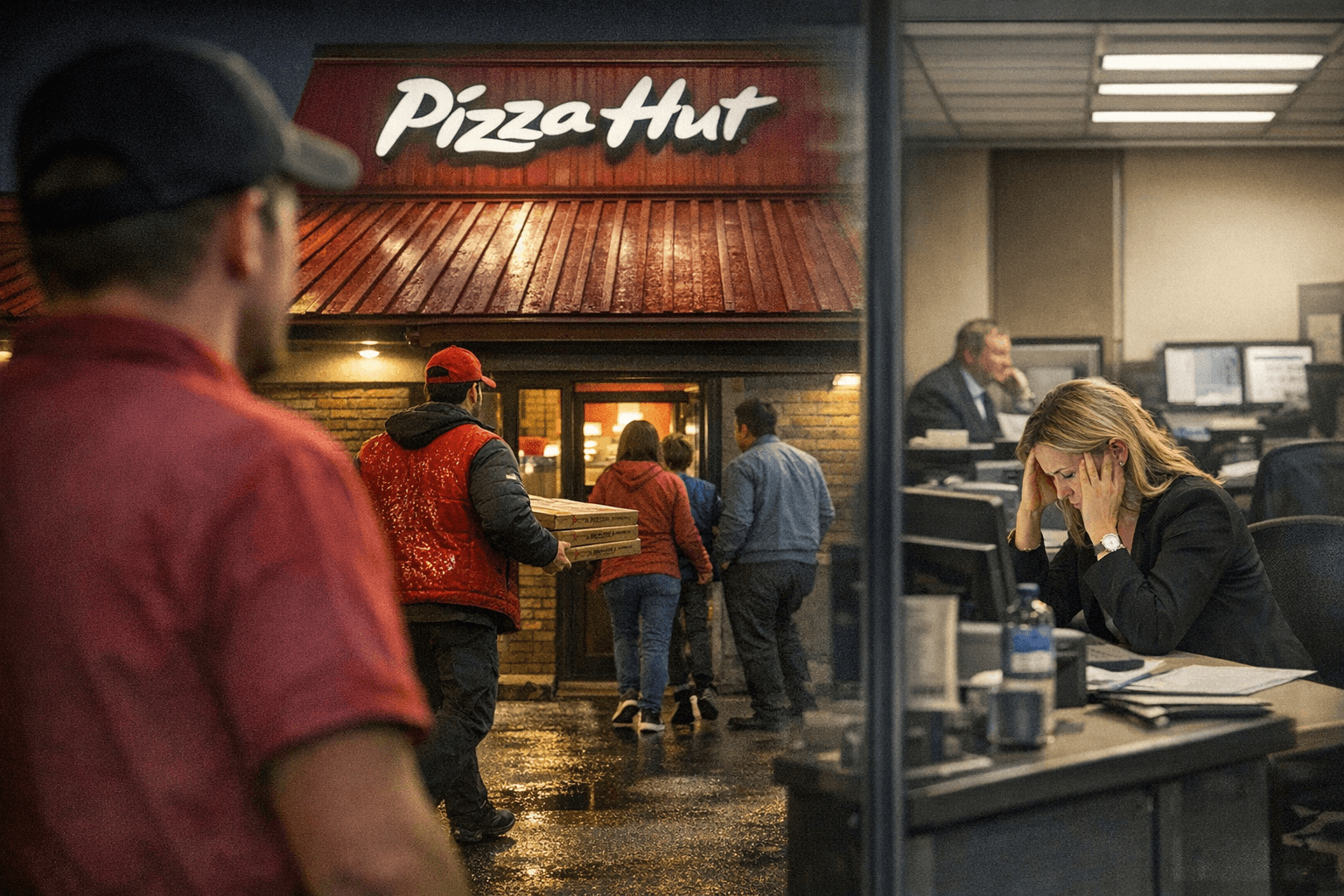
For workplace planners and labor advocates, the filings serve as an authoritative reference. They provide the data needed to trace who is responsible for employment practice compliance and to anticipate where severance or asset-optimization charges may surface in company accounting. They also highlight that regulatory or franchisee-specific matters in certain jurisdictions could create localized labor effects.
What comes next is practical: employees should confirm whether their paycheck comes from a franchise owner or from Yum! Brands, monitor official corporate disclosures for follow-up on any strategic-review outcomes, and seek clarification from their employer or HR representative about how any announced centralized program changes will affect jobs and benefits. The filings make clear that the ovens may be run by franchisees, but corporate decisions can still reshape the kitchen staff that supports them.
Sources:
Know something we missed? Have a correction or additional information?
Submit a Tip