Zelenskyy confirms he said, I need ammunition, not a ride
Zelenskyy settled a disputed wartime line that became a defiant symbol, after four years of argument over whether he really said it.

Volodymyr Zelenskyy has confirmed one of the war’s most famous lines, saying he told U.S. officials, “I need ammunition, not a ride,” when Russian forces were closing in on Kyiv. Four years after Russia’s full-scale invasion began on Feb. 24, 2022, the Ukrainian president said the United States had offered to evacuate him, and that was his response.
The remark had already taken on the force of legend. It spread in late February 2022, appeared on T-shirts, posters and social media posts, and became shorthand for Zelenskyy’s decision to remain in the capital while Russian troops pressed toward the city. For many Ukrainians and their allies, the line captured the image of a wartime leader who chose to stay in Kyiv rather than flee.

Its power also came from what it stood against. After the Biden administration firmly denied that Zelenskyy had made the comment, the quote continued to circulate anyway. Jake Sullivan, the national security adviser, called to push back on the reporting that had spread the line. That resistance mattered because the phrase had already started to harden into accepted history before officials were willing to acknowledge it.
Zelenskyy’s confirmation now places the episode more firmly in the historical record, but it also shows how quickly wartime narratives can outrun verification. In the early chaos of Russia’s assault, a line that summed up defiance could travel faster than official confirmation, and faster than the institutions trying to control the story. The quote’s meaning was amplified by the examples surrounding Ukraine: Afghanistan President Ashraf Ghani fled in August 2021, and Ukraine’s former president, Viktor Yanukovych, fled in 2014 amid mass protests and later went to Russia.
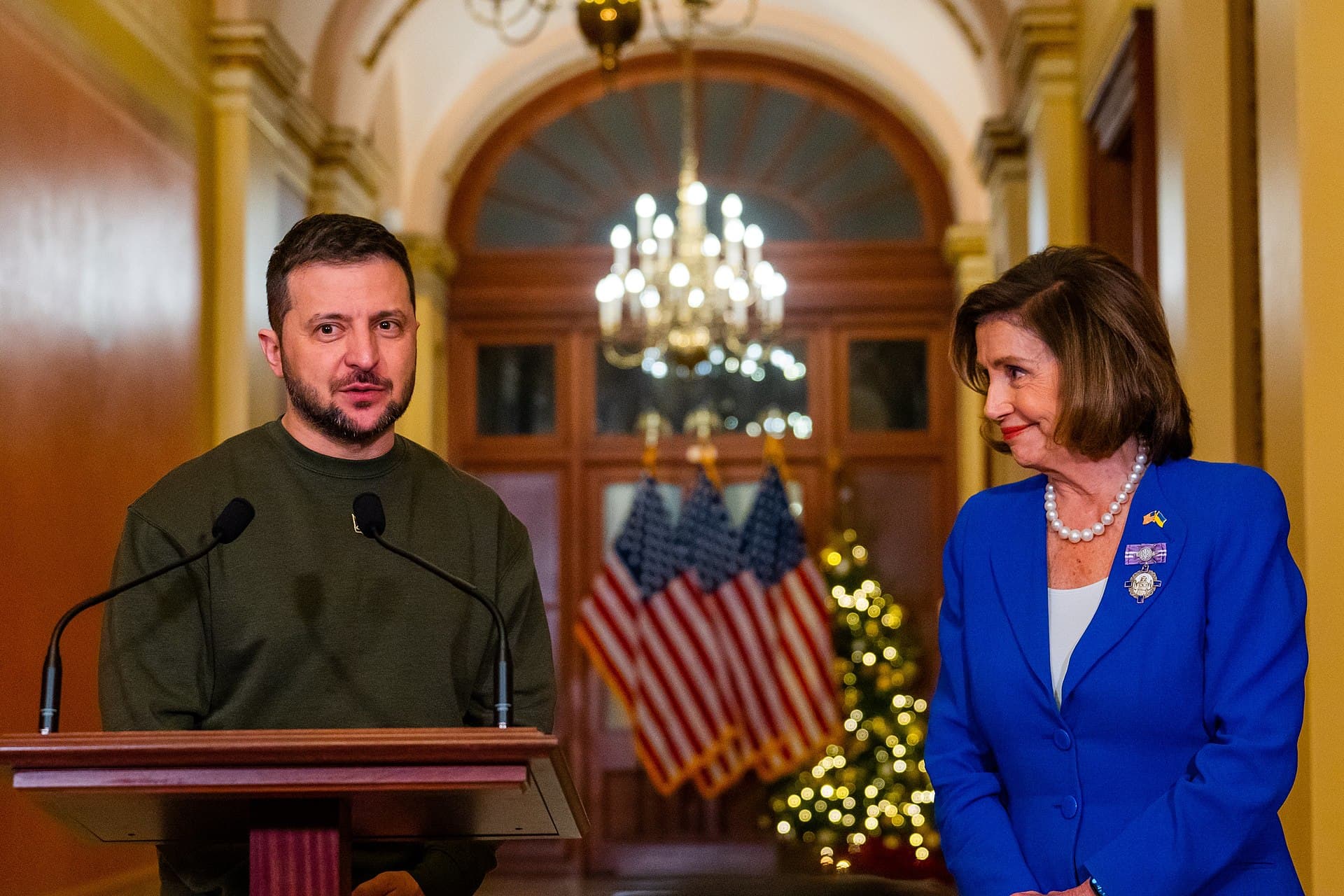
Four years on, the war that gave the line its force has settled into a grinding conflict of attrition. Drone warfare, long-range missile strikes, entrenched front lines, heavy casualties and economic strain have replaced the expectation of a quick Russian victory. Zelenskyy’s confirmation does more than settle a disputed quote. It shows how a sentence, once doubted and then repeated, can become part of a nation’s wartime memory before the facts around it are finally pinned down.
This article was produced by Prism’s automated news system from verified source data, official records, and press releases, then run through automated quality and moderation checks before publishing. The system is built and supervised by the people who set the standards it runs under. Read our full AI policy.
Did this article answer your question?