Zimbabwe bill could extend Mnangagwa’s rule to 2030
Zimbabwe moved a bill that could keep Emmerson Mnangagwa in office until 2030 by replacing direct presidential votes with a parliamentary contest.

Zimbabwe’s parliament took up a constitutional amendment that could push Emmerson Mnangagwa’s rule to 2030 and strip voters of the direct choice of president. The measure would replace the current popular vote with a parliamentary process, raising fresh alarm that the ruling party is using legal procedure to narrow electoral accountability while preserving the appearance of constitutional change.
The Constitutional Amendment No. 3 Bill of 2026 was approved by cabinet on February 10 and gazetted on February 16 after a 90-day consultation period. Under the proposal, members of the National Assembly and Senate would sit jointly to elect the president, with a run-off if no candidate won an absolute majority. The same bill would stretch presidential and parliamentary terms from five years to seven, a shift that would also delay elections due in 2028 and extend the timetable for lawmakers and local officials. The government says the reforms are meant to improve political stability, policy continuity and the completion of long-term development projects.
Justice Minister Ziyambi Ziyambi introduced the bill in the lower house, where ZANU-PF’s two-thirds majority gives the party a clear numerical advantage. The ruling party also dominates the Senate through traditional leaders and other aligned figures, leaving opponents with limited parliamentary leverage even as they argue the change is politically reckless. Ziyambi has said the bill would go to the speaker of parliament and be published in the official gazette before lawmakers consider it further, and he has indicated the legislative process could take about a month.
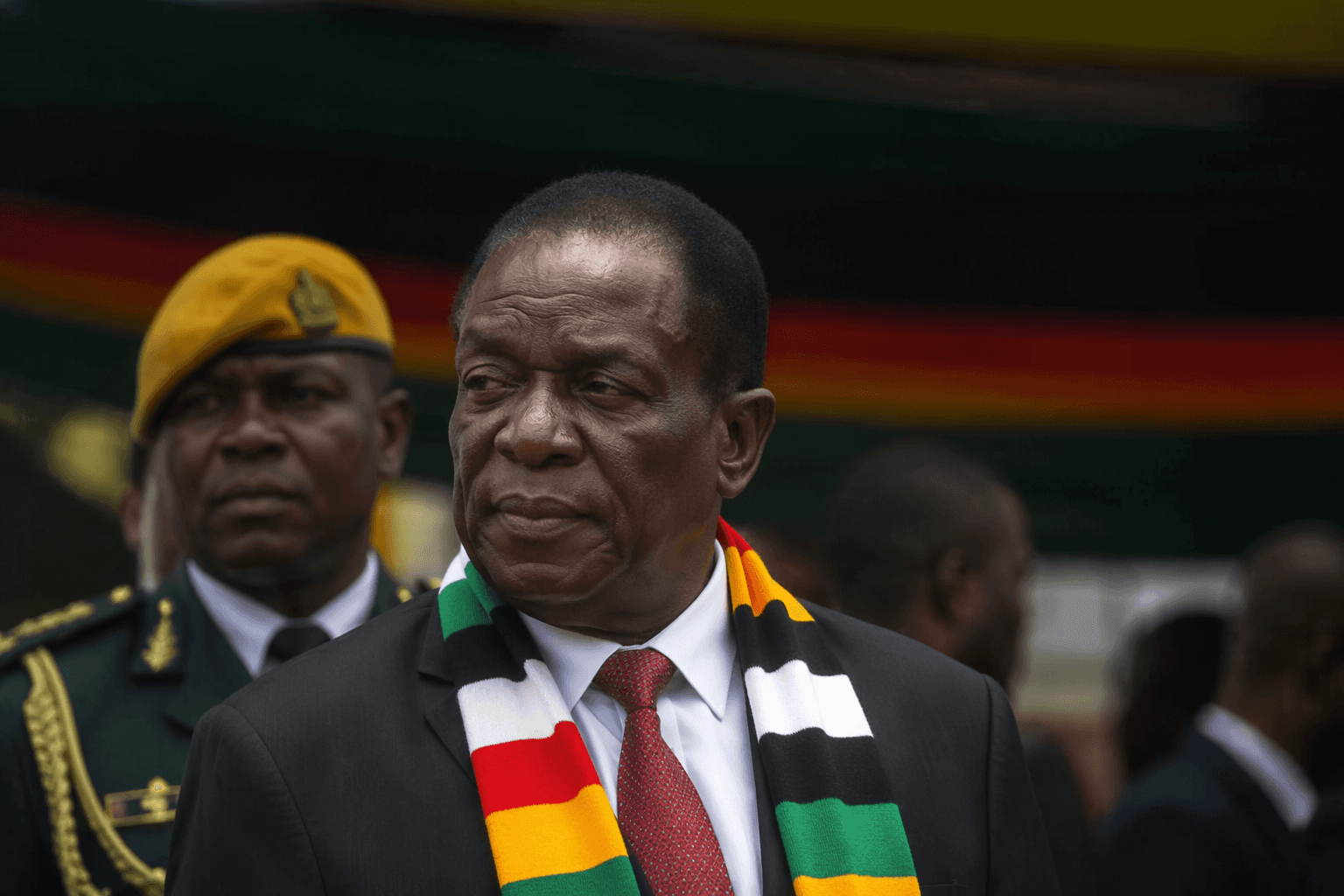
The public response has been unusually large. Parliament said it received more than 300,000 submissions during the 90-day consultation period, and public hearings were held between March 31 and April 2 across all 64 districts of Zimbabwe. Even so, the political pressure has not eased. Six liberation war veterans filed a Constitutional Court challenge on February 17, arguing that the proposal was unconstitutional and would unlawfully prolong Mnangagwa’s incumbency without a referendum. Their case, backed by constitutional law professor Lovemore Madhuku, remains before the court, which has reserved judgment.
Nick Mangwana, the government spokesman, dismissed the challenge as the view of only six individuals out of thousands of war veterans. Retired generals and former civil servants have also opposed the bill after meeting Mnangagwa last month. The fight over Amendment No. 3 is now more than a dispute over term lengths. It is a test of whether Zimbabwe’s institutions can still restrain a ruling party that has governed since 1980, first under Robert Mugabe and then under Mnangagwa, who came to power after the 2017 coup that removed Mugabe.
This article was produced by Prism’s automated news system from verified source data, official records, and press releases, then run through automated quality and moderation checks before publishing. The system is built and supervised by the people who set the standards it runs under. Read our full AI policy.
Did this article answer your question?