Zubayr Al‑Bakoush taken into U.S. custody for Benghazi attack
U.S. DOJ says Zubayr Al‑Bakoush, linked to the 2012 Benghazi attacks, was taken into custody and will face prosecution.

The U.S. Department of Justice announces that Zubayr Al‑Bakoush, described by officials as a key participant in the September 11, 2012 attack on the U.S. diplomatic mission in Benghazi, Libya, has been taken into U.S. custody and will be prosecuted on charges including murder and related offenses connected to the assault.
The announcement marks a significant development in a long-running effort to hold accountable those responsible for the assault that killed four Americans, including the U.S. ambassador to Libya. The department says the charges it will pursue reflect jurisdictional authority to prosecute lethal attacks on U.S. personnel overseas. It did not release immediate details about where or how Al‑Bakoush was captured, or the precise timing of his transfer into U.S. custody.
Prosecutors now face a complex litigation task. The passage of more than a decade since the attack raises evidentiary and logistical hurdles: preservation of crime-scene material, locating witnesses amid Libya’s fractured security environment, and resolving issues involving classified intelligence that often arises in terrorism-related prosecutions. Defense counsel in such cases typically contest jurisdictional claims, contest chain-of-custody records, and press for disclosure of government intelligence subject to protective procedures. Those procedural fights can determine whether and how sensitive material is used at trial.
The case also spotlights the persistent legal reach of U.S. criminal statutes designed to prosecute extraterritorial acts of violence against Americans. Bringing a suspect from a foreign theater into U.S. courts requires cooperation from foreign partners, intelligence agencies and, where relevant, diplomatic negotiation. Libya’s decades-long instability since 2011 has complicated such cooperation and has been a recurring theme in efforts to investigate the Benghazi incident.
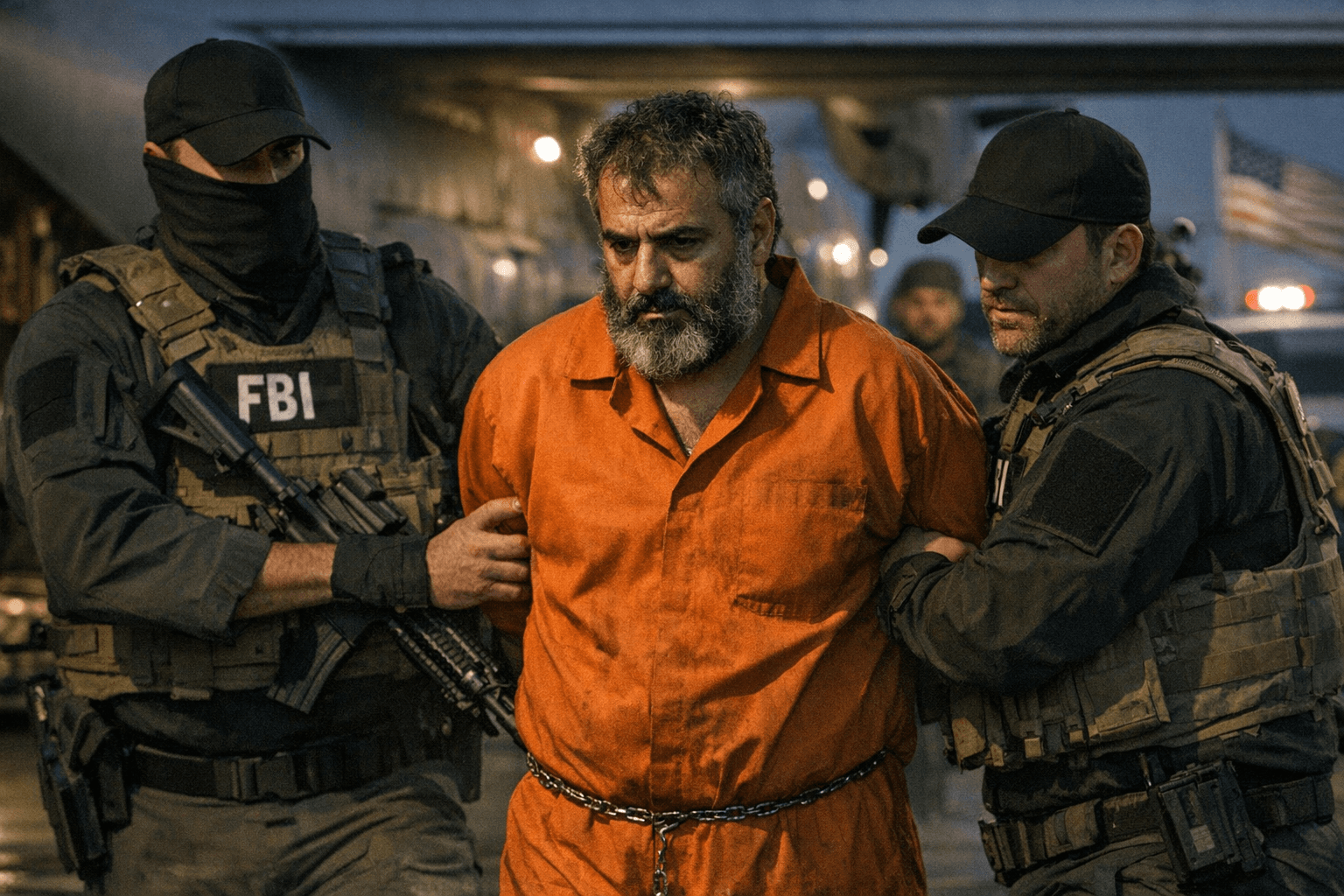
For families of the victims and for public officials who have long pressed for accountability, prosecutors’ announcement is likely to reopen familiar fault lines. The Benghazi attacks became a focal point of partisan debate in the United States over diplomatic security, intelligence assessments and executive branch oversight. Legal proceedings will test whether criminal courts can deliver a measure of closure by applying standards of proof and procedural safeguards distinct from political inquiry.
Institutionally, the case underscores the Department of Justice’s continued commitment to pursuing transnational violent crimes against Americans, even when the alleged acts occurred many years earlier and in chaotic settings. Successful prosecution would reinforce prosecutorial tools available for counterterrorism, while failure or protracted litigation could prompt reassessment of investigative priorities and bilateral mechanisms for evidence sharing.
Officials have not announced an arraignment date, the location of initial proceedings, or whether additional suspects remain under investigation. As the case moves forward, the balance between transparency for victims’ families and the protection of intelligence sources and methods will be a central concern for the courts and for congressional overseers monitoring how such high-profile terrorism cases are handled by the Justice Department.
This article was produced by Prism’s automated news system from verified source data, official records, and press releases, then run through automated quality and moderation checks before publishing. The system is built and supervised by the people who set the standards it runs under. Read our full AI policy.
Did this article answer your question?

